Ah yes. The brain. The beautiful—our beautiful—brain.
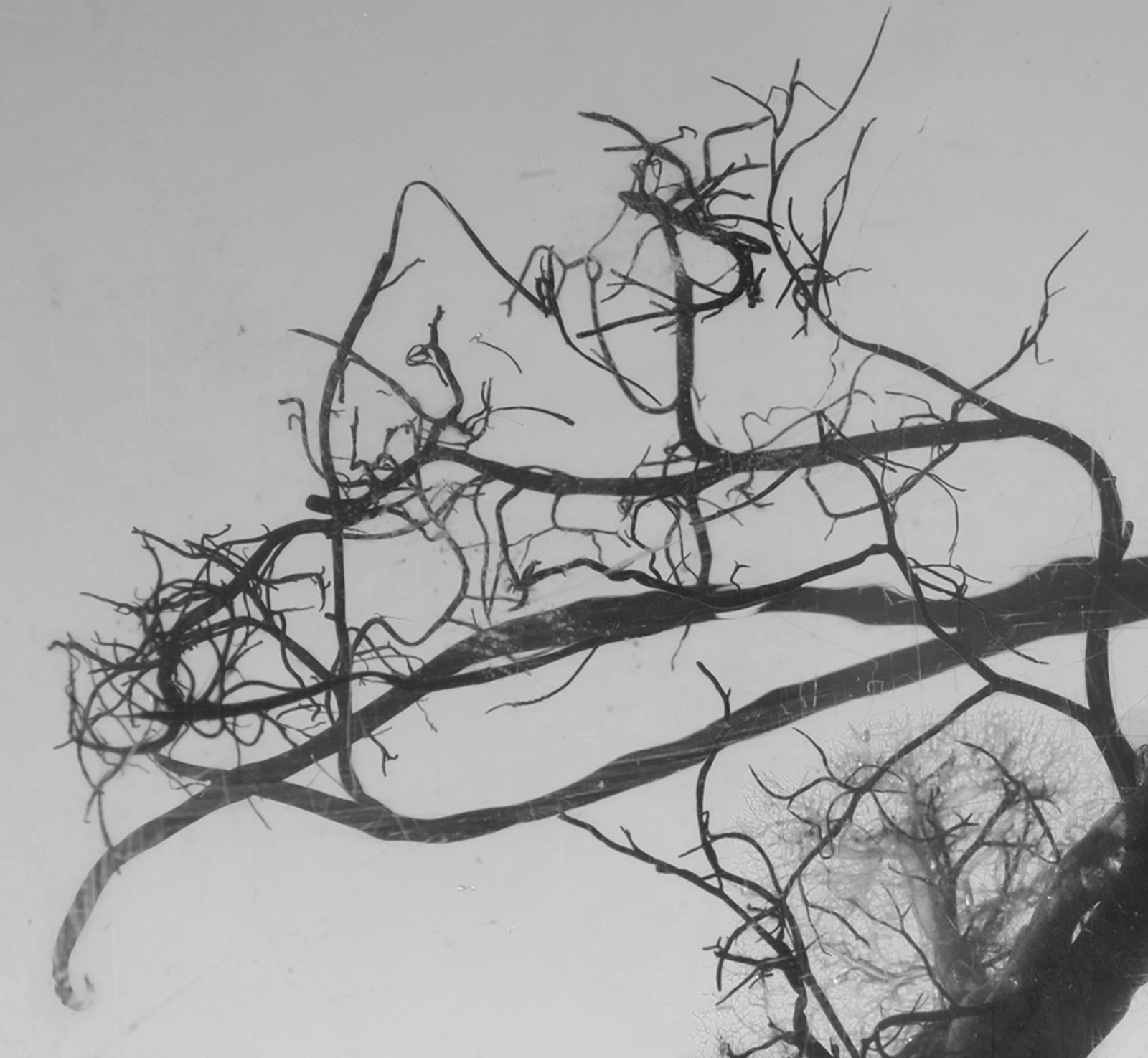
A brain made up of synapses of connectedness that help us to define what it is true, what is false, what of the reality around us should be stored in our memory, what of the reality around us is worthy of manipulation. We seek out truth in every direction, in desperation. As if starved of information, we continuously push the boundaries of what we see with our eyes, hear with our ears, taste with our tongue. We strive each day, even if unconsciously, to understand the world through inputs, inputs that arrive through senses we didn’t even know we had. And with every passing day we enhance our power for sensory discrimination, we find new filters for the lens with which we frame the world to our likeness.
But it is ironic. For as much as we humans cannot help but deconstruct, unwrap all that we touch, like the layers of a red onion, and then slice and dice until our eyes burn so hot we can see no more and wet with tears must lay down our knife, it is not deconstruction itself that we pursue. Deconstruction is simply the first part of the process of building up. Of connecting, of piecing together all that is fragmented. Humanity is driven, more than anything else, by a want for wholeness.
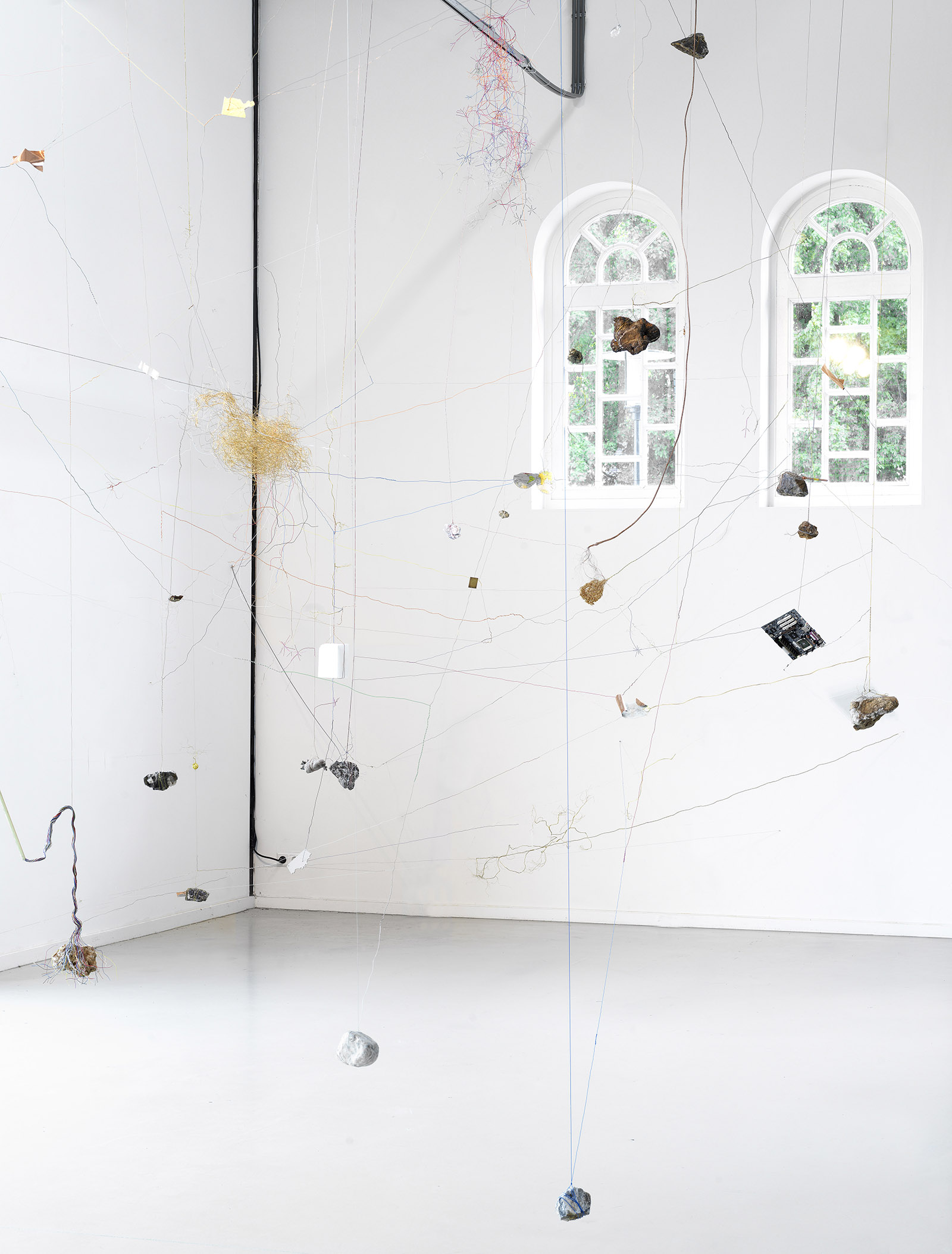
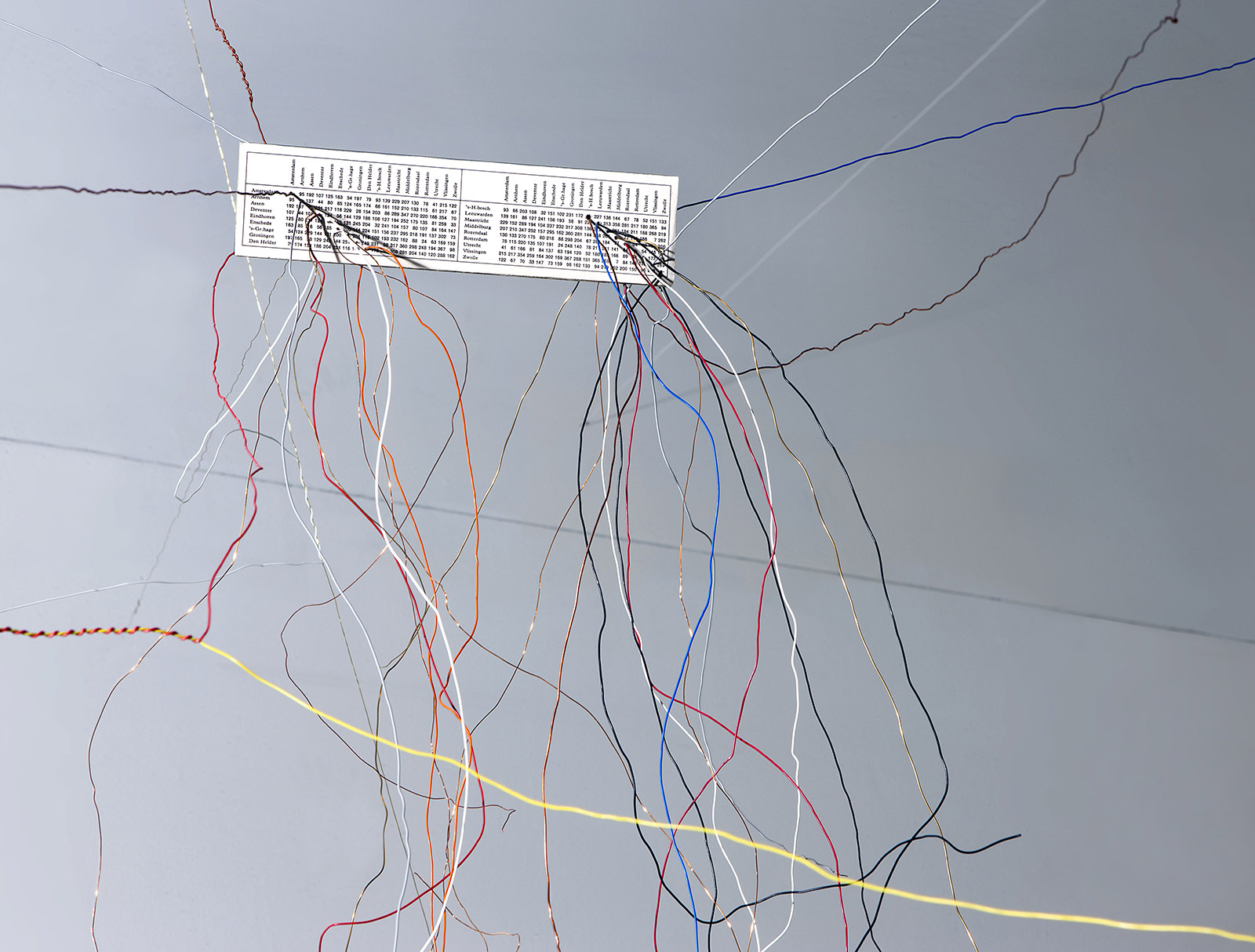
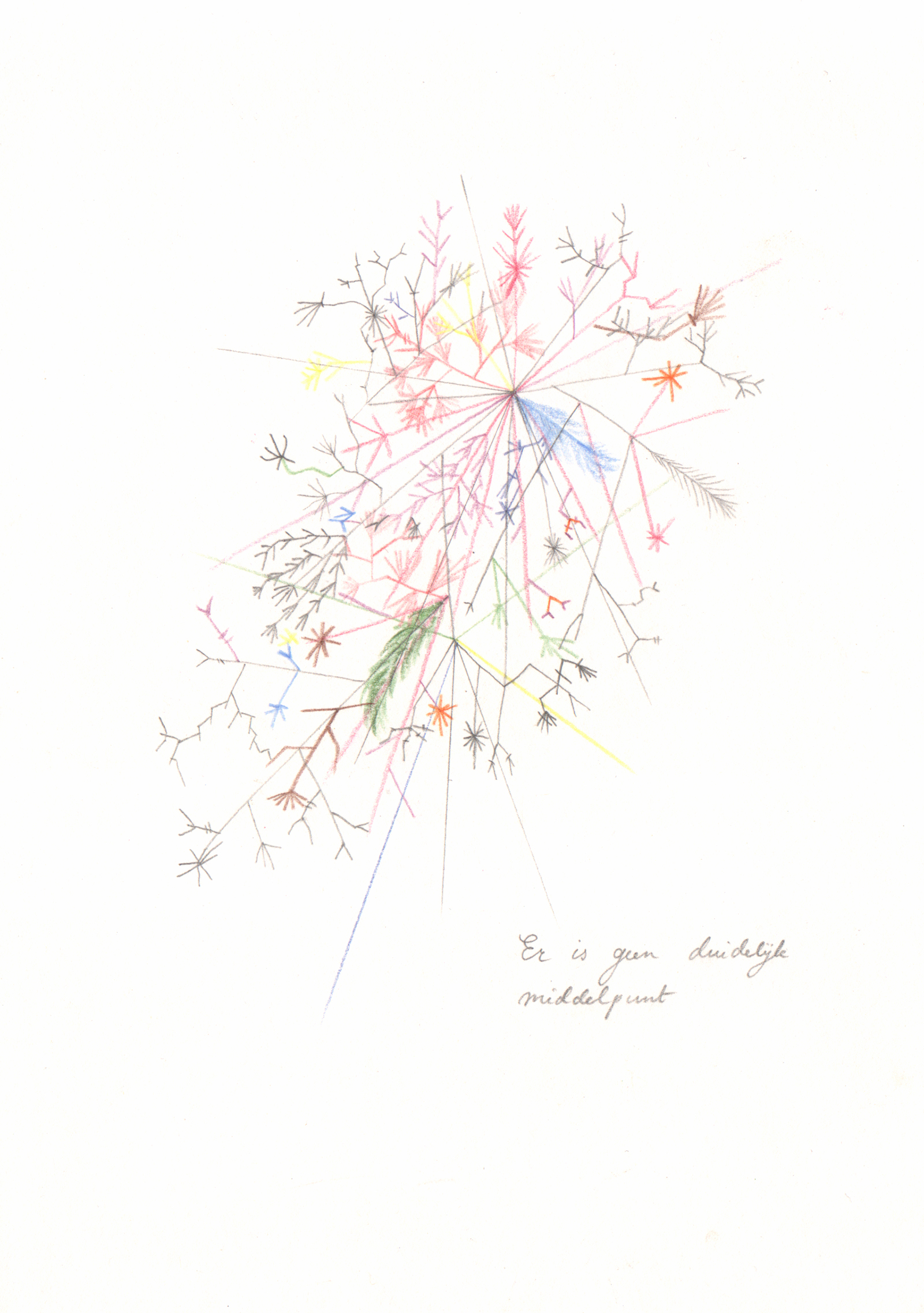
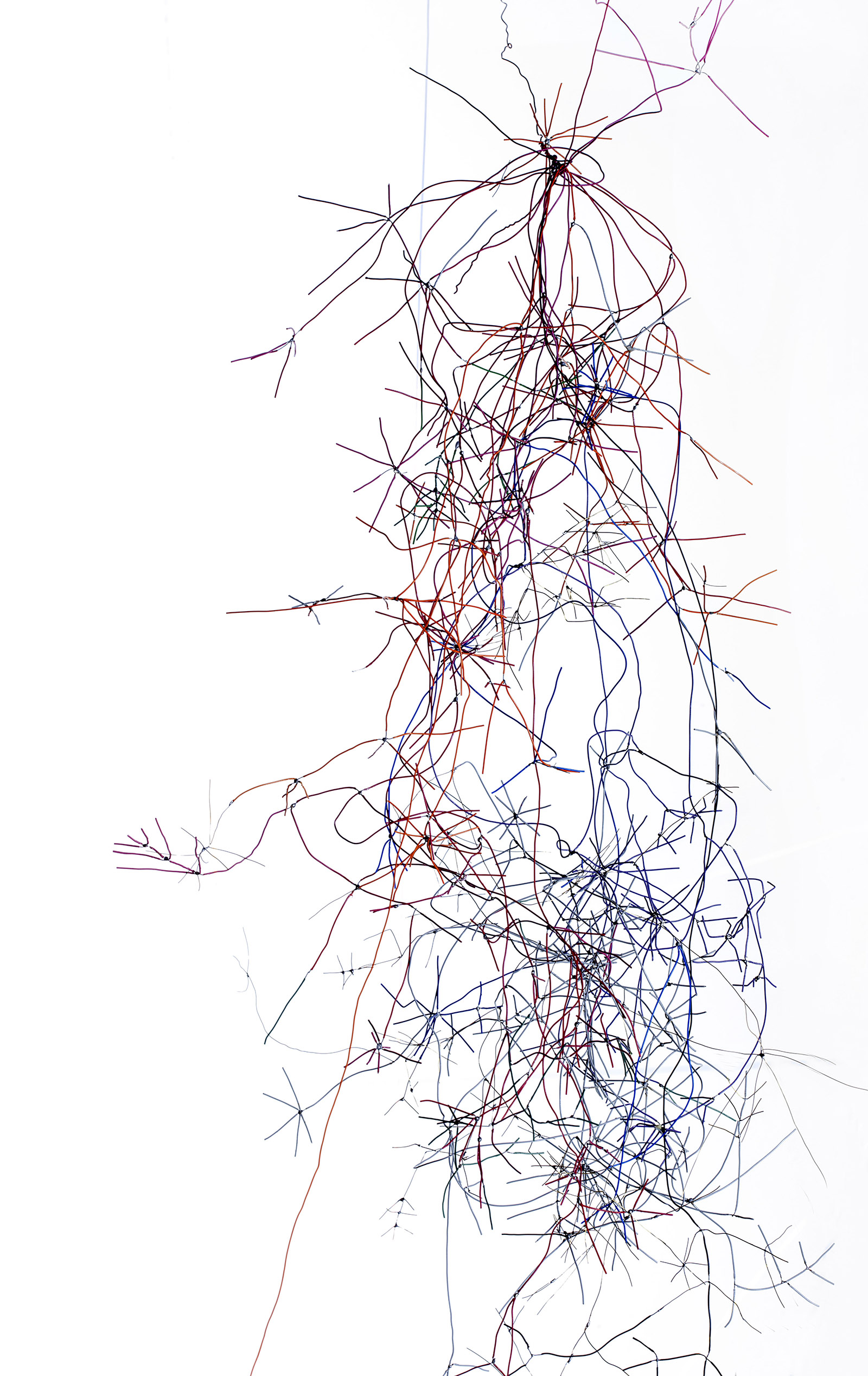
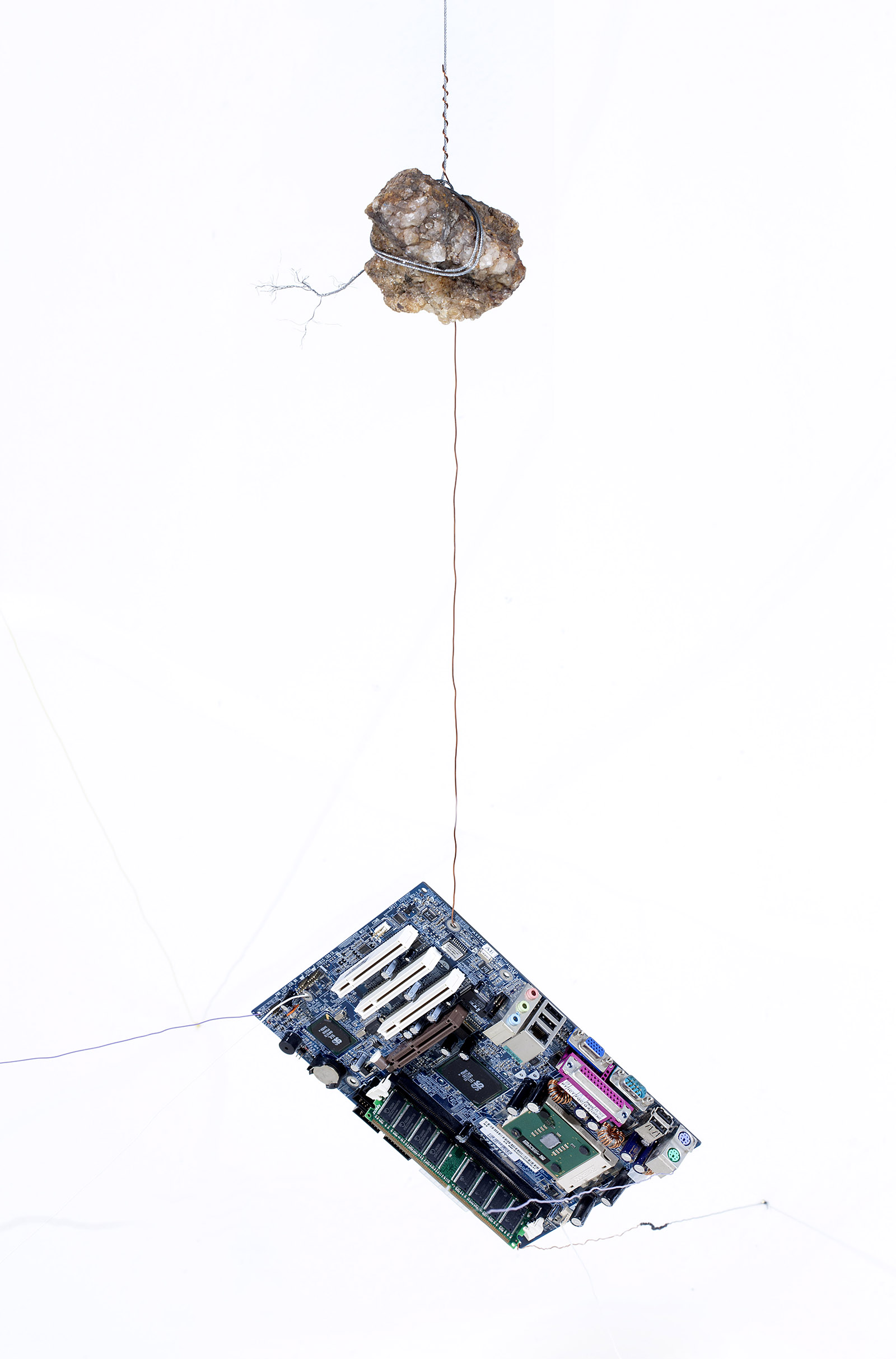
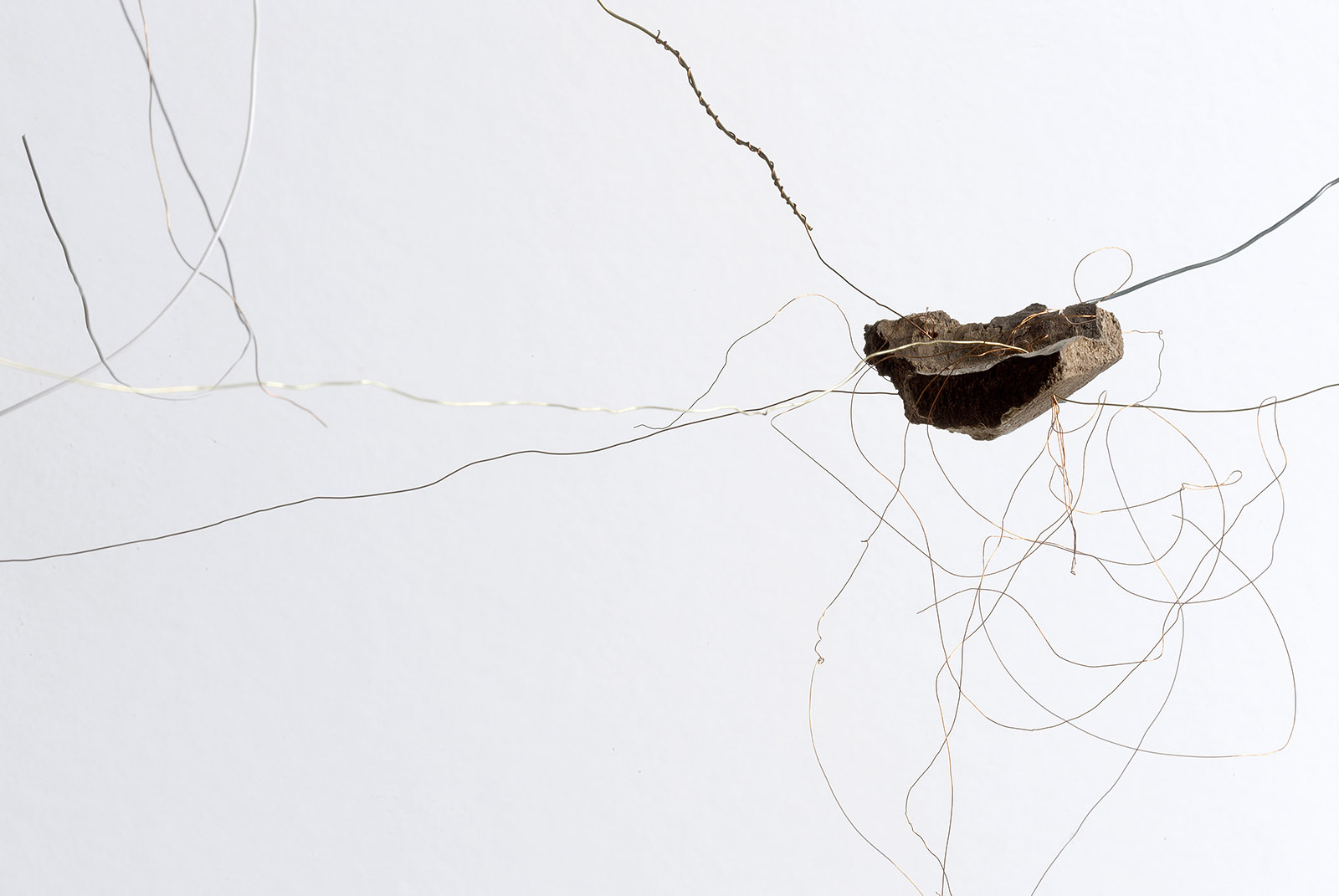
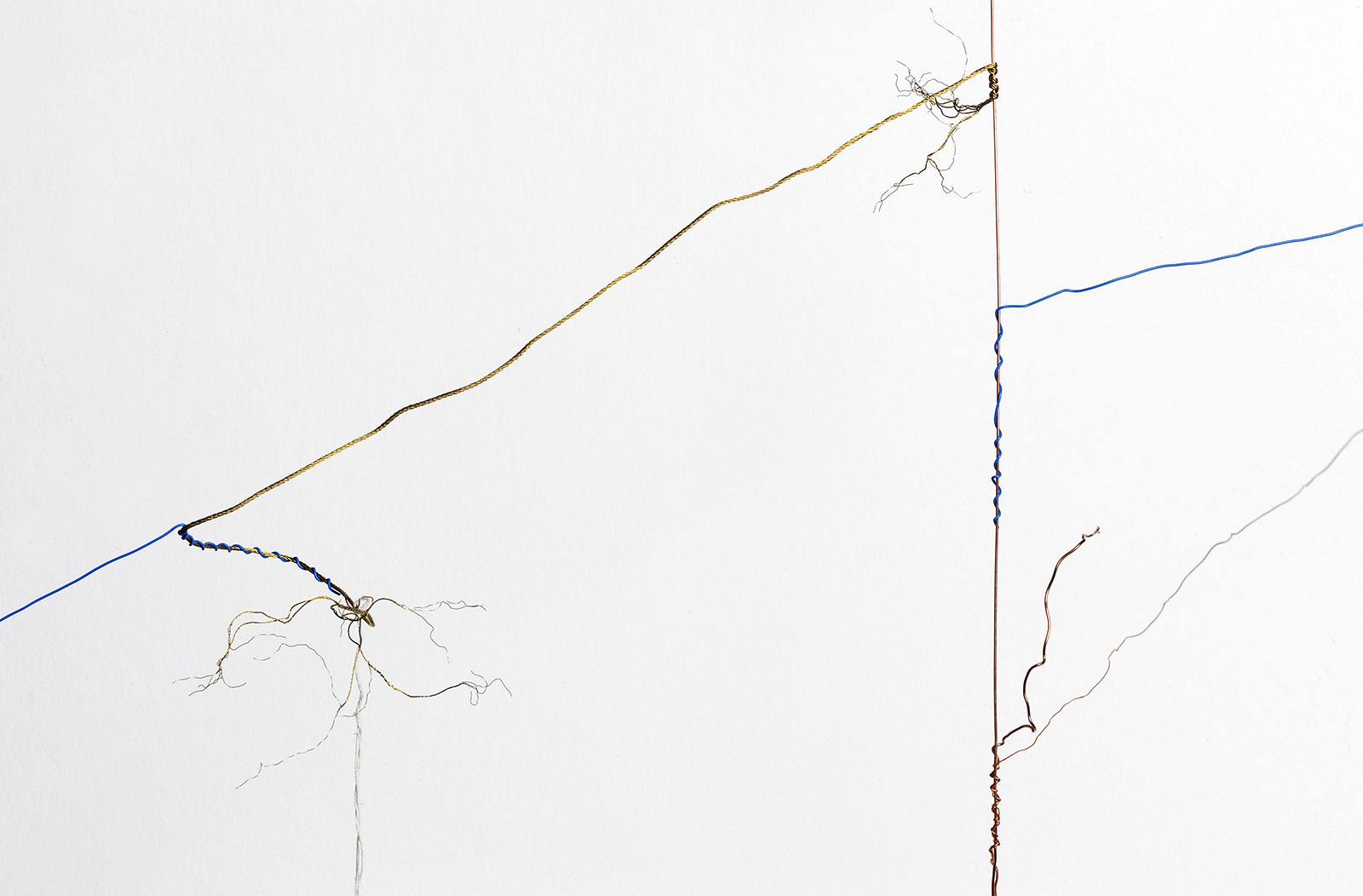
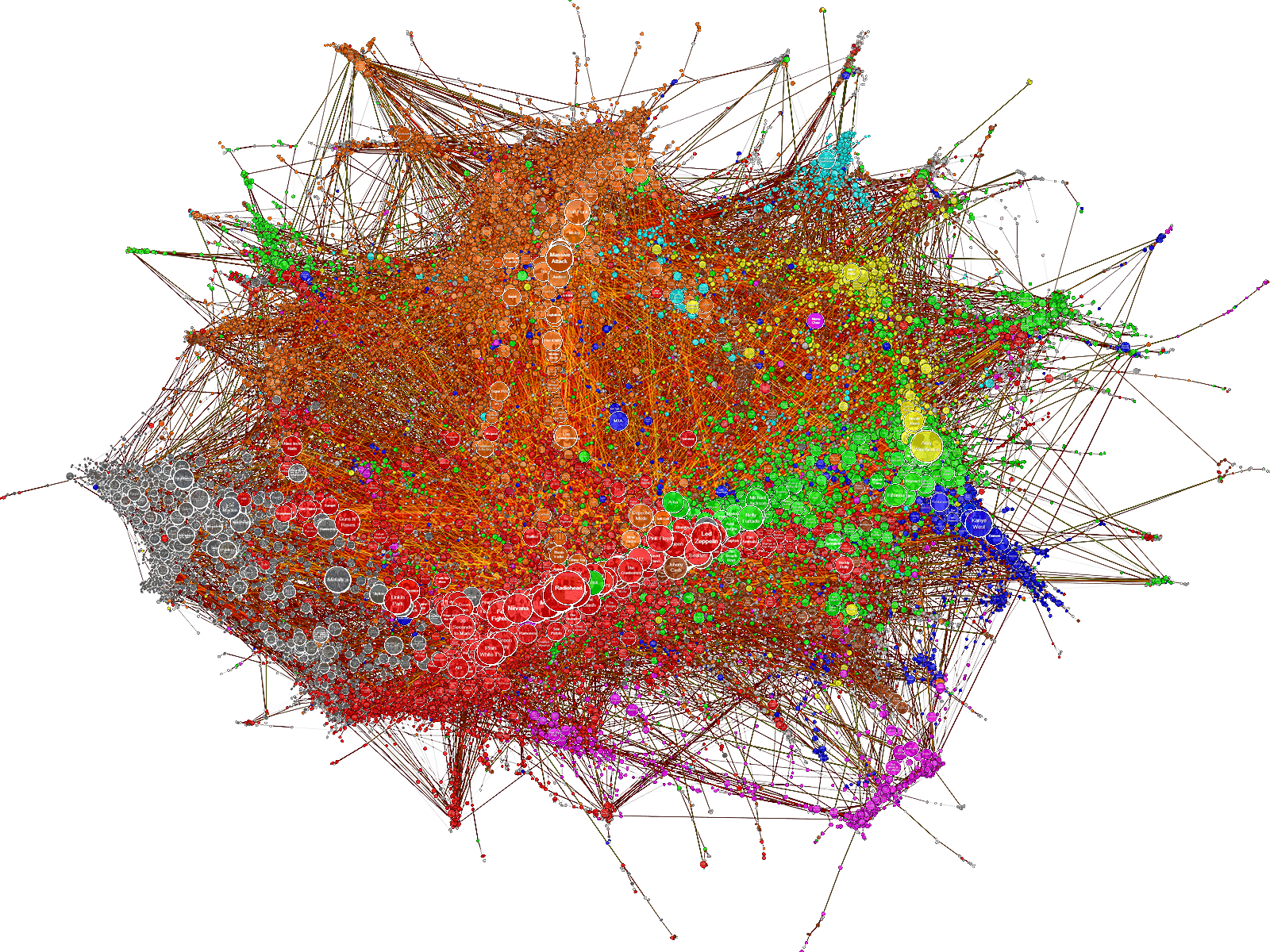
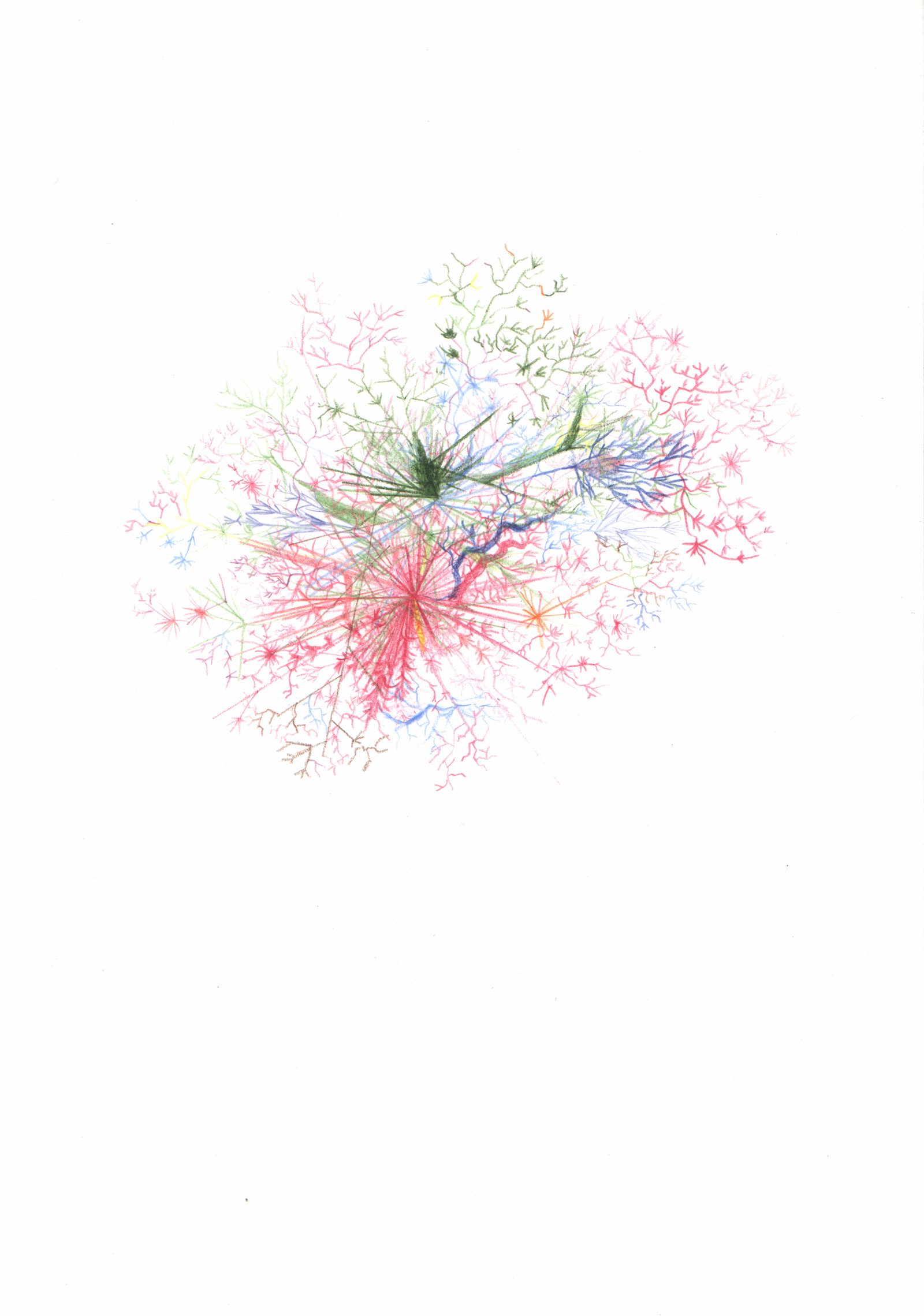
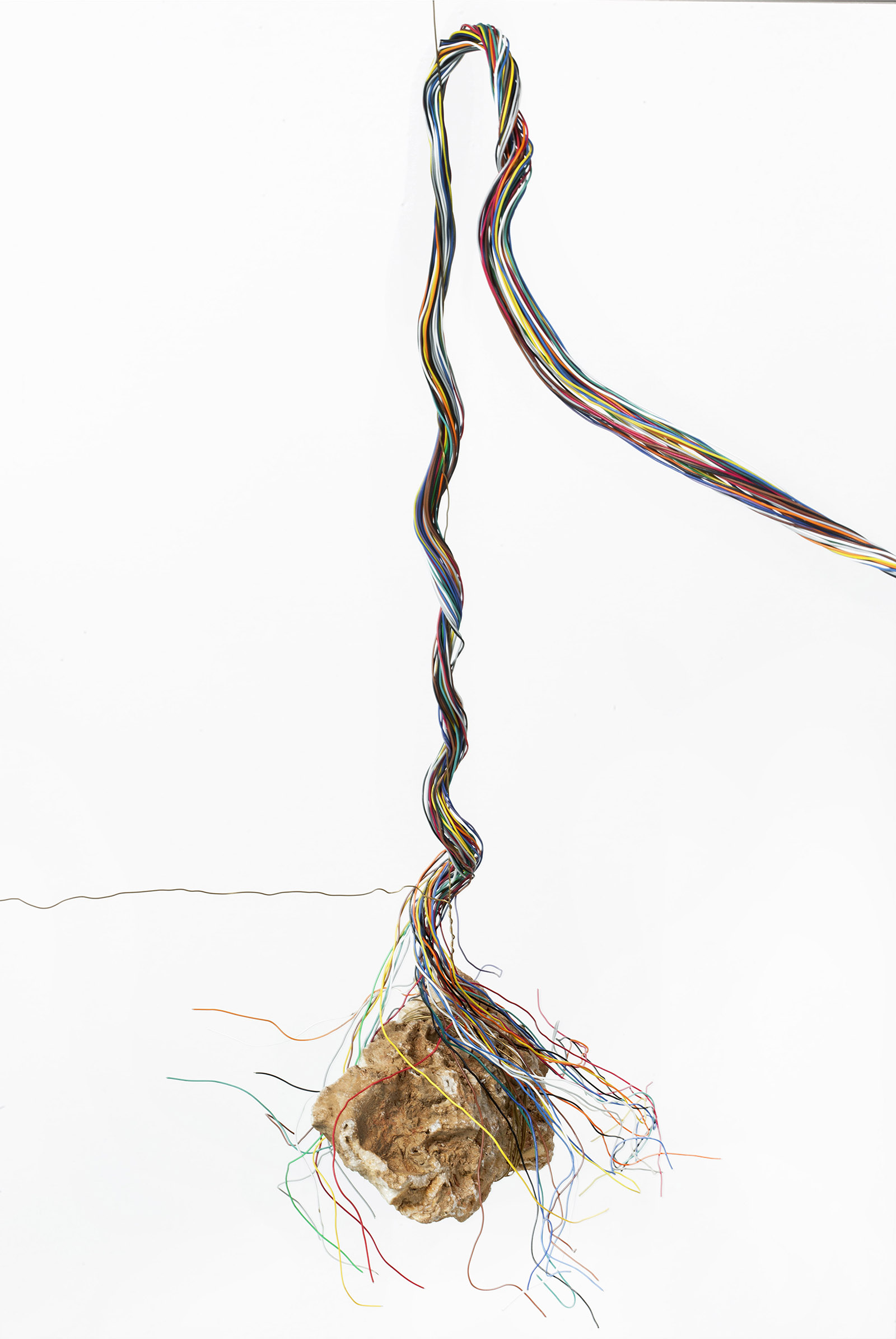
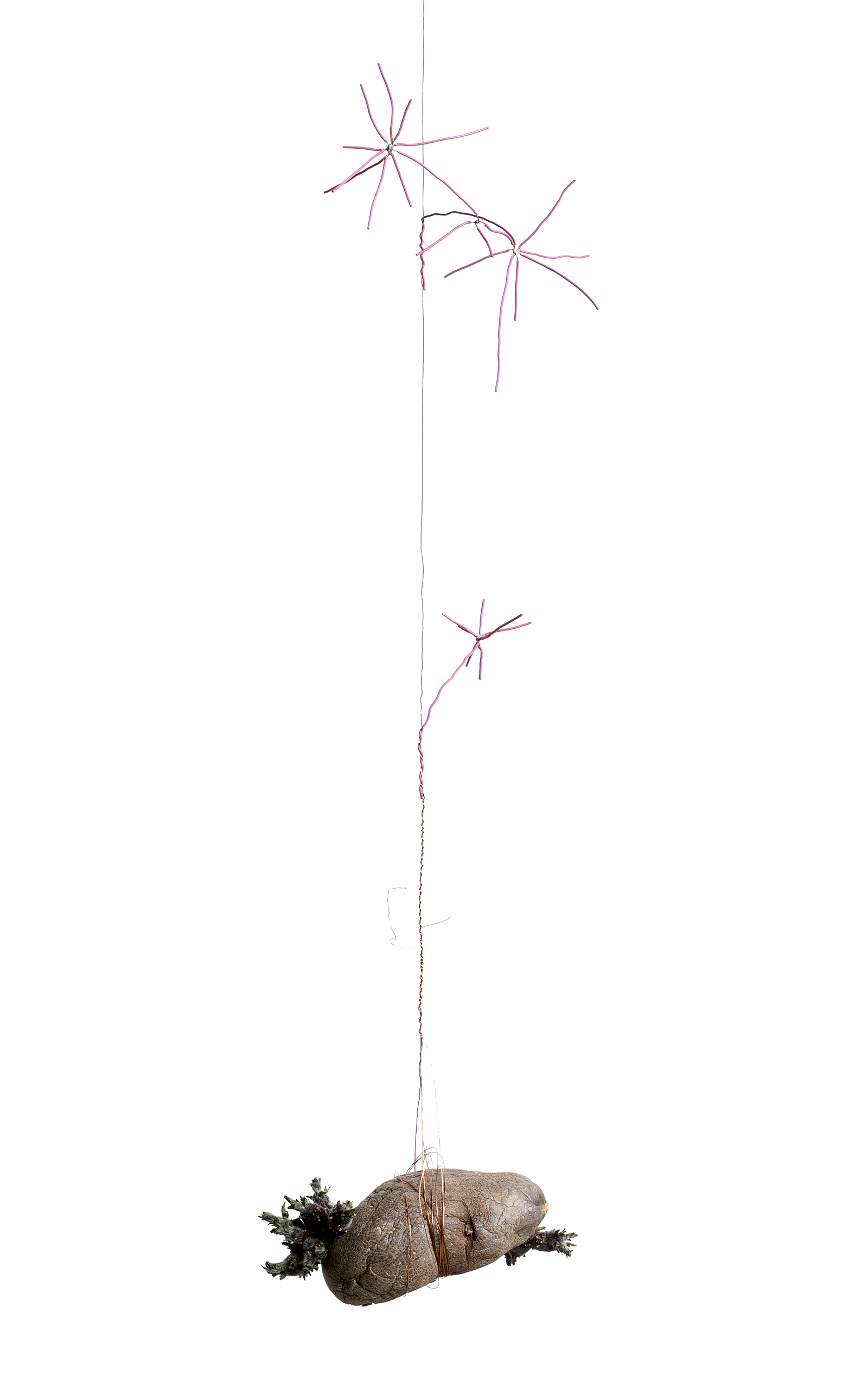
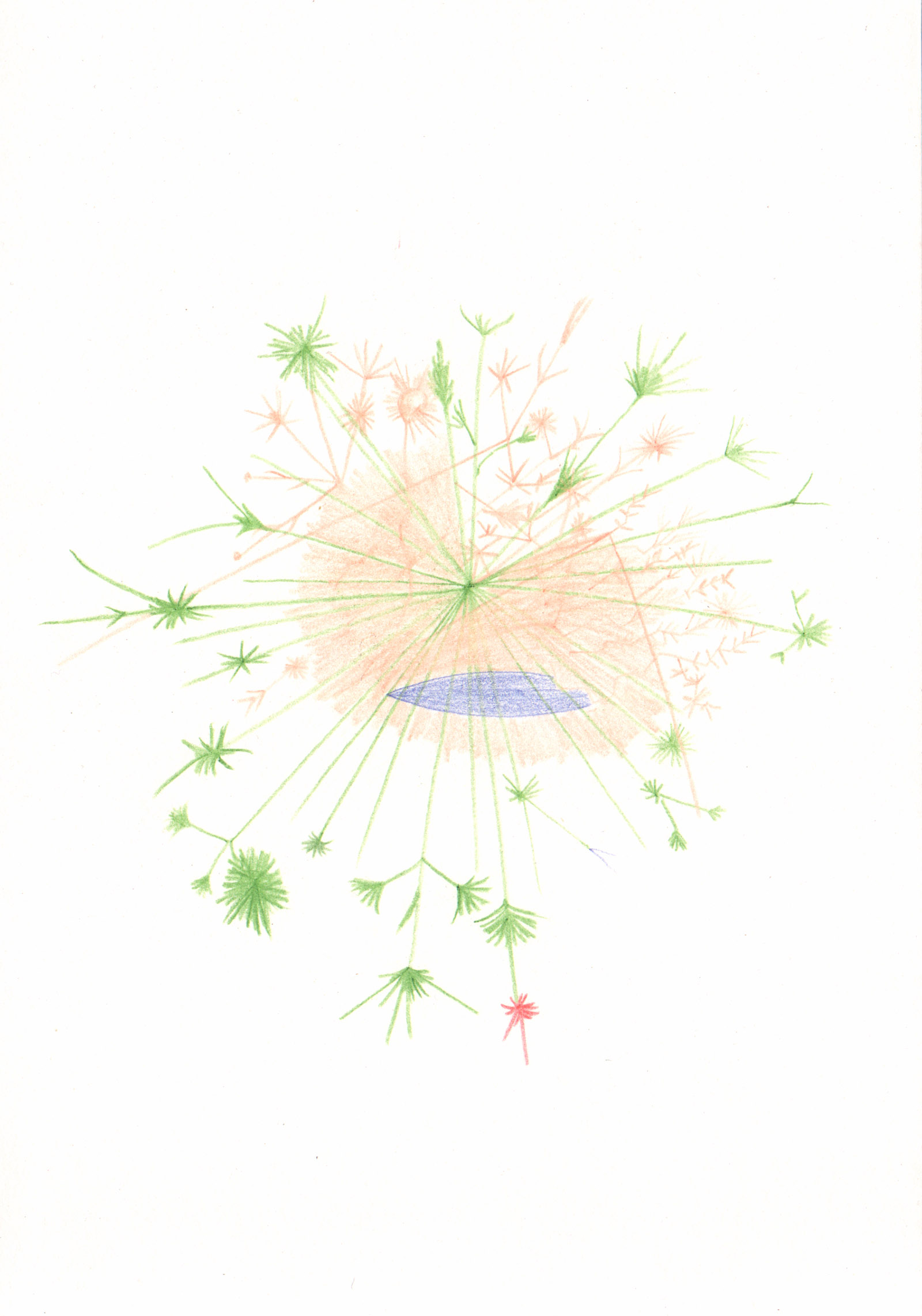
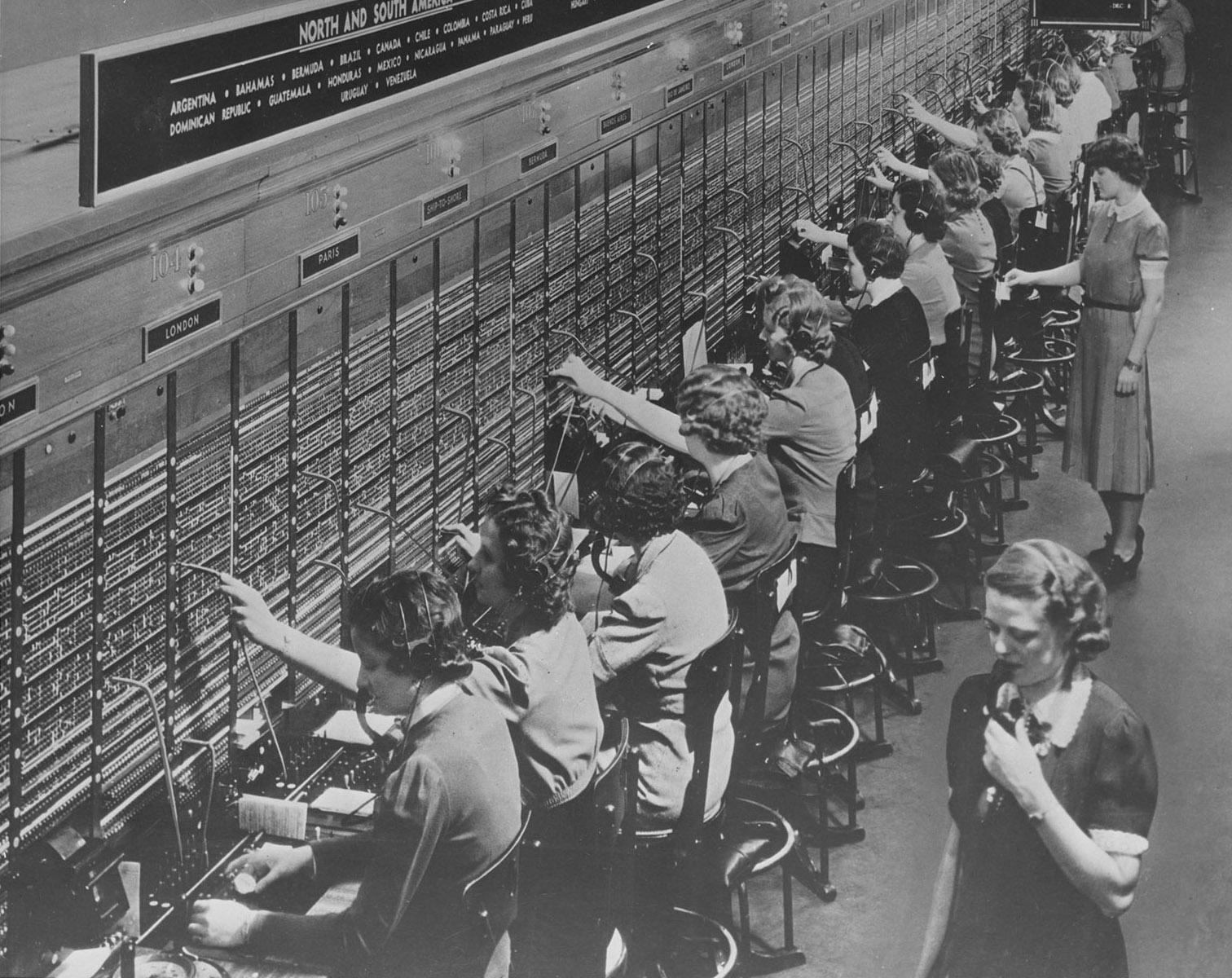
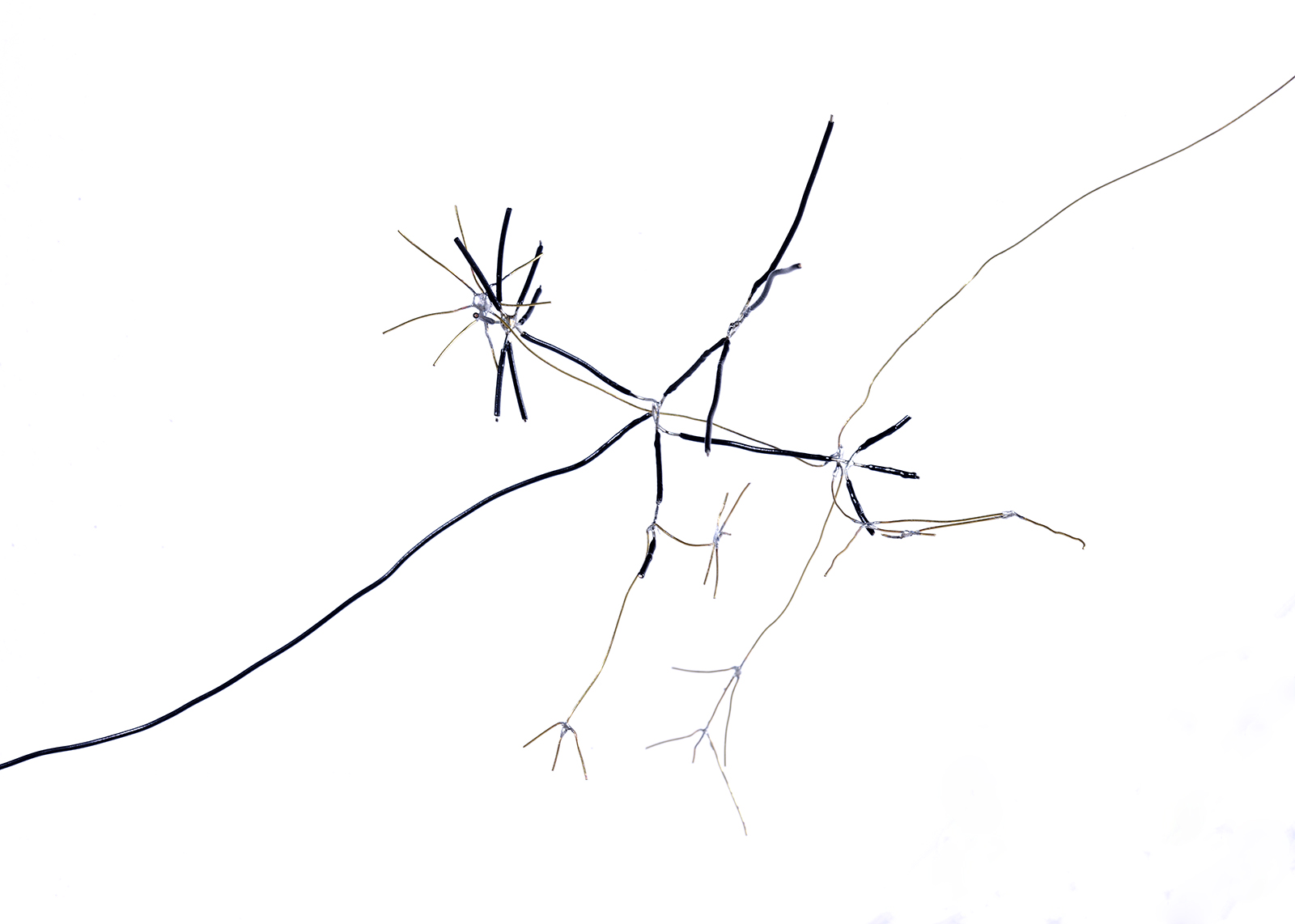
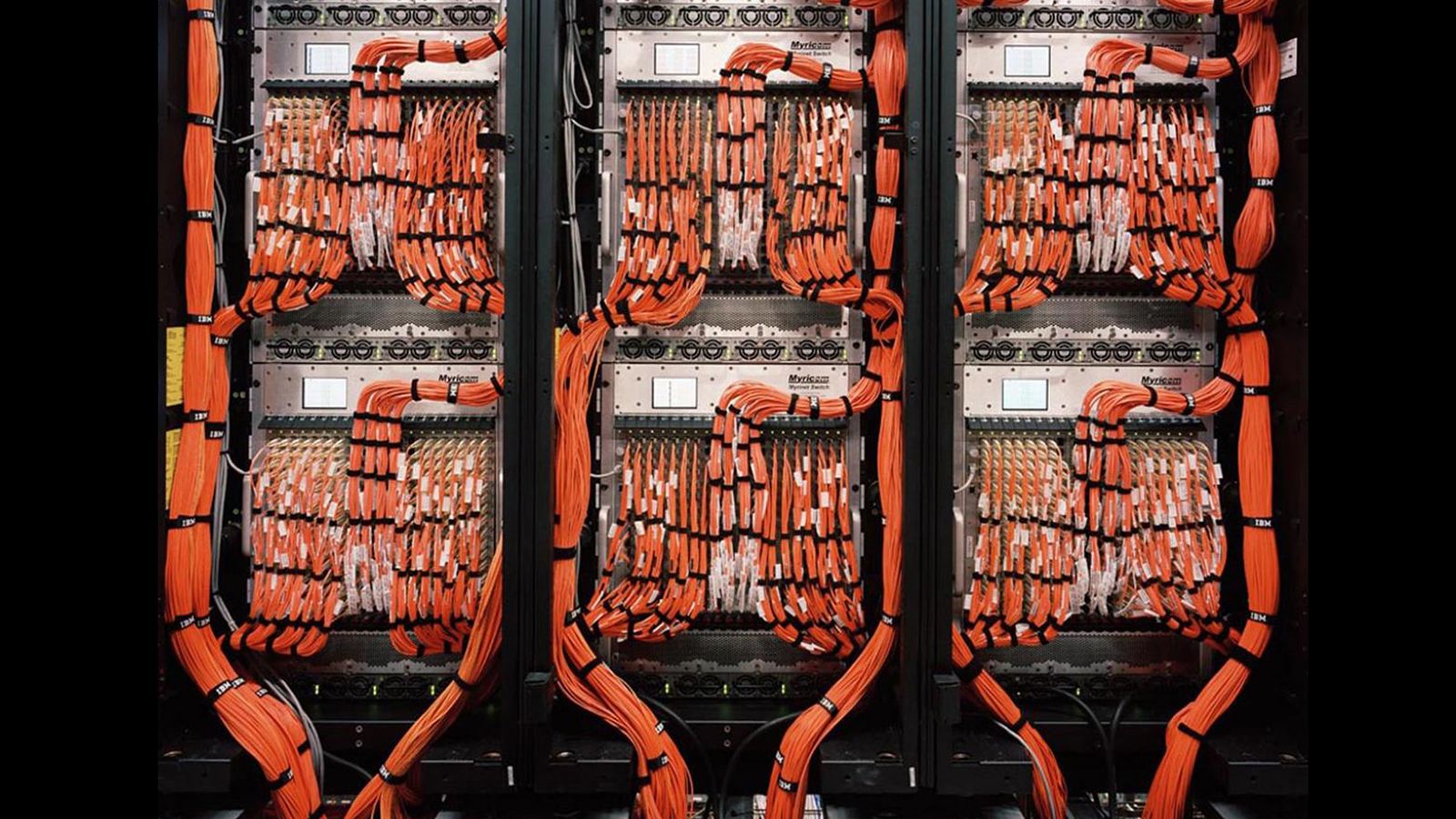
We fragment all that we understand implicitly because we are afraid. Afraid of what we cannot prove, afraid to commit confidently to what we feel but can’t easily articulate. And to combat these fears, we prove our explicit knowledge of things. Of things and of objects, tiny piece-meal representations of a universal reality we all share but which – as individuals – we want to claim as separate, as unique, as un-whole. We claim rights over moments of time and space. Take snapshots of life and with a click, click, click believe that the moment before us is ours for the taking, ours for the storing. Much as our society drives us to claim rights to property, we claim rights to our snapshot perceptions and we archive them as objects deep within the contours of our brain. We place fragmented bits of information into localized circuit boards and rely on dendritic absorption to bind this information to the surface of our mind. Just as we claim rights over our perceptions, our values, our ideals, we convert faith into religion, belief into ideology and worship the individual (in all its idolatry) over the communal, over the whole. Over that which is harder to comprehend using our linear human skill-set for it exists in a beautiful non-linear, chaotic form. And when we search our brains to retrieve those objects we think we own—when we pull from our database of fragmented understanding—we often do so solely for utilitarian purpose. To further our self-interest in accordance with the utilitarian values that permeate our modern society. And that is why we often stand confused. For as much as we know, it is only part of a whole.
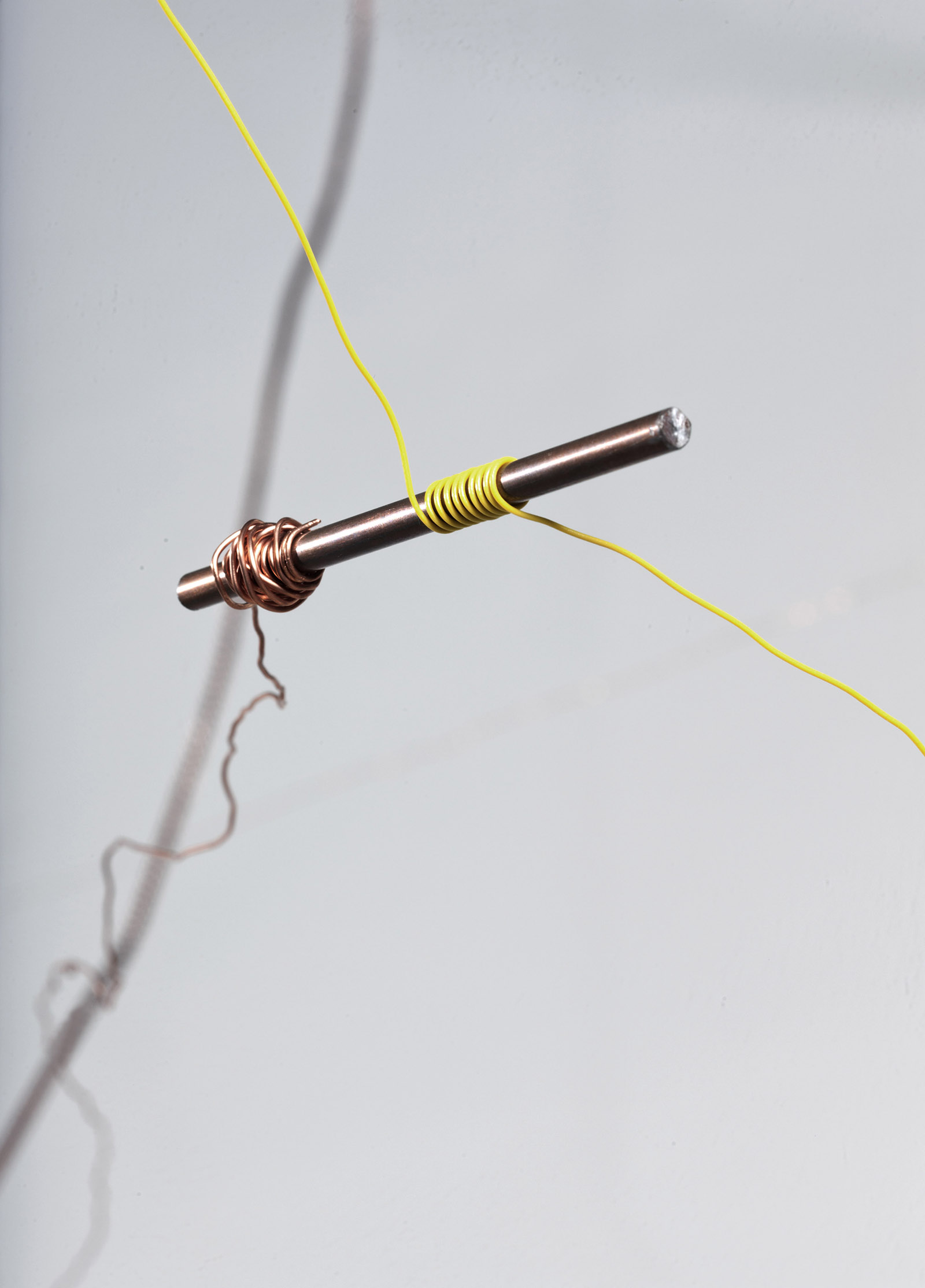
It is in the fragmentation of the whole where our perception is most subjective. So when we strive for objectivity through fragmentation we fail and fail again. Like a child who takes apart a radio for the first time, eager to understand what allows for its extraordinary functioning, we dismantle each part of the whole little by little. Finally the child sits surrounded by an access panel, a chassis, a number of control knobs and screws. She holds each part in her hand and studies them with curiosity. The feel of the screw grows in its importance, it becomes clear that without the screw the radio can never be put back together. But subjective value is placed upon the screw. The more she holds it in her hand, the greater value the screw will carry. Should too much time go by, however, should the pieces of the radio lay spread upon on the floor for too long, the child may forget that the screw was once part of a unified entity, that the radio in its original form was a dynamic holomonic system.
Like the radio, consciousness is also a dynamic holomonic system, except that the radio is a human construction. Consciousness on the other hand is a construction of the mind. But which mind? One mind? Or all minds? What does it mean to share consciousness? In its fragmented form we as individuals can attempt to walk, to act, consciously. This is, of course, a subjective experience. But what of universal consciousness? Does universal consciousness exist? Are we of one mind, but presently flailing in our desperate attempt to fit the pieces of our deconstructed understanding of ourselves and our place in society within one dynamic conscious whole?
It is but a mystery—a beautiful mystery—of mind, body and spirit. One which we carry upon our shoulders like a wonderbox.
NICOLE BARBERY BLEYLEBEN
Dr Nicole Barbery Bleyleben (aka ‘girlwithoutawatch’) is a Madrid-based philosopher and social scientist, dedicated to creative approaches to education and community development. She believes that every school should be an art school. Her background, which began in the field of dance, evolved into the field of economics, social policy and philosophy. She obtained her PhD from the London School of Economics as Fulbright Scholar in 2012 and has since worked as an advisor to a number of NGOs, charities and social enterprises. She is also a writer and lecturer and invests in social impact projects through her Investment Fund, Inspiration Incubator.