Doina Kraal
File under: news

Current

Makersgeheimen
Textielmuseum Tilburg, NL
8 June 2024 to 31 May 2026

Missen als een ronde vorm – De kunst van het doorleven
Stedelijk Museum Schiedam, NL
27 September 2025 to 1 March 2026

Tarot des Forains et du Cirque
In collaboration with Roger Cremers & Kurt Vanhoutte
UMC kunstzaken locatie AMC
Meibergdreef 9, Amsterdam
 

Upcoming

Le Sacre du Printemps
Peter Vos and Doina Kraal & Roger Cremers
Heejsteck#, Blauwe-Vogelweg 23, Utrecht
Opening November 21, 2025 from 17:00-21:00


Survival of the faintest

2009 & 2023
Emporium of Obsolete Things - a collaboration with Roger Cremers 
CBK Dordrecht & Amsterdam

Doina Kraal
File under: text
Information with installation

Survival of the Faintest

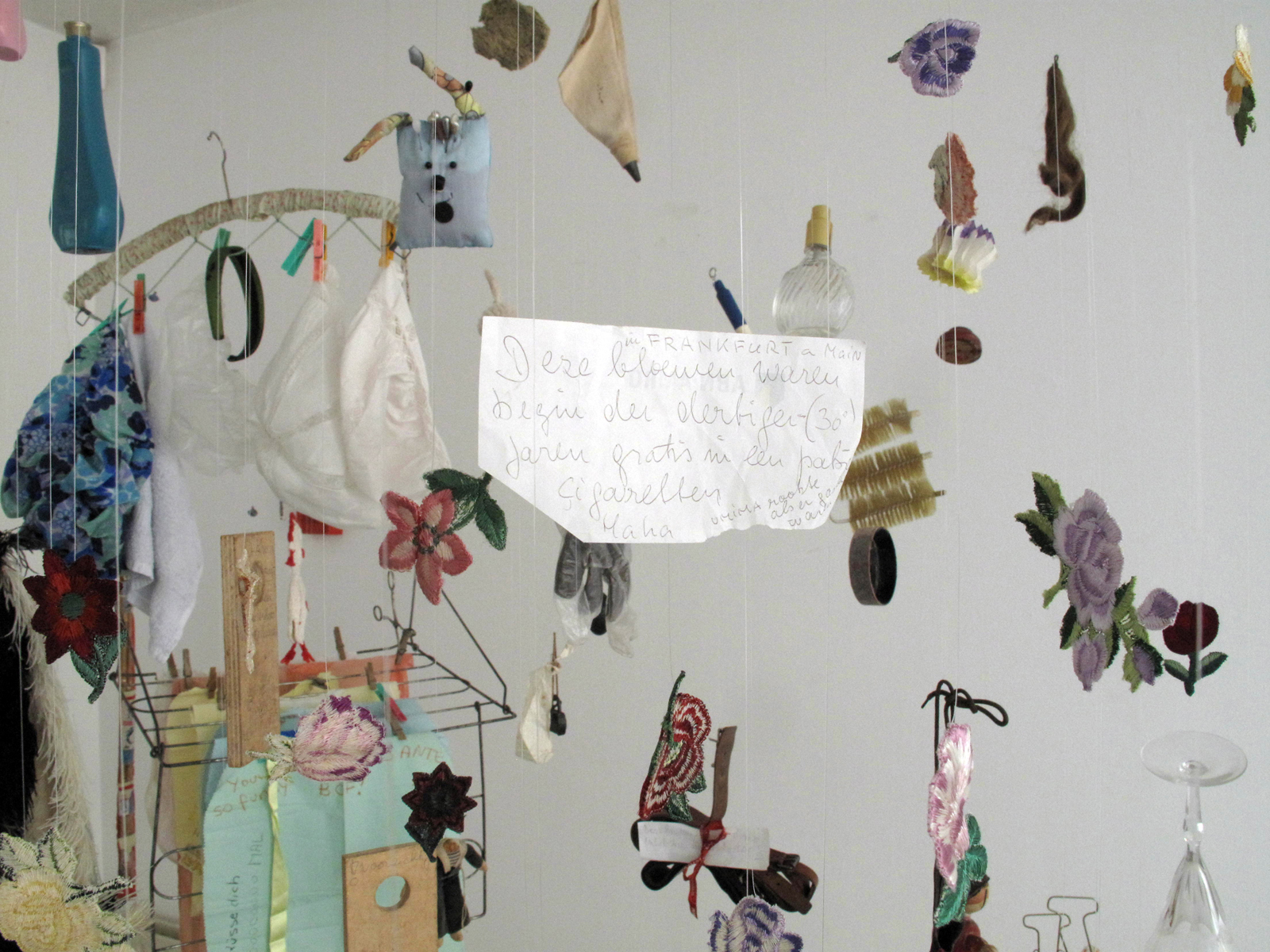
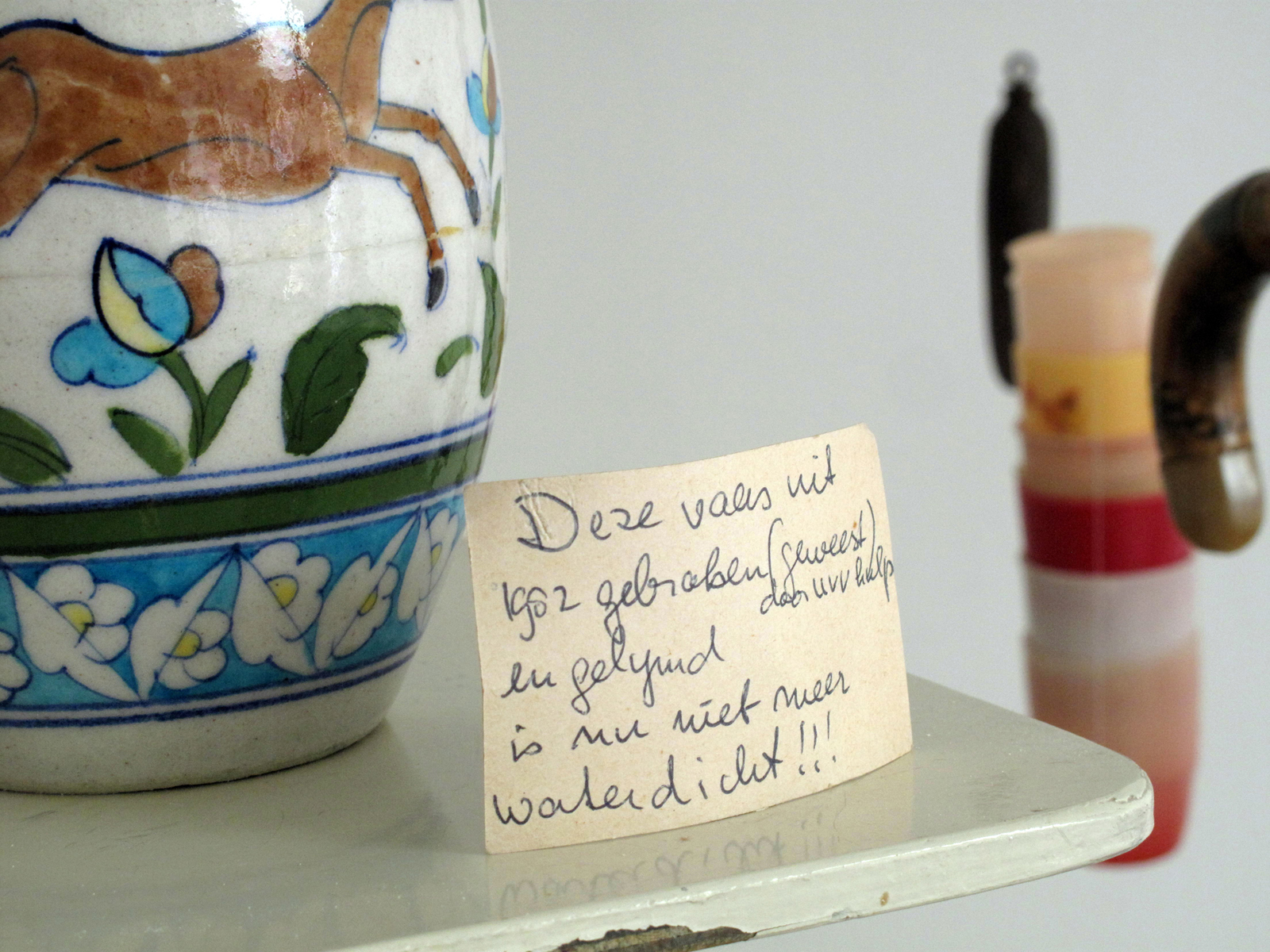
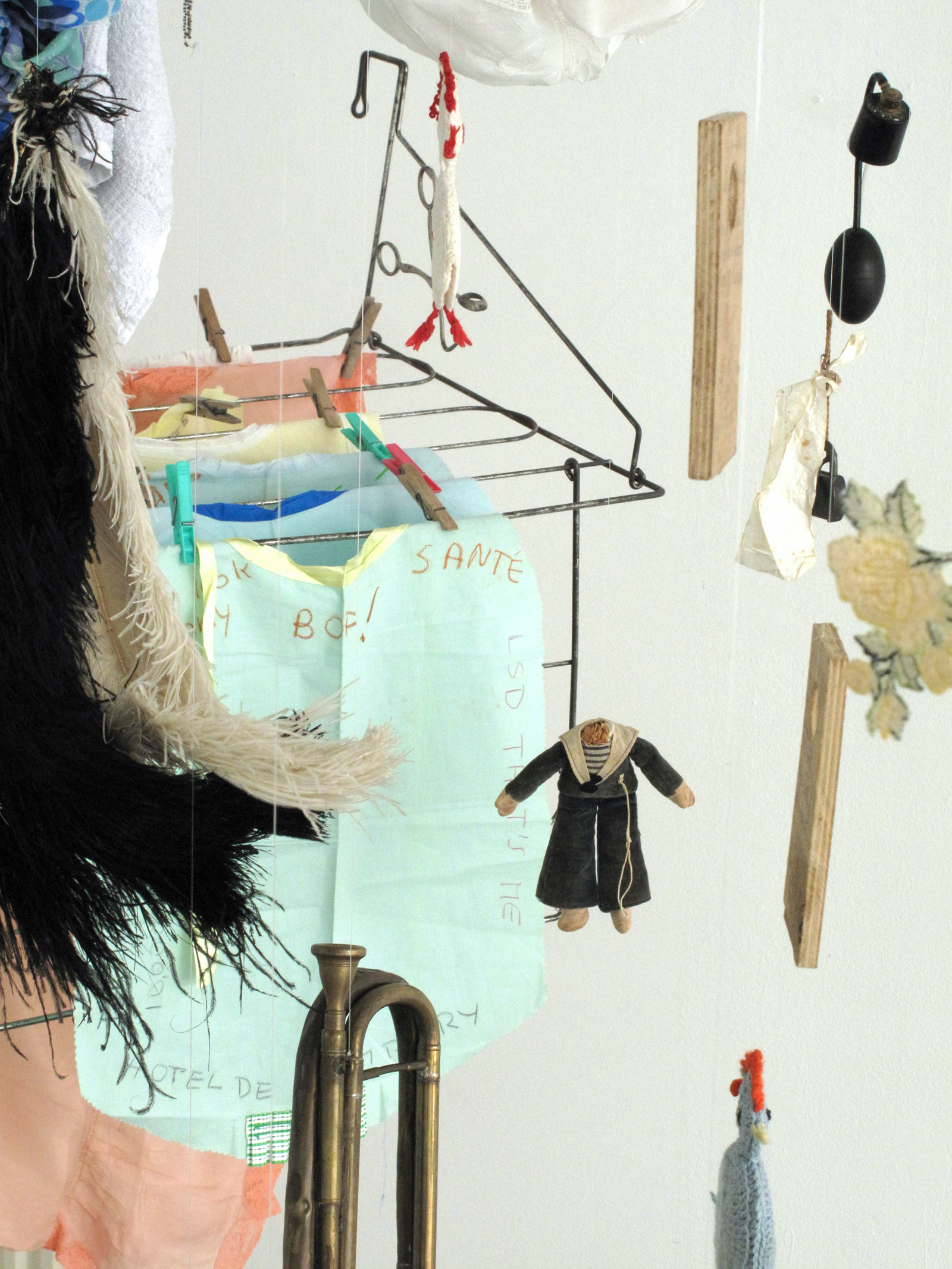
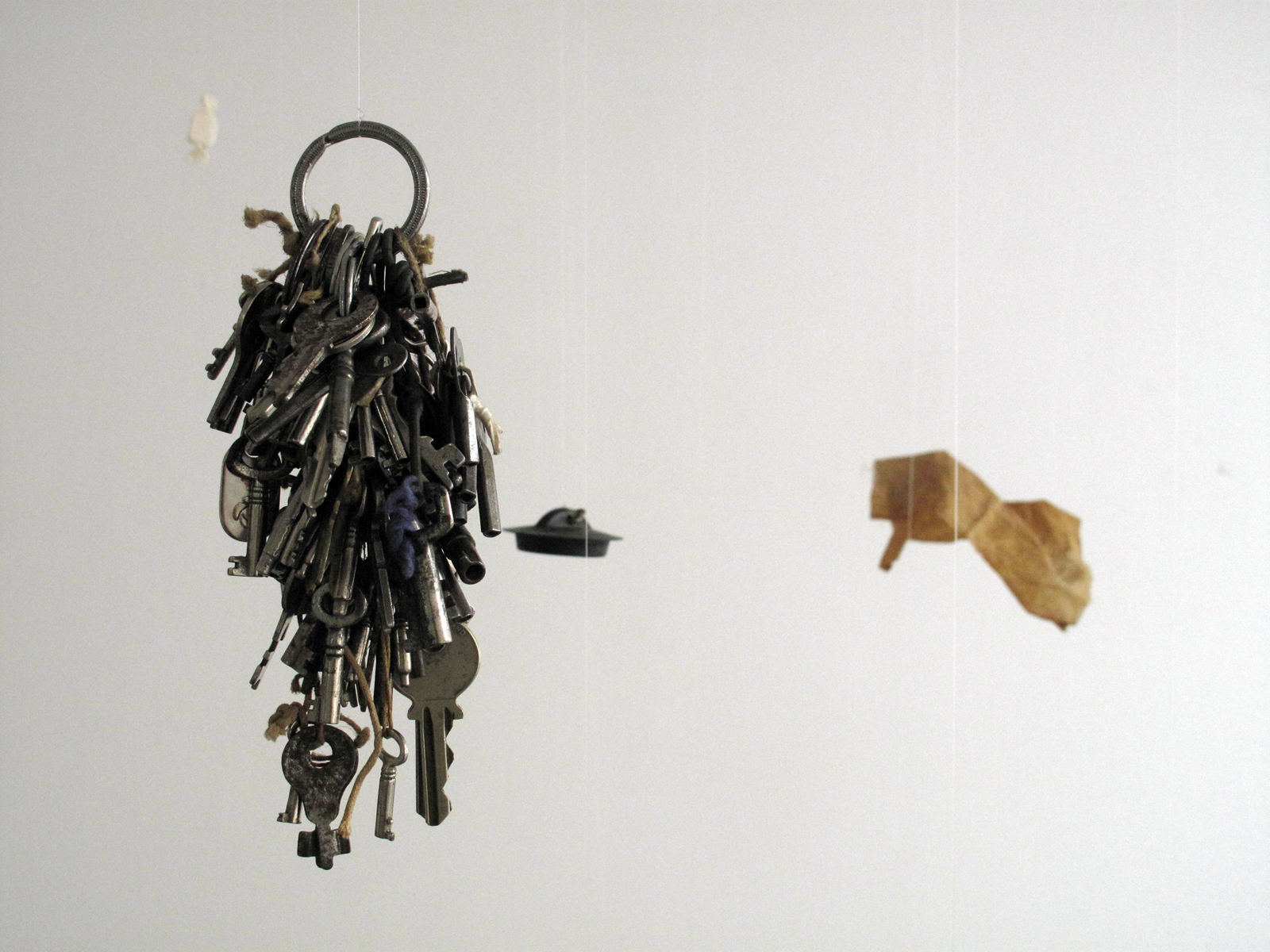
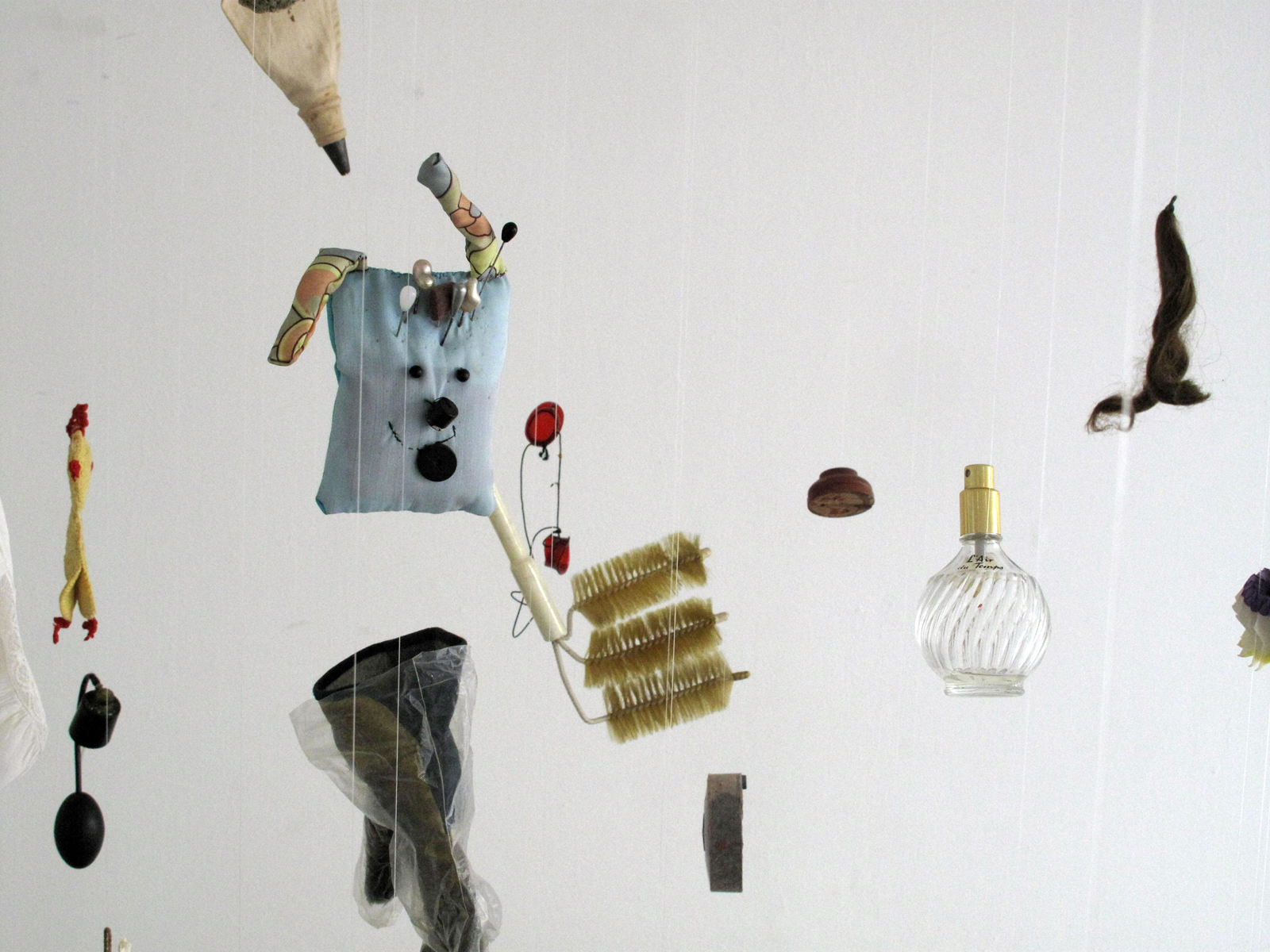
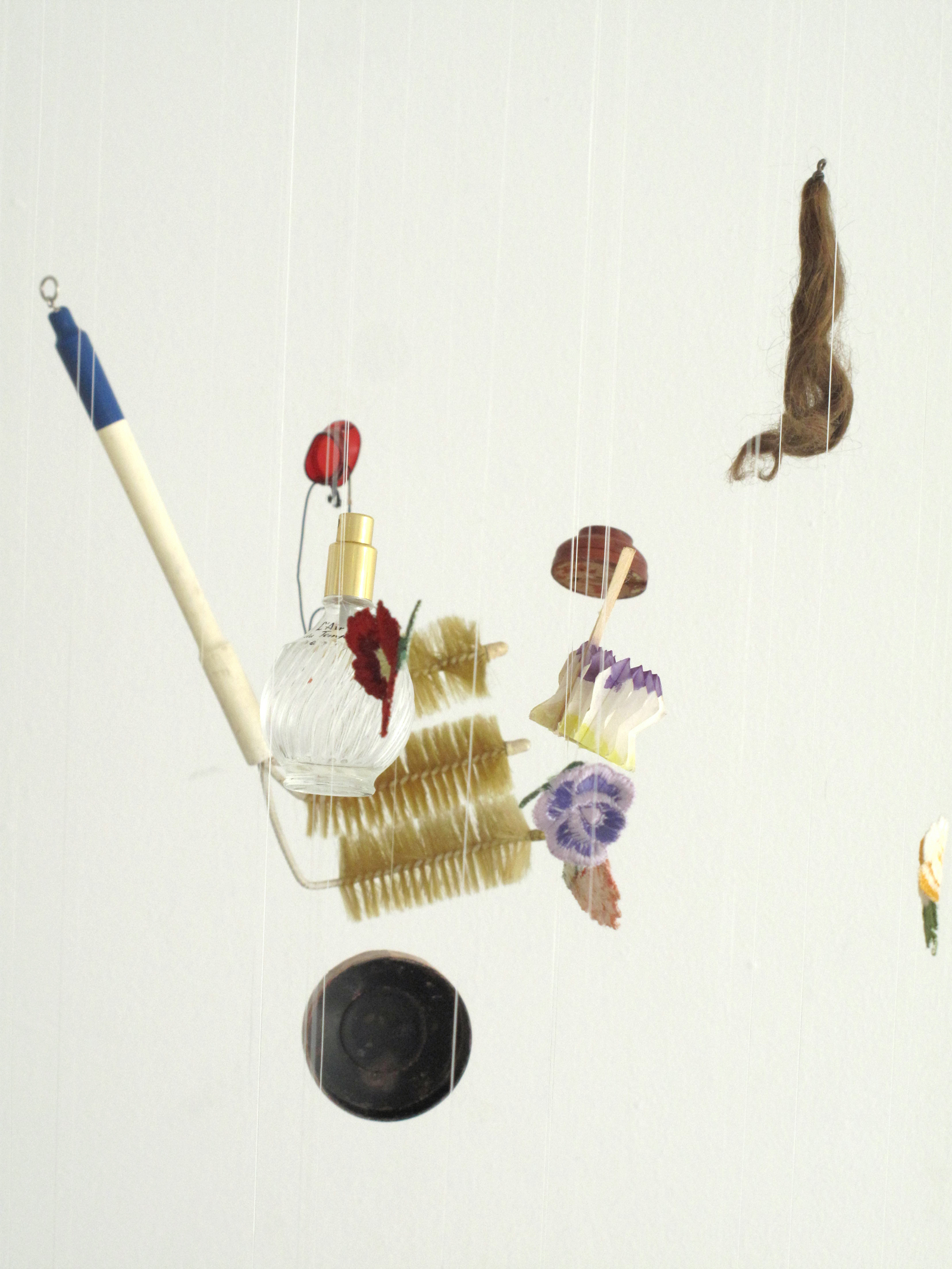
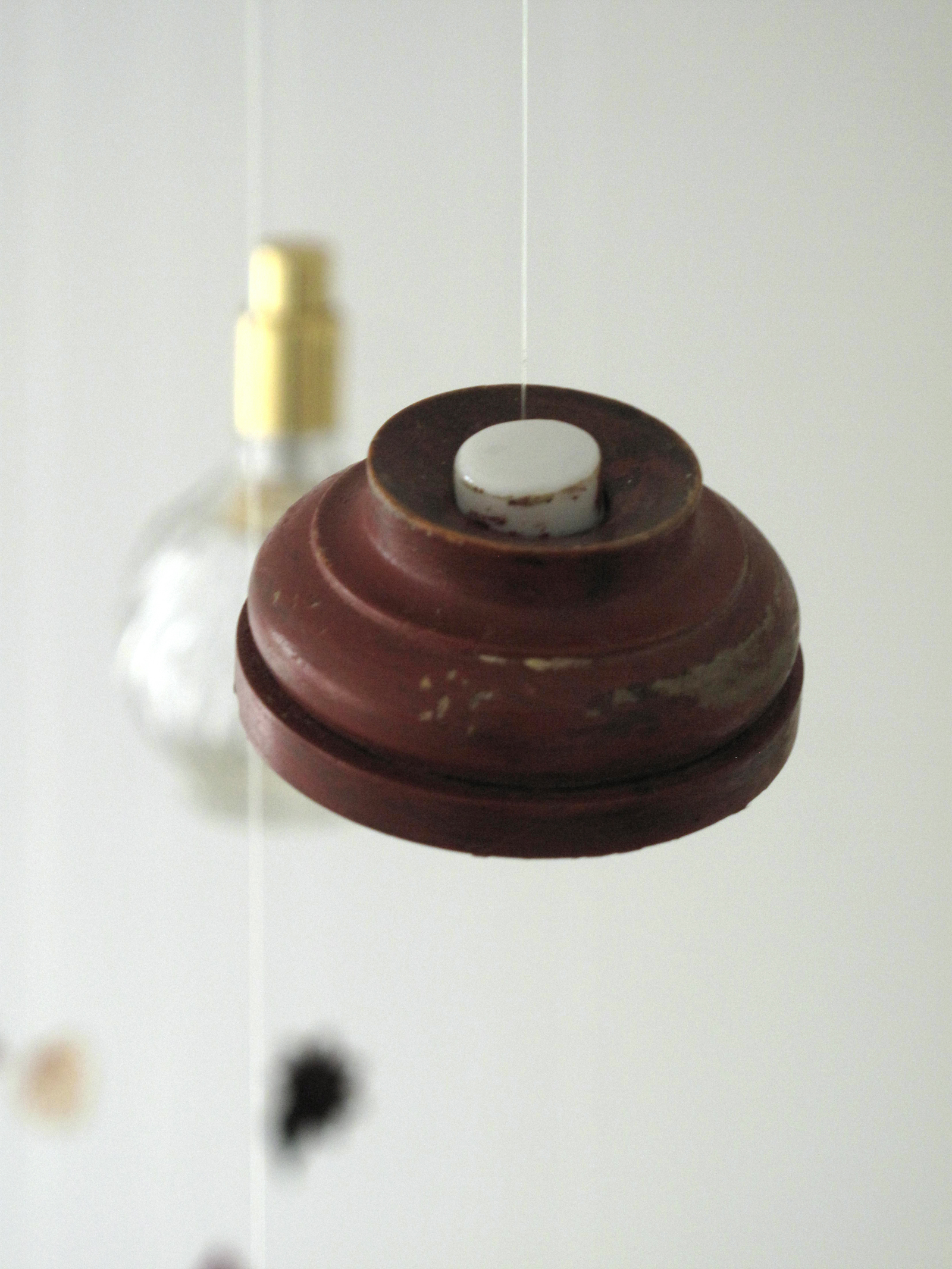
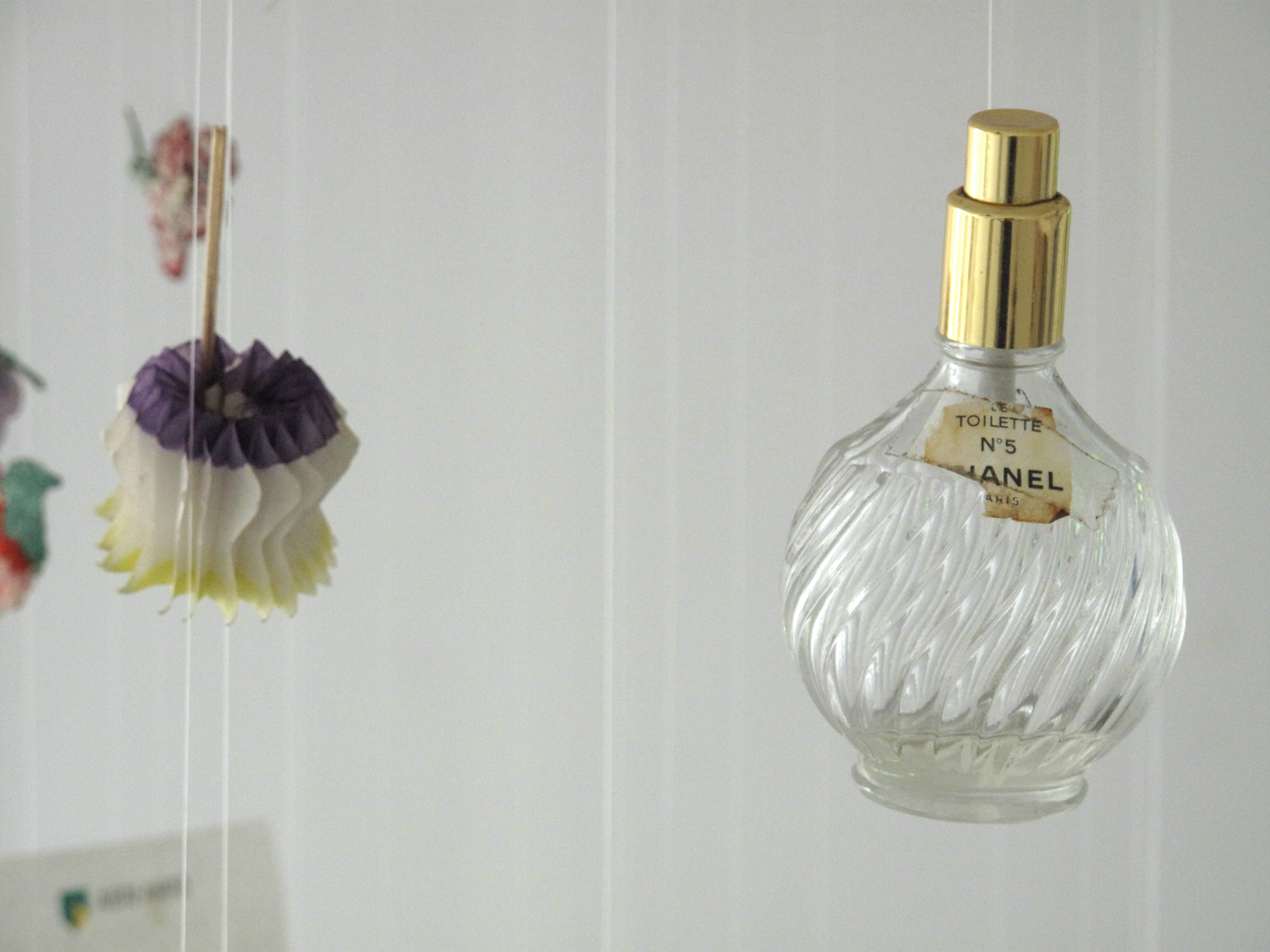
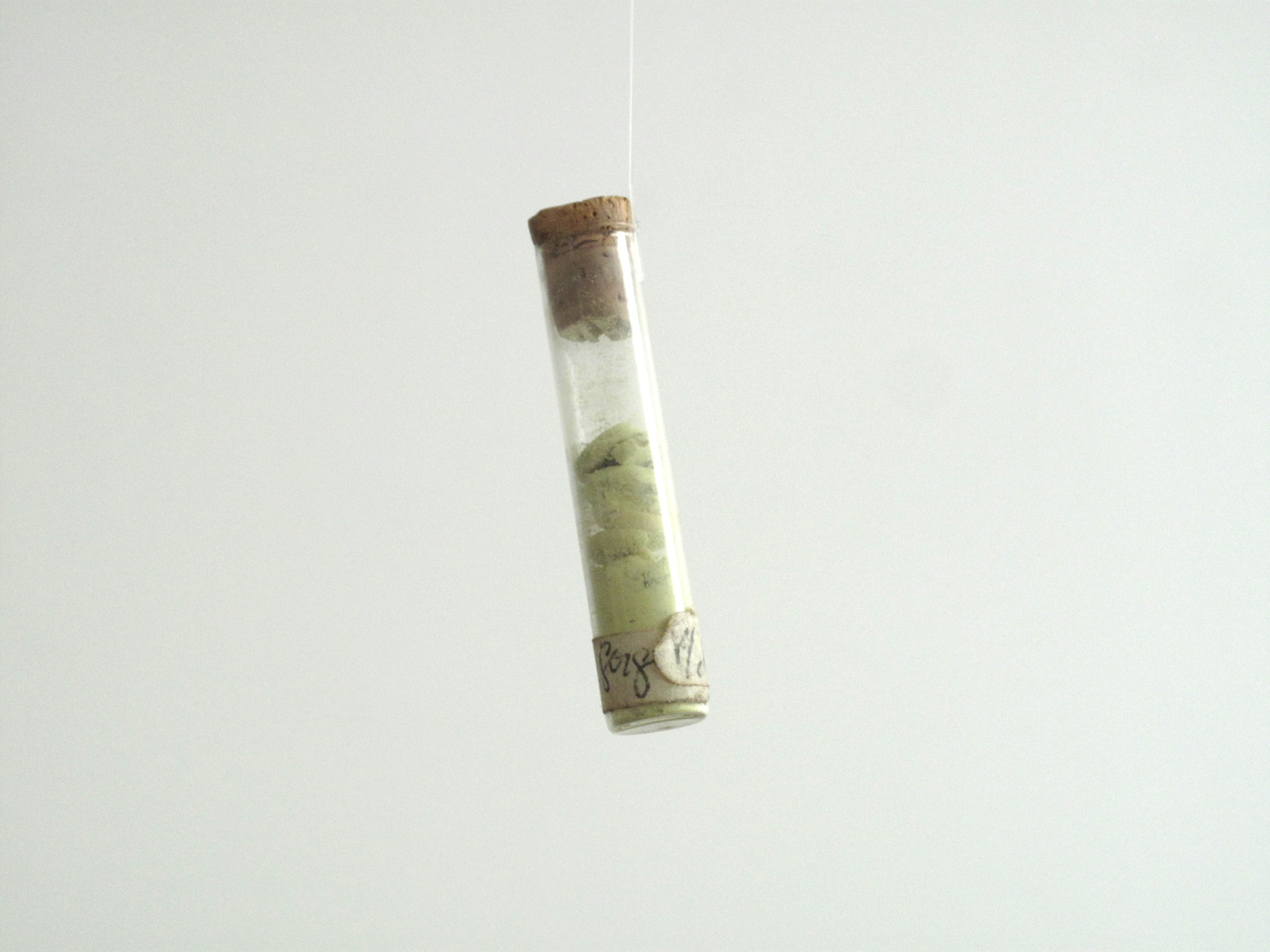
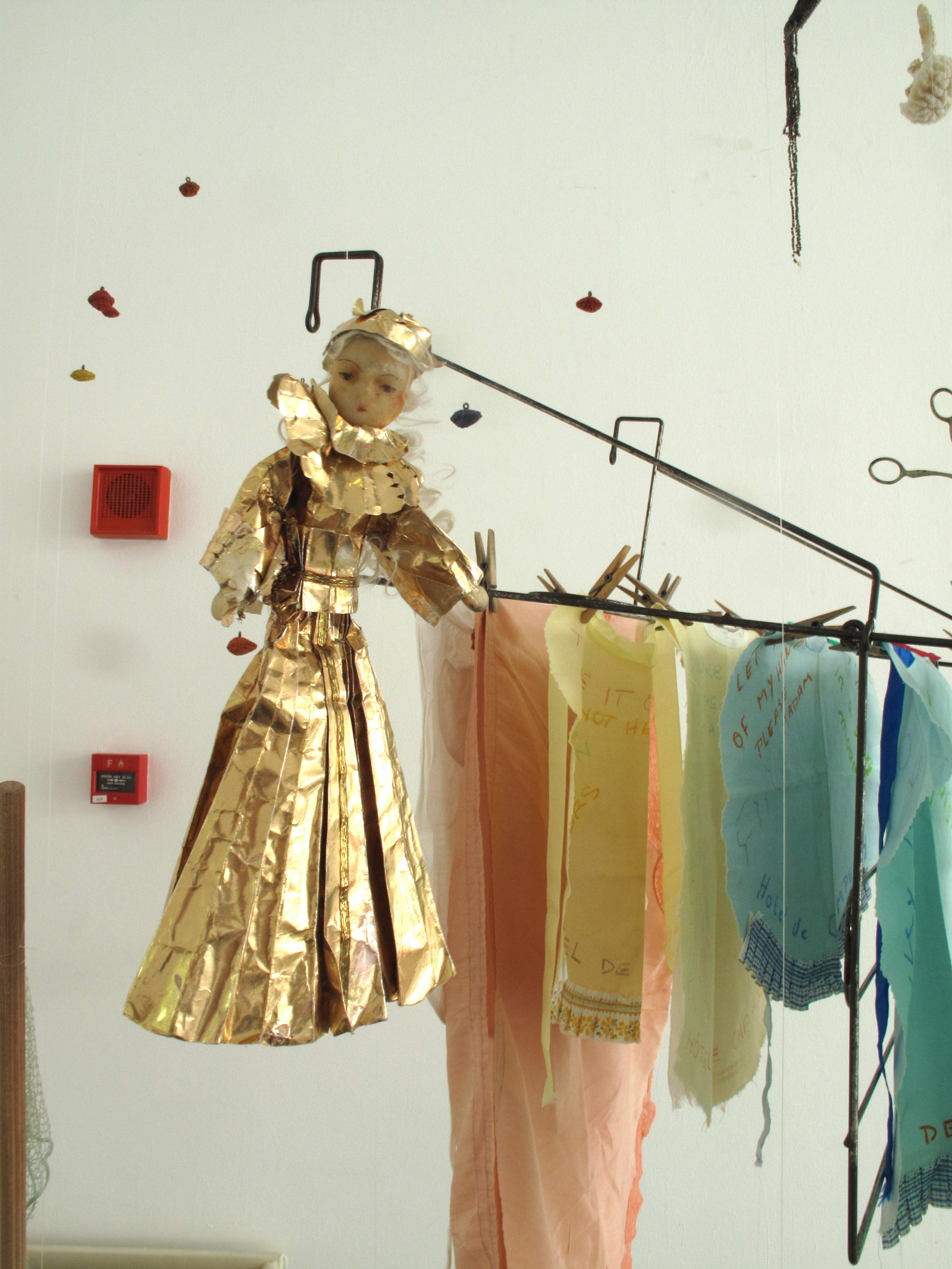
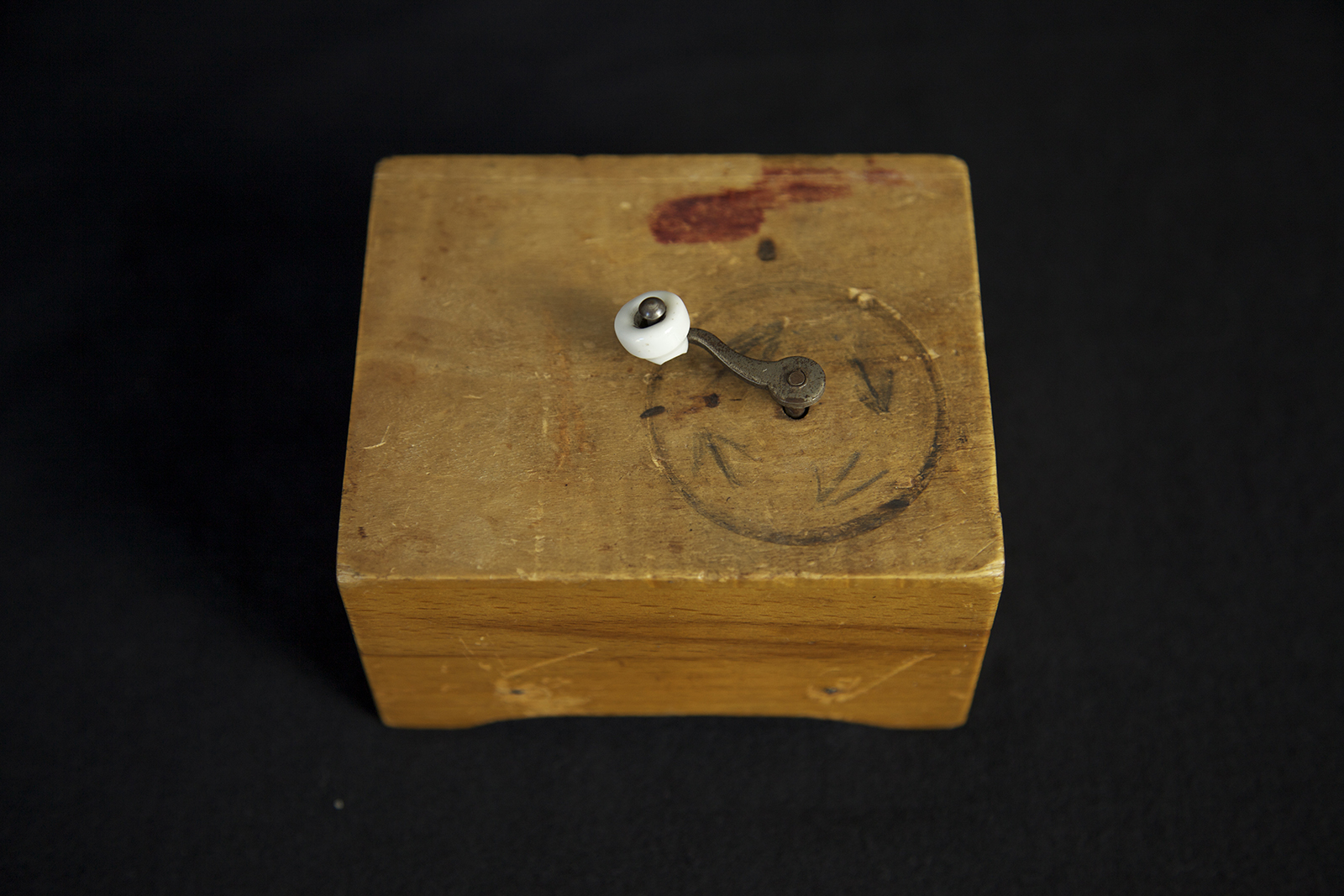
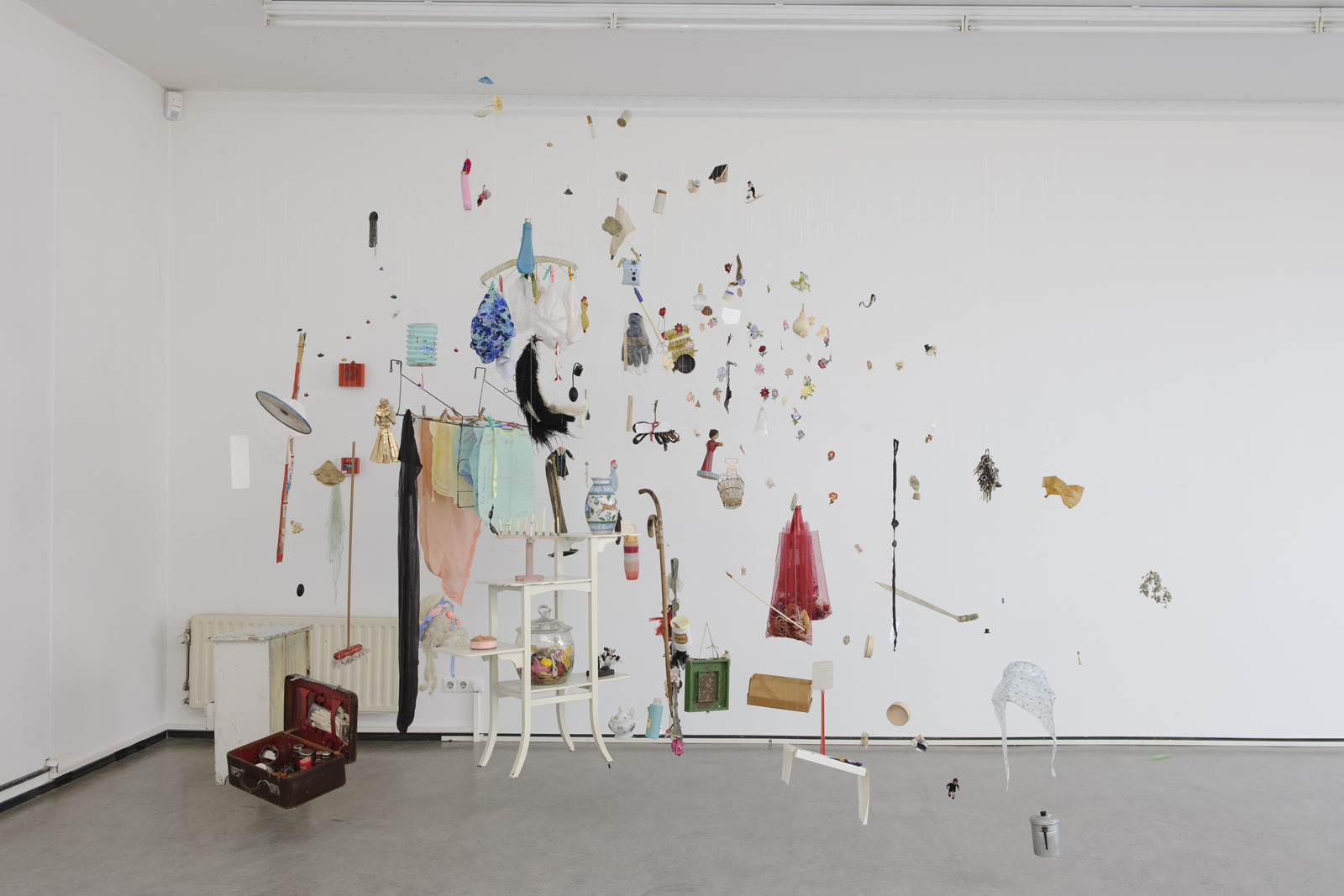
My grandmother, Oma Lola, was the queen of recycling. It was her favourite occupation. Objects that came her way were often given a second, third, or even a fourth life. Oma Lola passed away in March 2009, and three months later I took it upon me to sort through the well-archived collection that was her life's work, using her beloved treasures in an installation of my own.

The Thingworld that she surrounded herself with for many years consisted for a great part of objects any other person wouldn't find worth keeping. The urge to keep and re-use seems to me a generational phenomenon. Elderly ladies (mostly ladies) who lived through the wars and have known times of scarcity do not like to throw anything away. Some of my grandmother's friends are known to dry teabags on lines in their kitchen, preparing them for re-use. Also my grandmother was careful not to waste any food and used old underwear to clean the house. However, my Oma Lola did not only keep things out of economical motives. She seemed to take a special liking to objects that were worn out or damaged: disregarded items, forgotten toys, dried make up, broken porcelain, torn pieces of cloth. She enjoyed emphasizing the handiness, the value, but certainly also the beauty of these objects. She would mention it, show it and share it. Under the guise of cutting costs or to spare the environment, hardly a thing was bad enough for the bin. We, her daughters and granddaughters, were often given strange third-hand gifts. But there were also many things that were her secret treasures, things I knew I could only admire once she was no longer there.

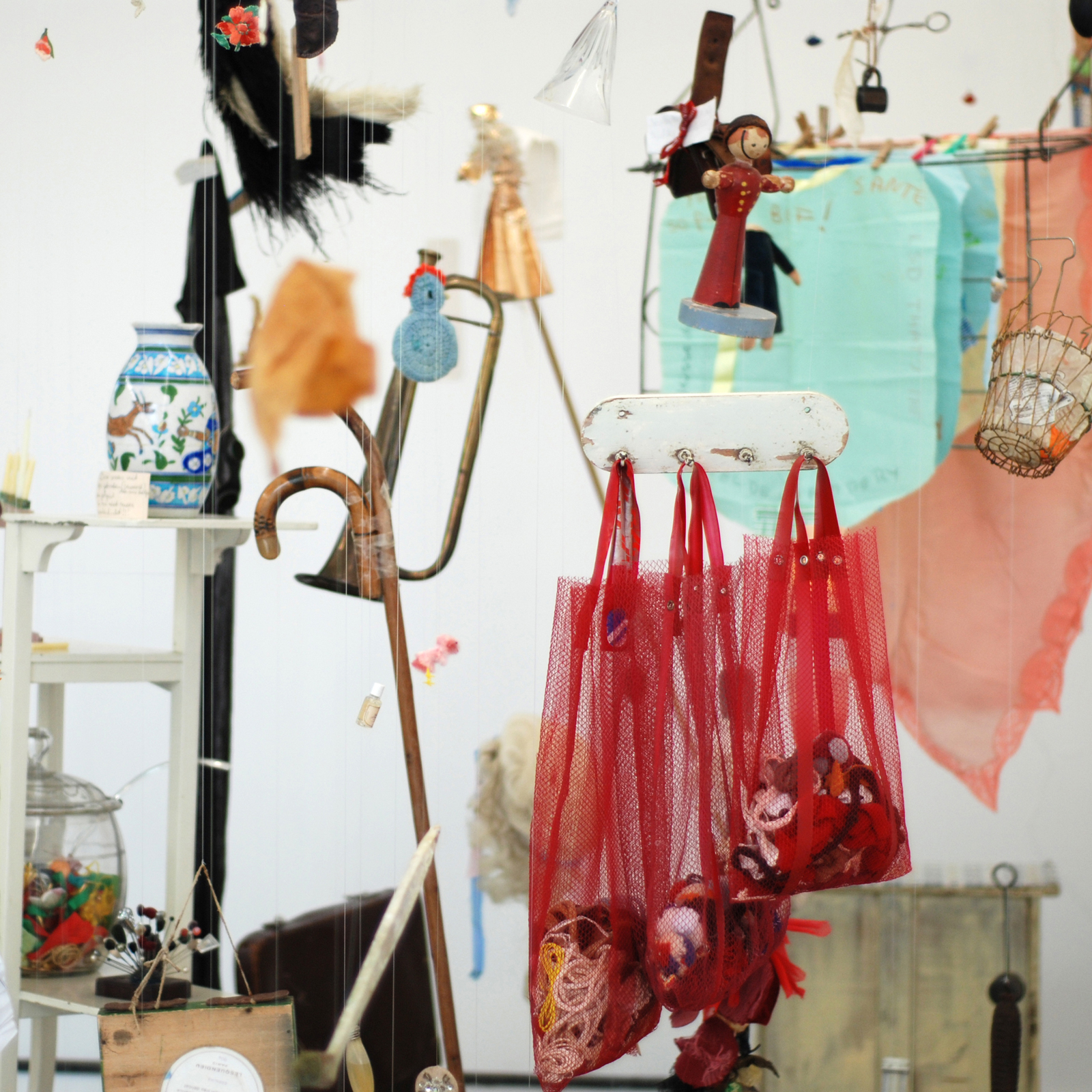
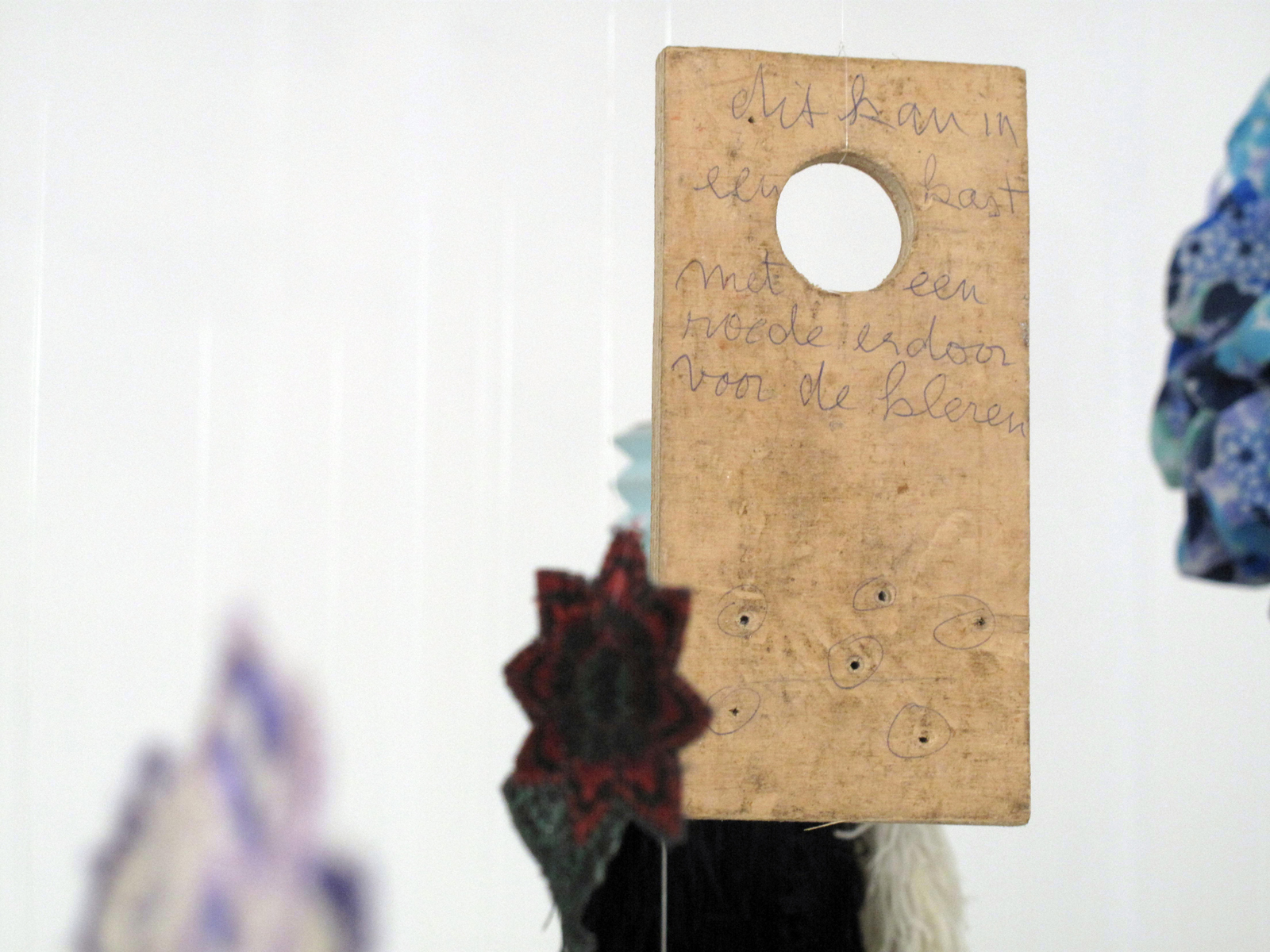
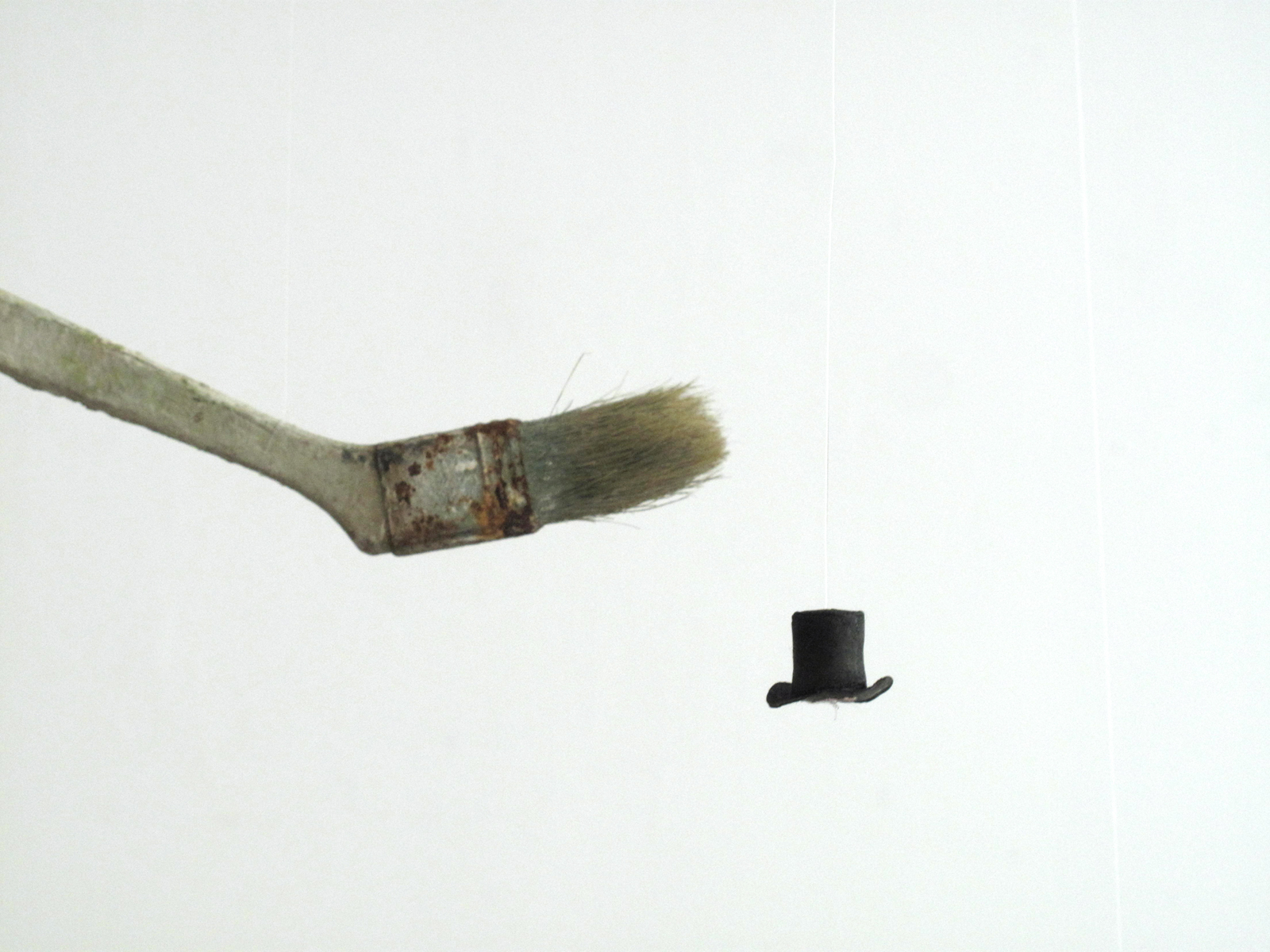
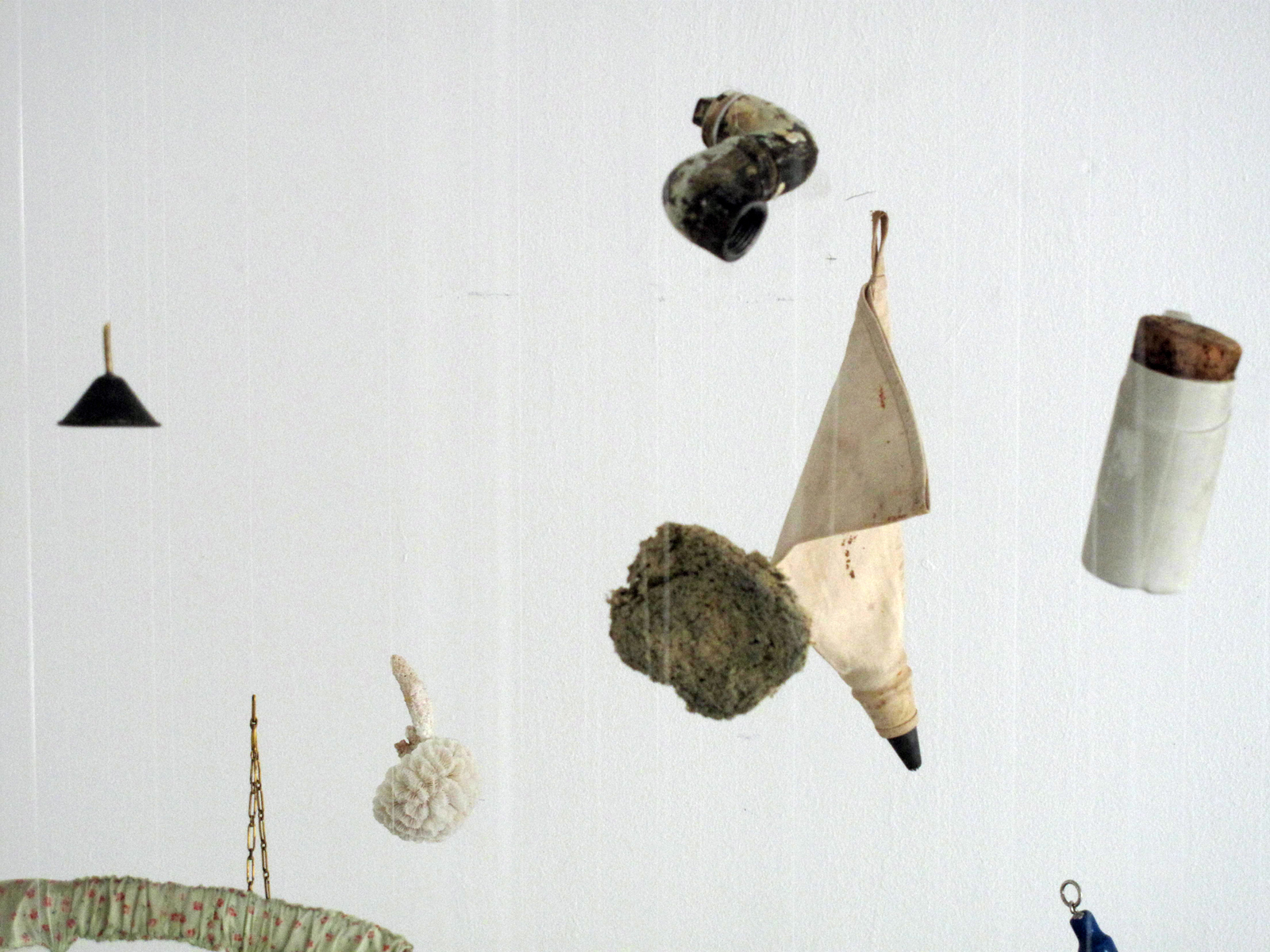
Shortly after her passing away, I started upon the arduous task of organising my grandmother's stuff. A thorough selection was needed. The contents of more than twenty cupboards, all cleverly and carefully stashed, had to be closely examined. What was going to survive and get a new destination and what was going to be thrown away? The higher the waste-percentage, the more suitable the object would be for my installation. My grandmother had an unusual way of archiving; she would rarely sort things by type, instead she would label things with written notes - where did the vase in question come from, who dropped it and what could it be used for next? Soon I began to see relationships between items and started to organise the objects in my own way; I made my own families. Things are one another's sisters, brothers or distant cousins; they improve each other or weaken the other. They look alike in shape or function or they need each other and are complementary. Thus my de-evolution of things came into being. The winners, the survivors, were the weakest, the useless, the faintest. They obtained the absolute eternal status.

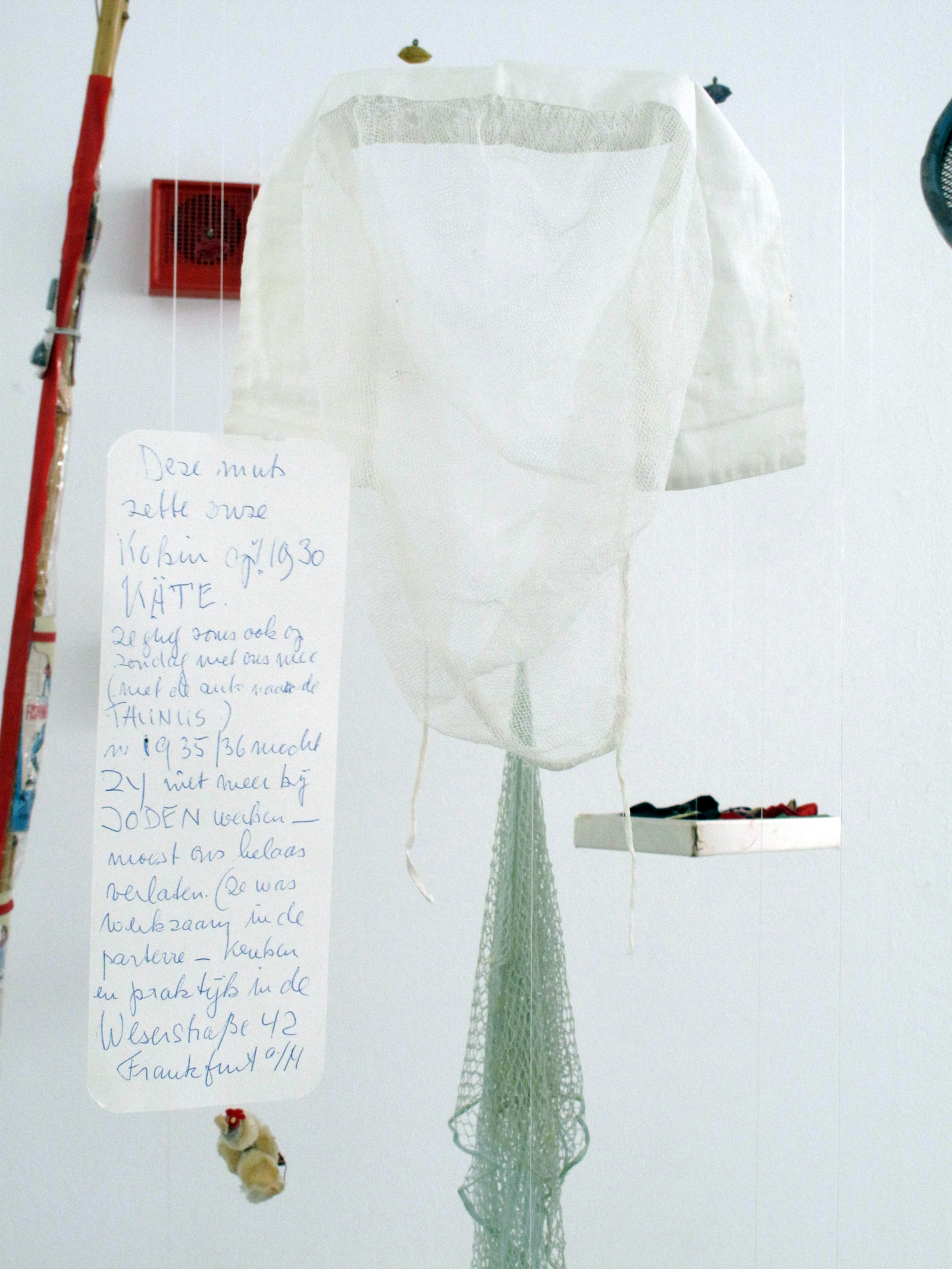
My grandmother invented a new purpose for many objects; a pair of laddered tights was easily transformed into a hair ribbon. The core of her creativity was to keep things alive. I don't think she was entirely aware of her own fascination, her fondness for damaged items. Saving things was her addiction, she couldn't help it and would get deeply sad when she would find someone to disregard or even despise an object. While she was still alive, her collection was a magical world in which I was allowed with her permission only. Under her auspices I opened cabin trunks, which seemed to have come freshly from Frankfurt am Main in 1937, to then enter a world that had been the same for eighty years.

Every day I spent alone in the house I went about my work less timidly. Suddenly I was allowed to look into everything I wanted to, to use the things I selected, to harbour them, to make an installation in which my grandmother's passion and my own dream world come together. For she inspired me and made me love these things.

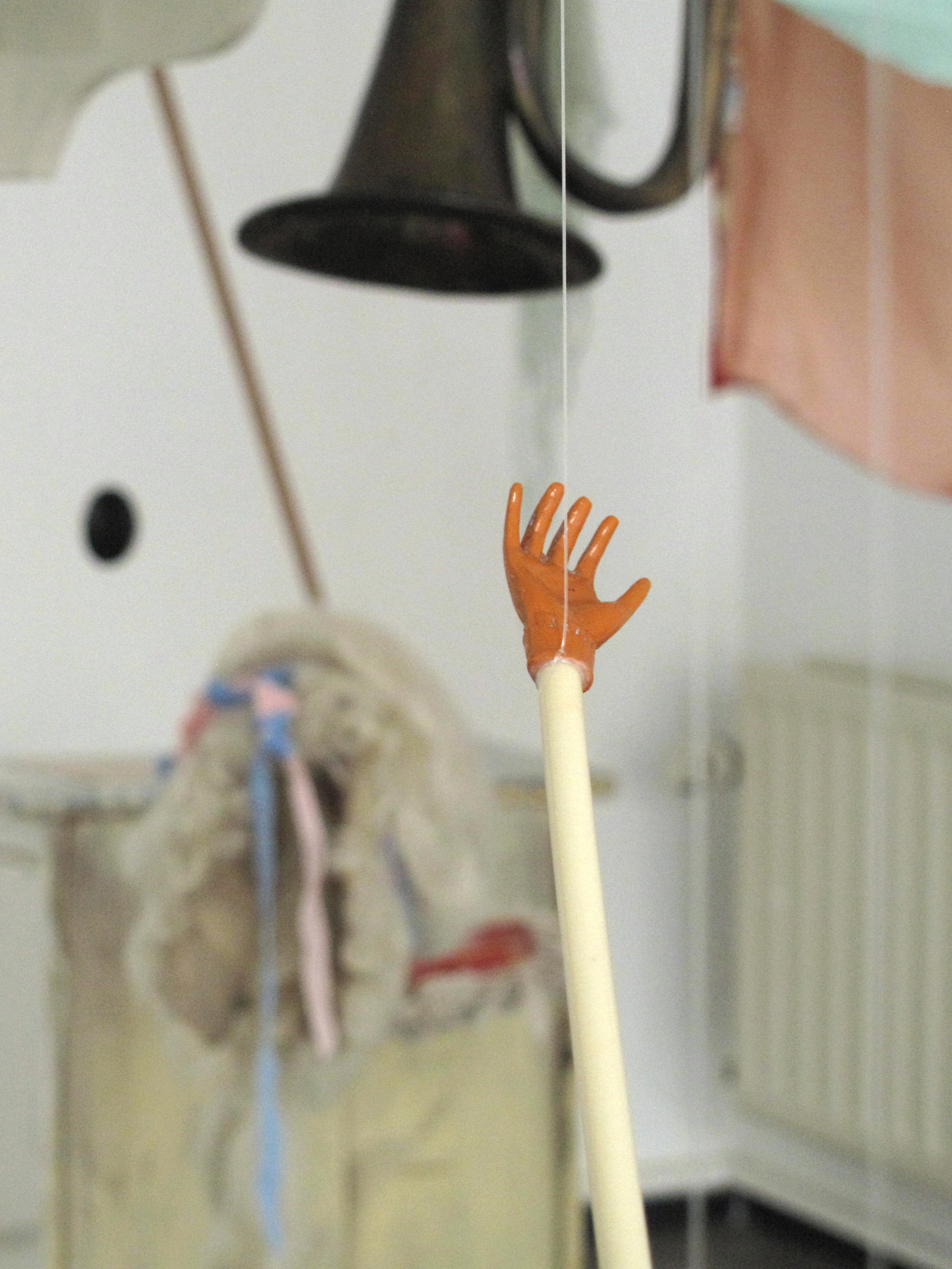
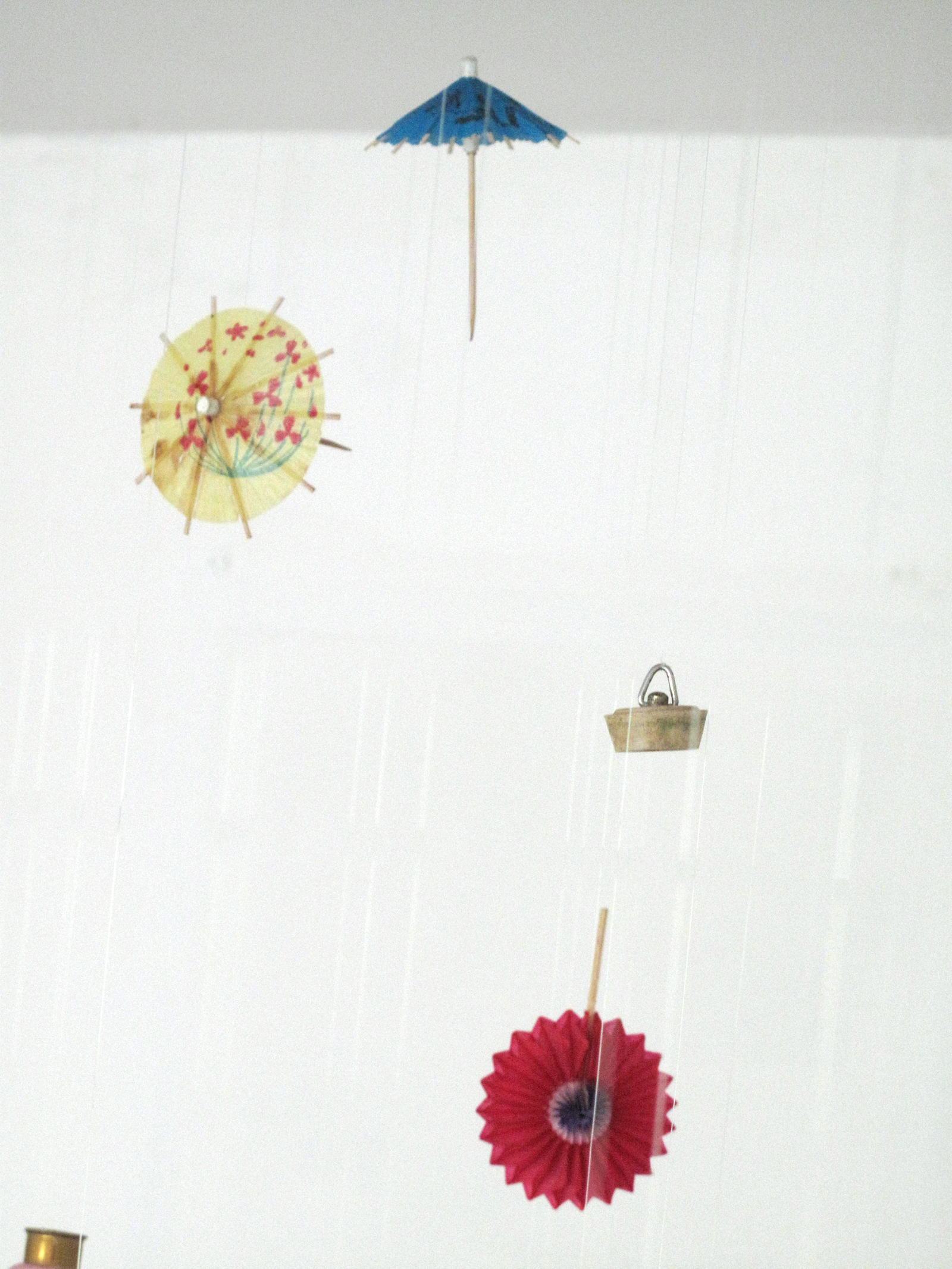
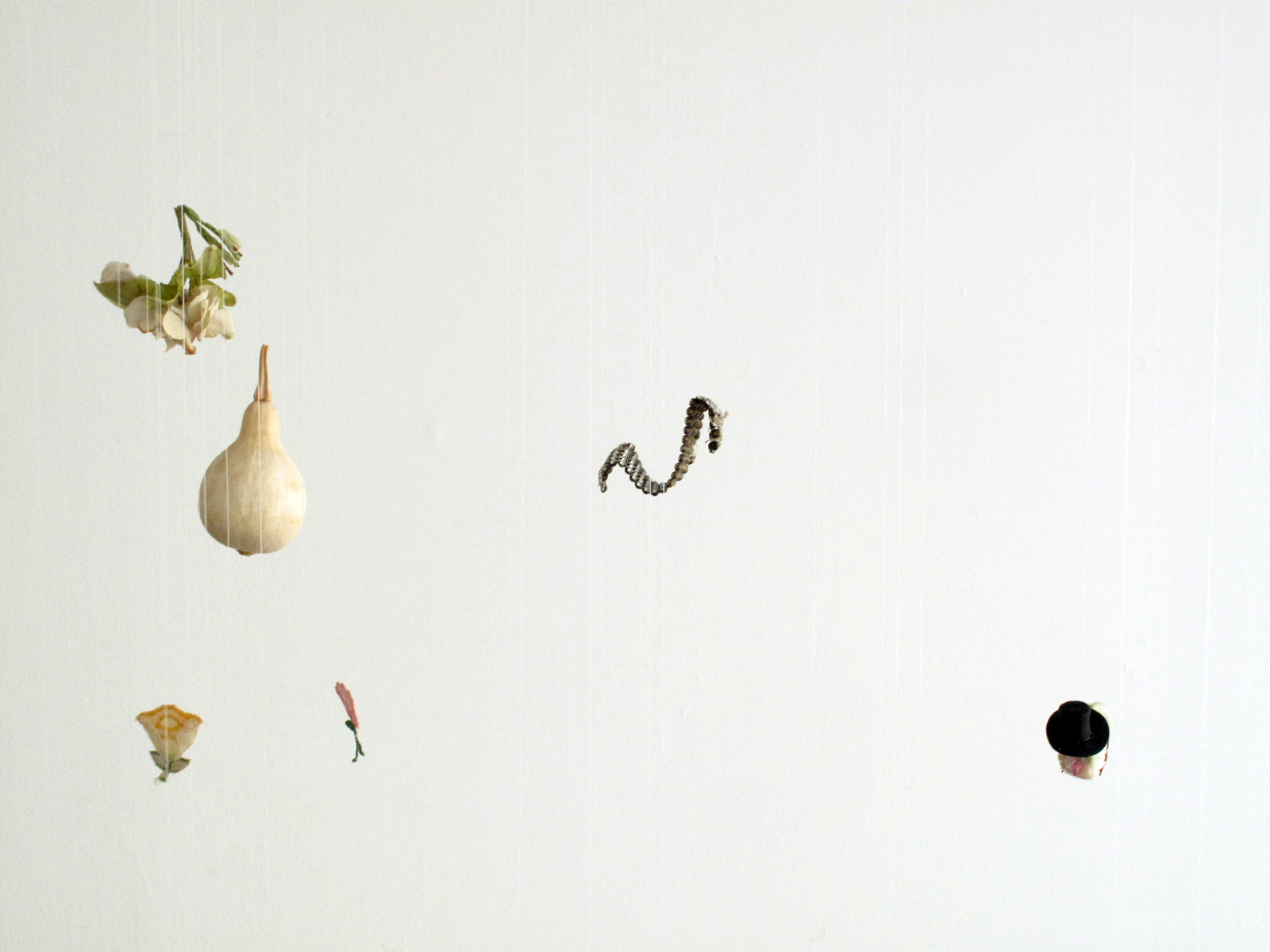
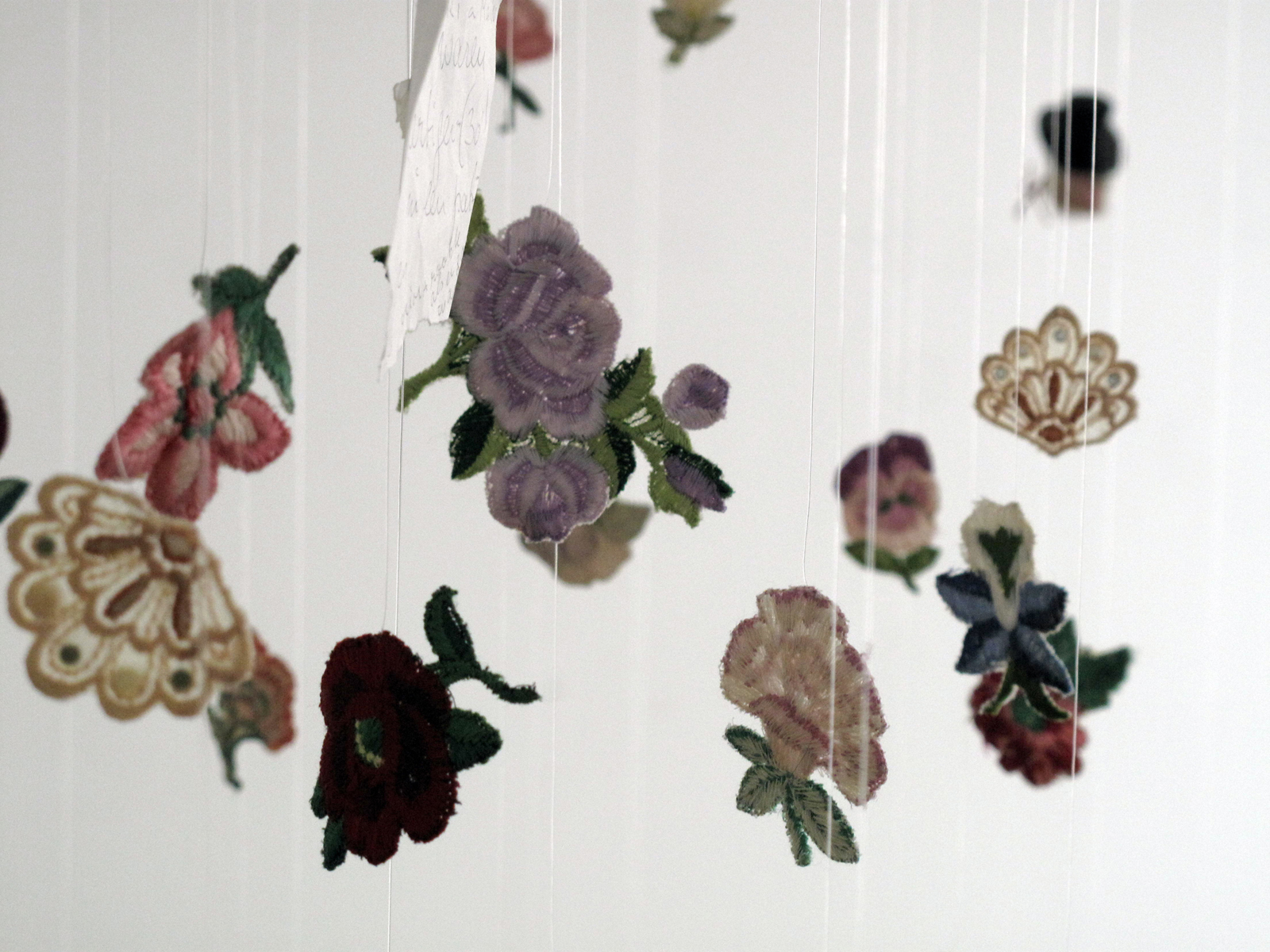
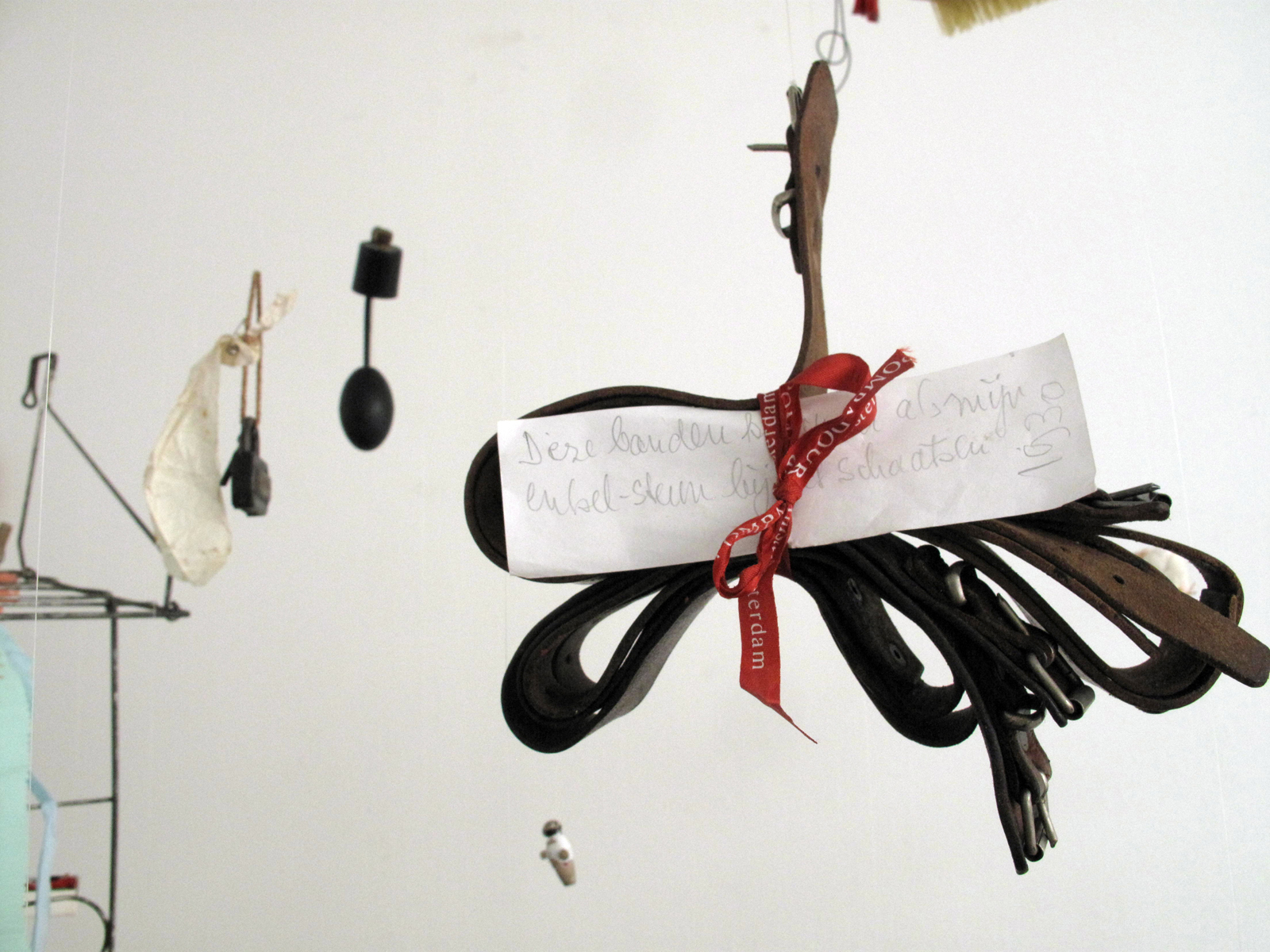
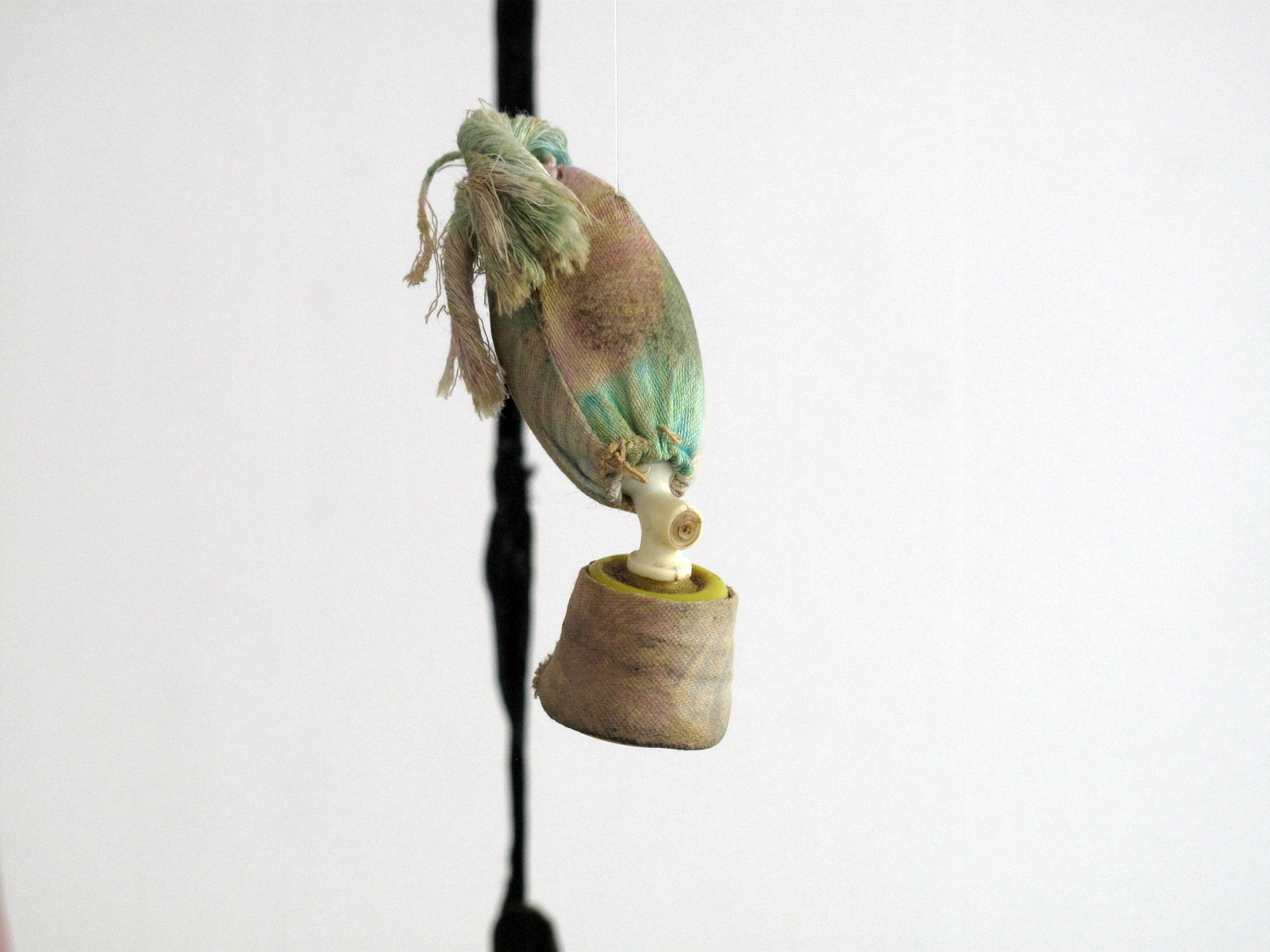
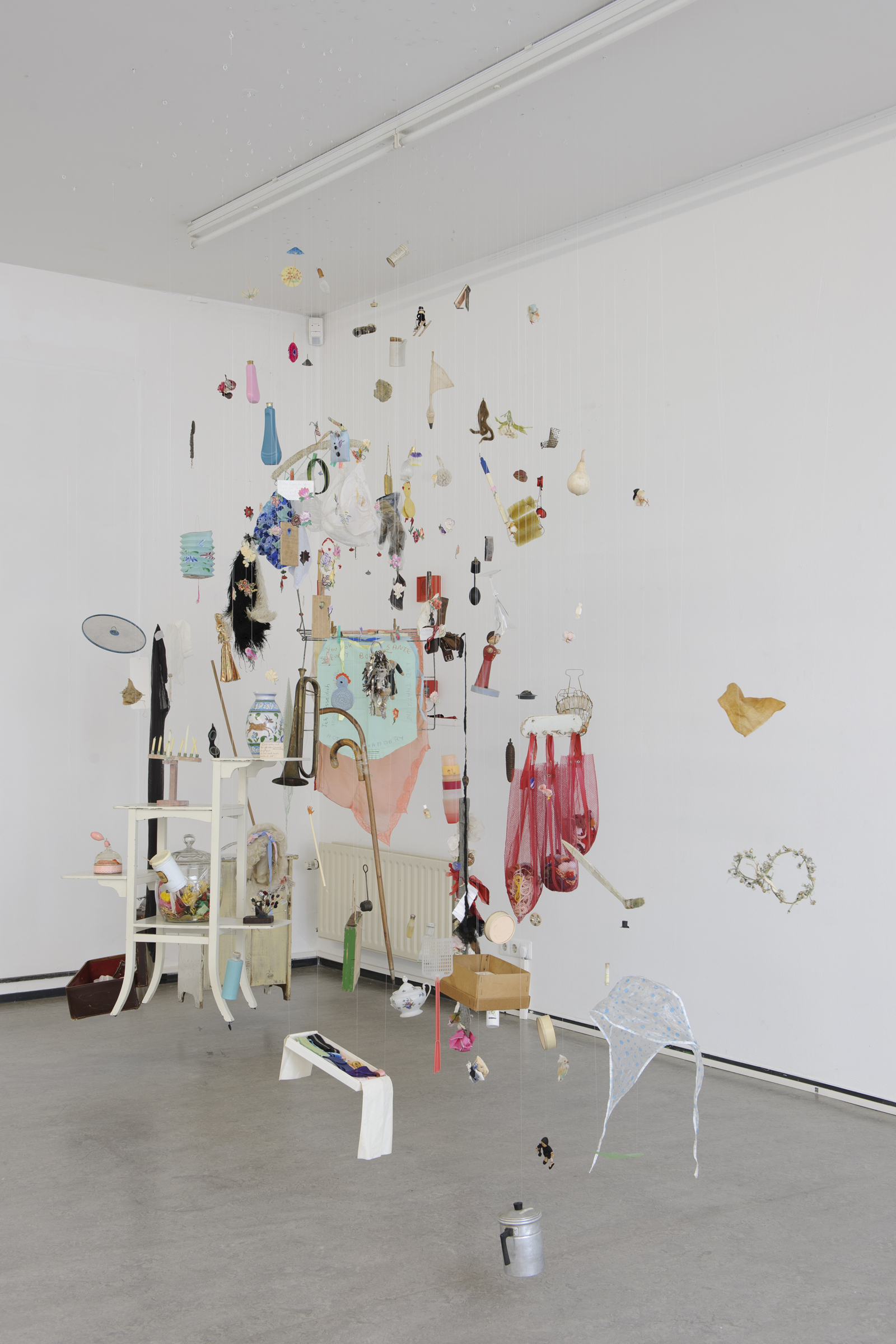
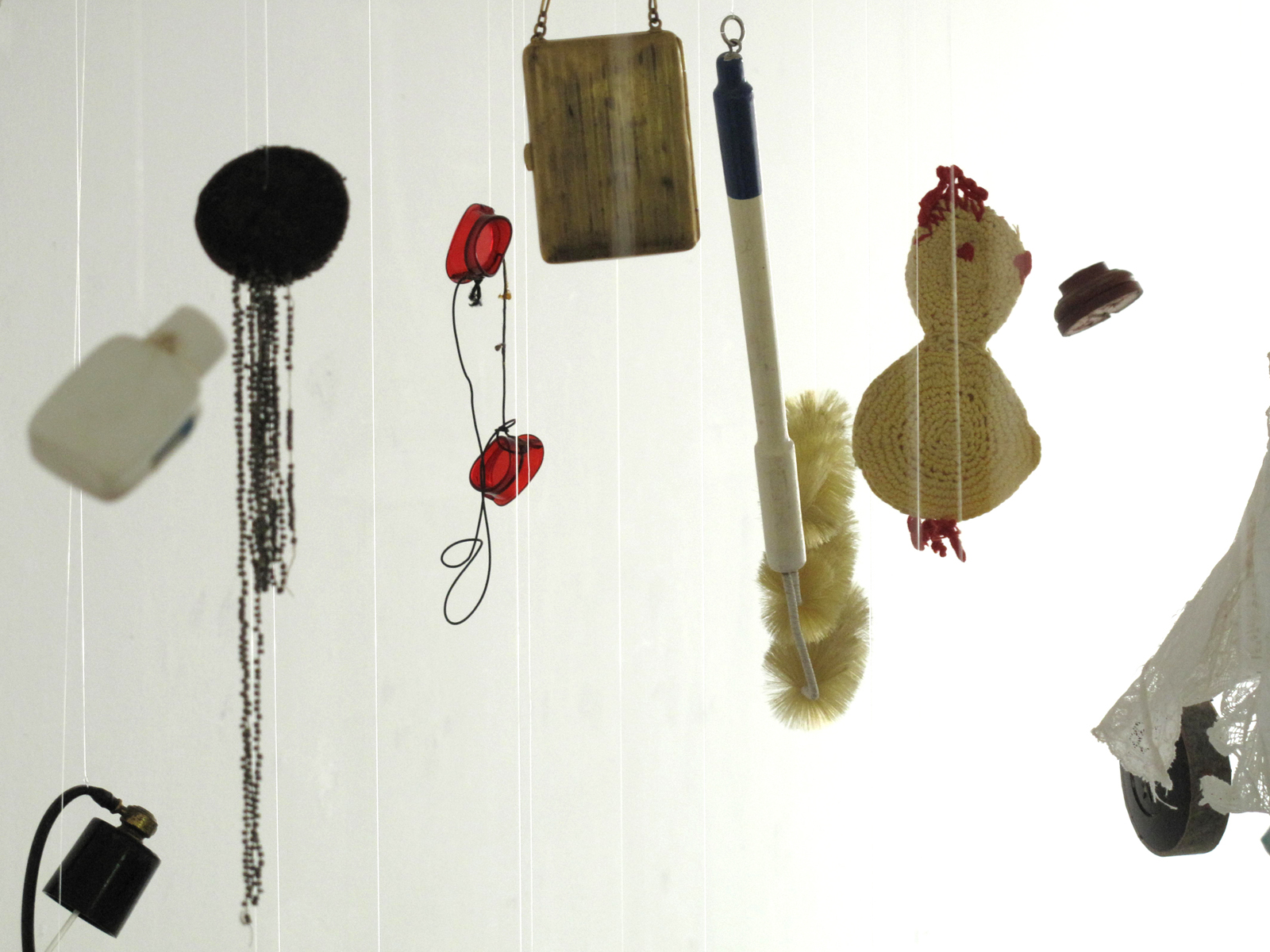
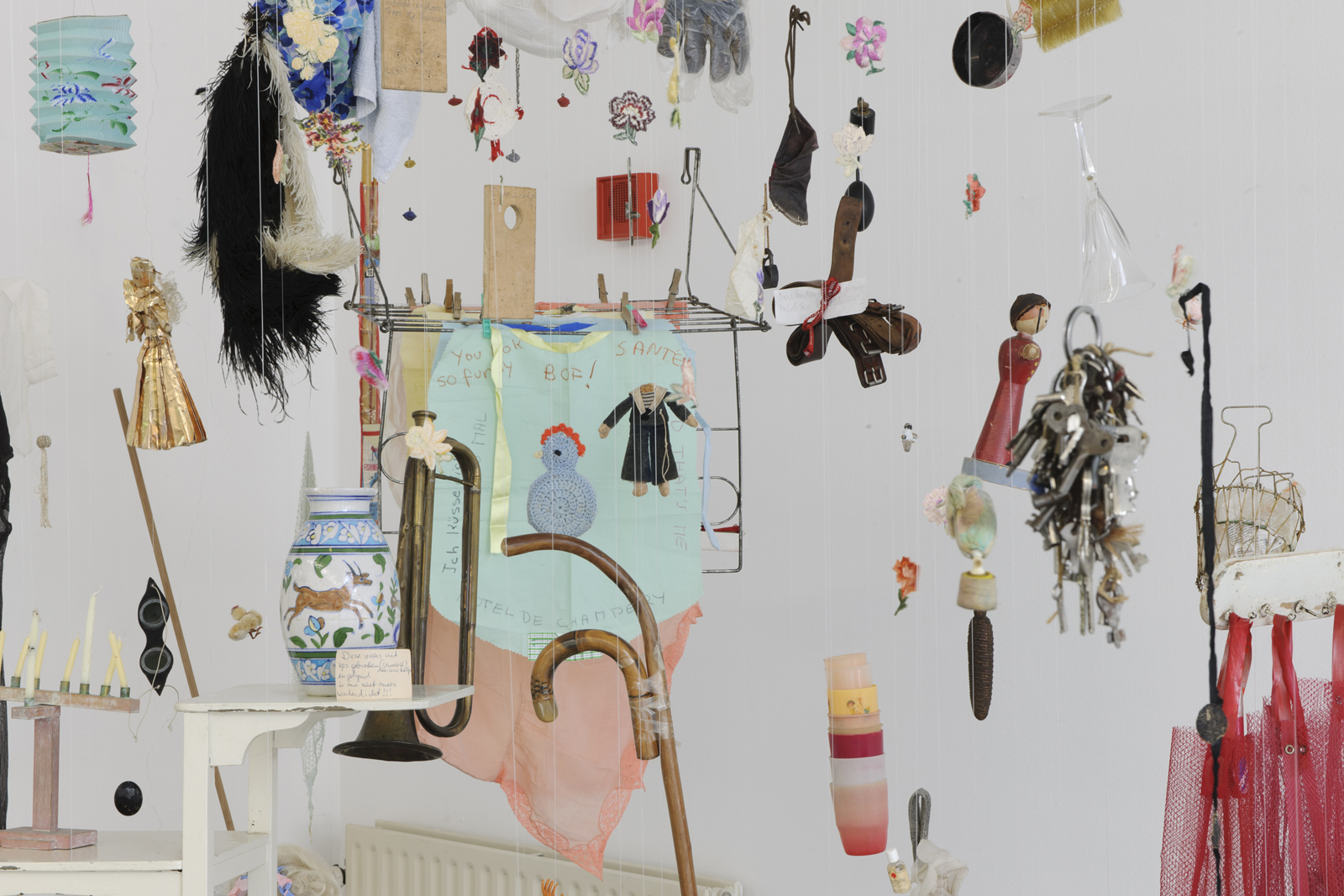
FIG 1. images are part of the installation Survival of the Faintest
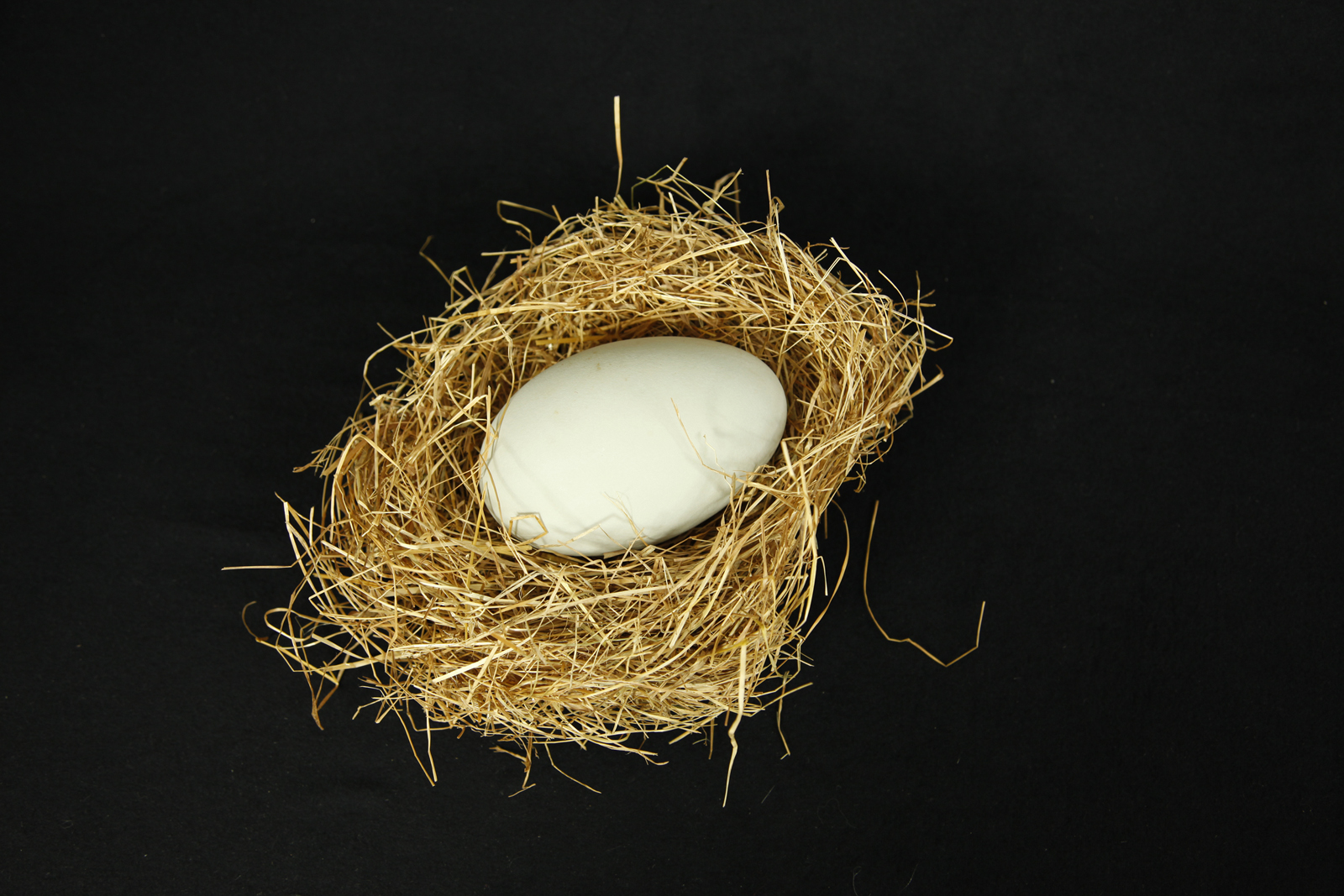
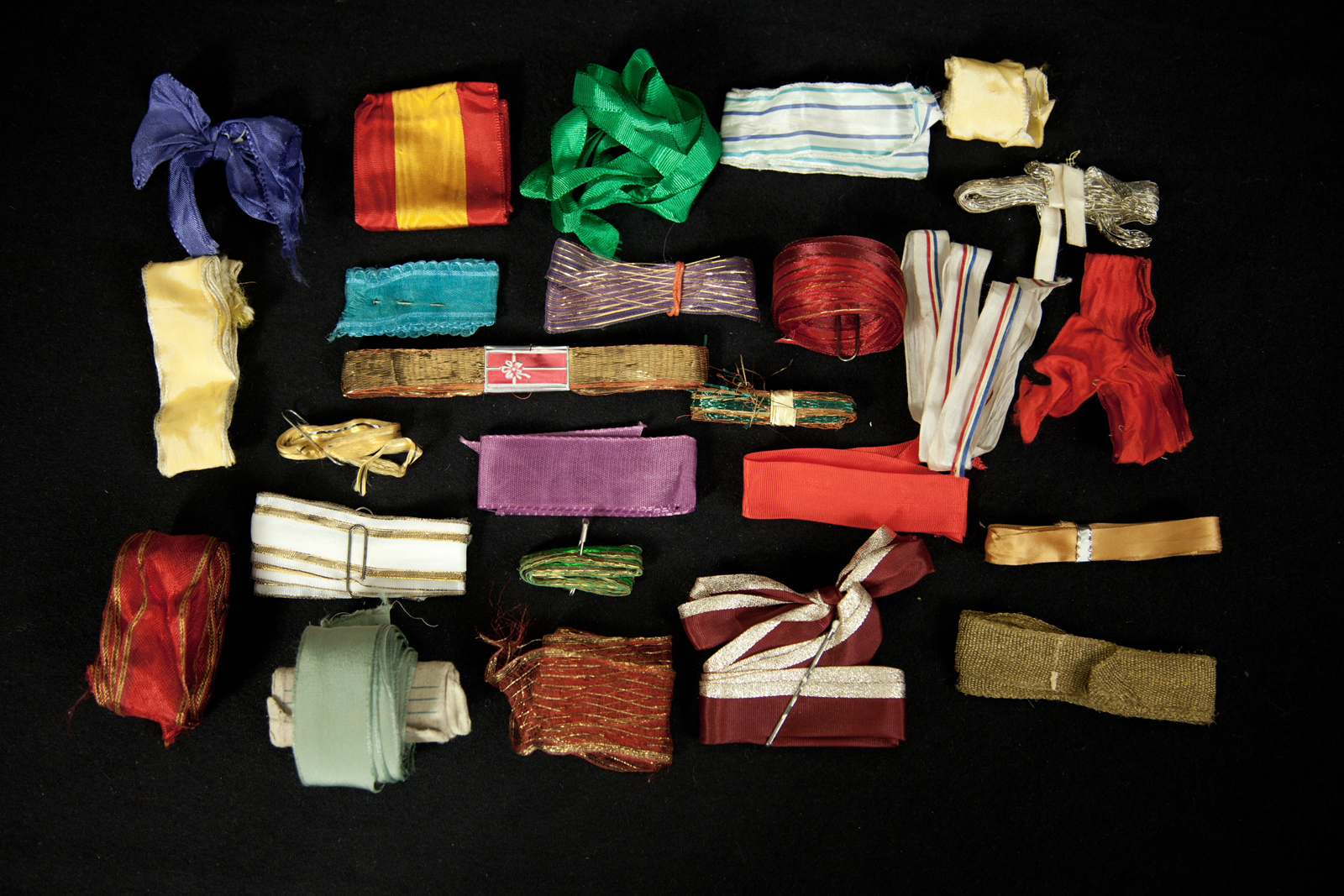
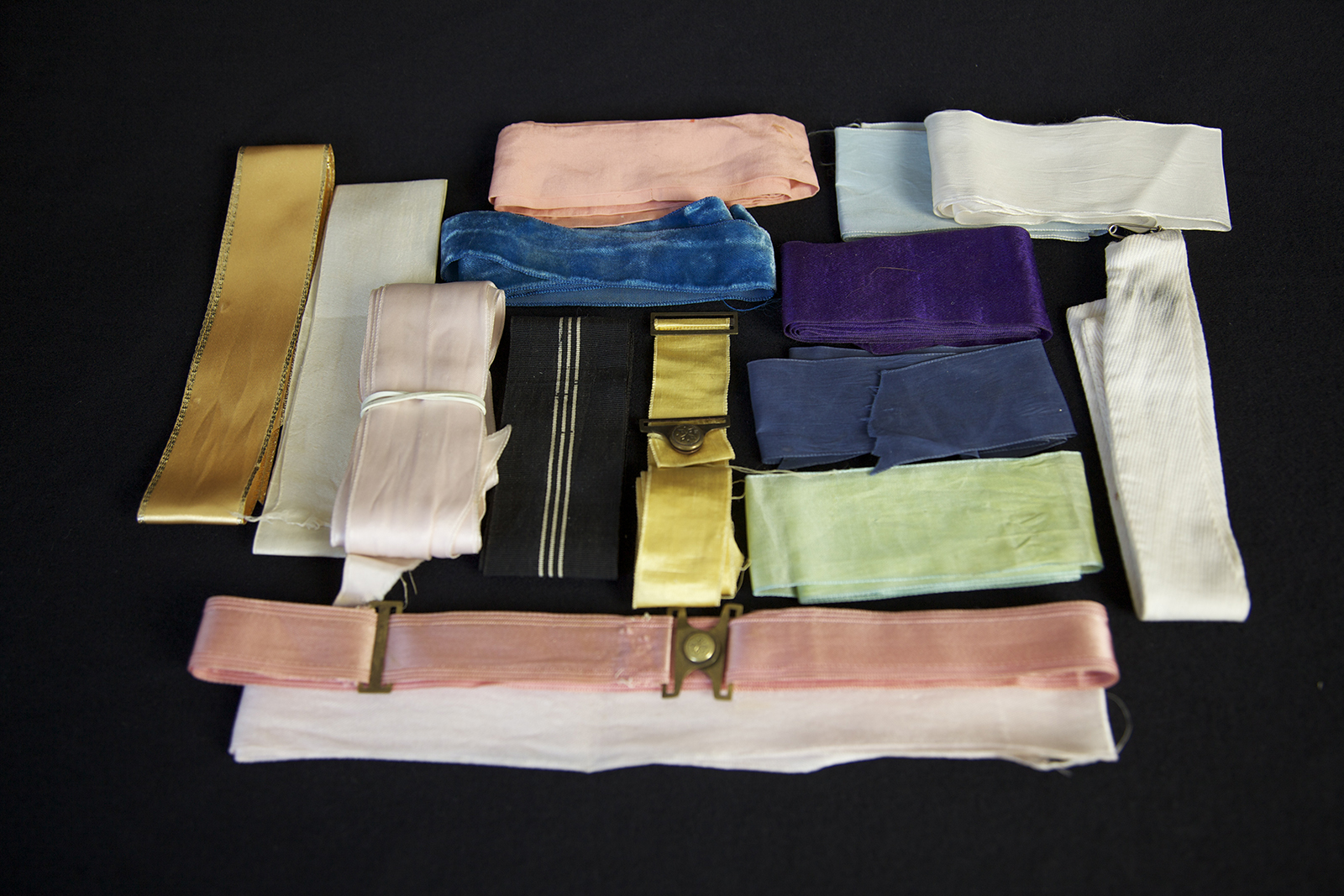
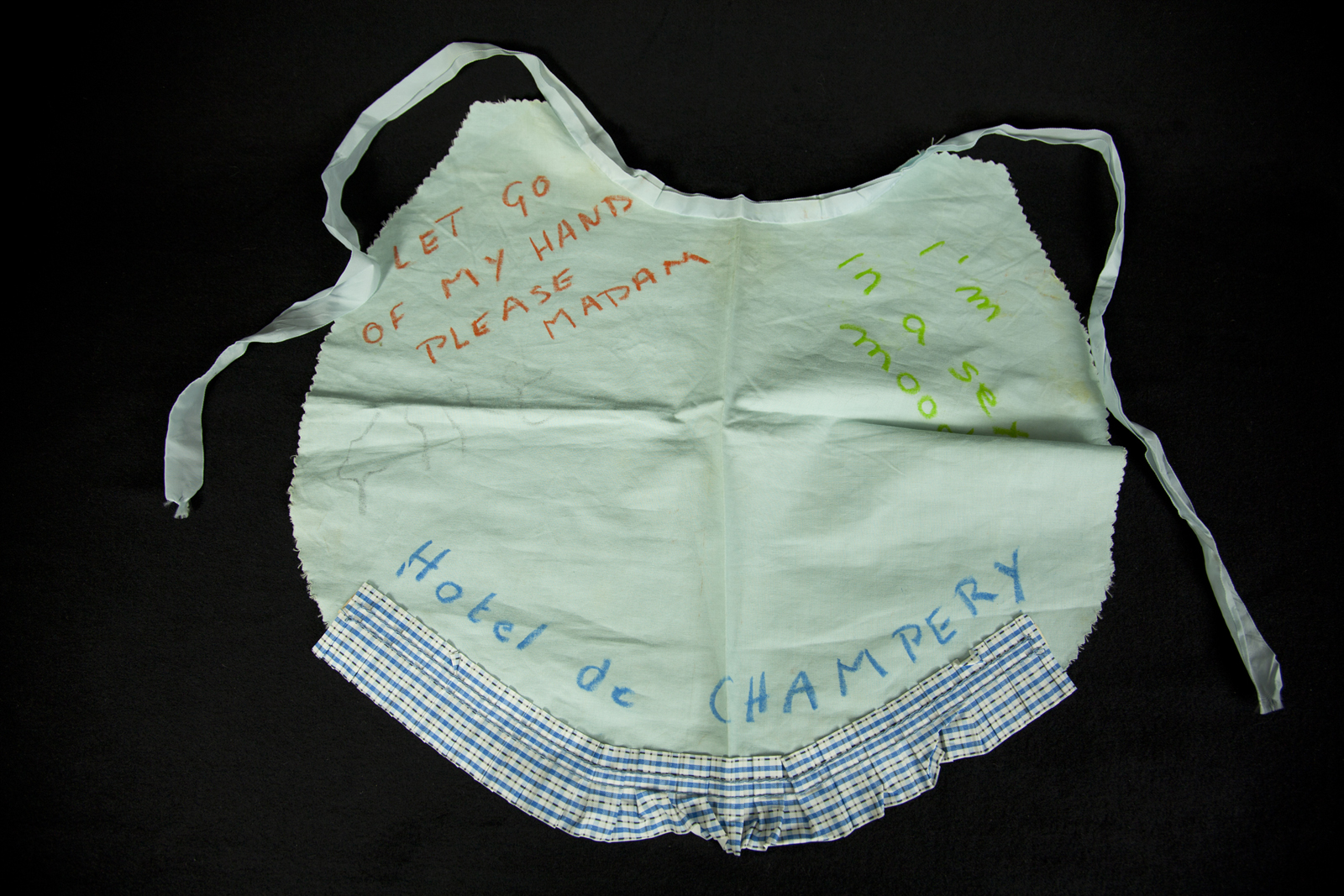
FIG 2. images, photographs of the objects.
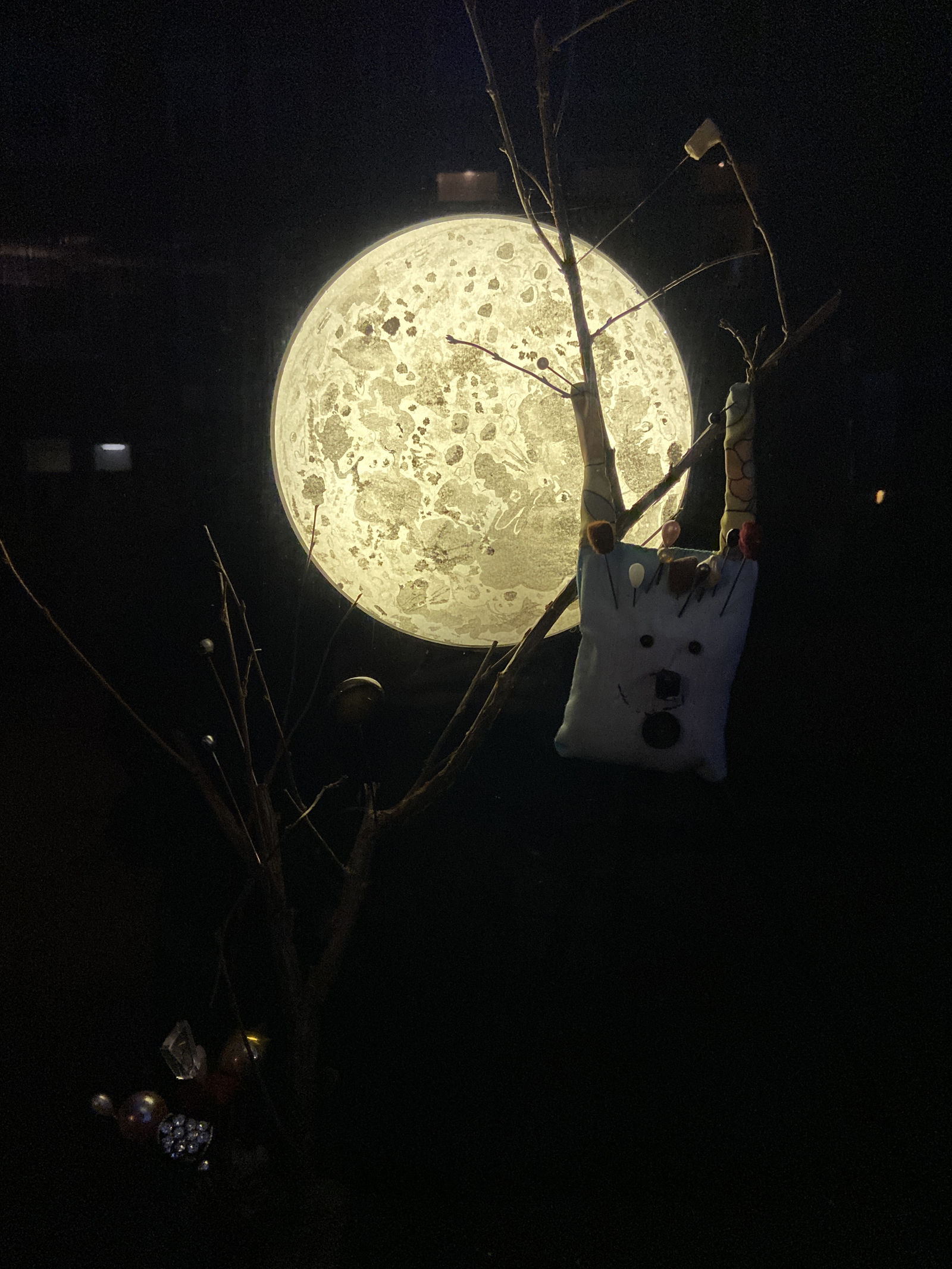
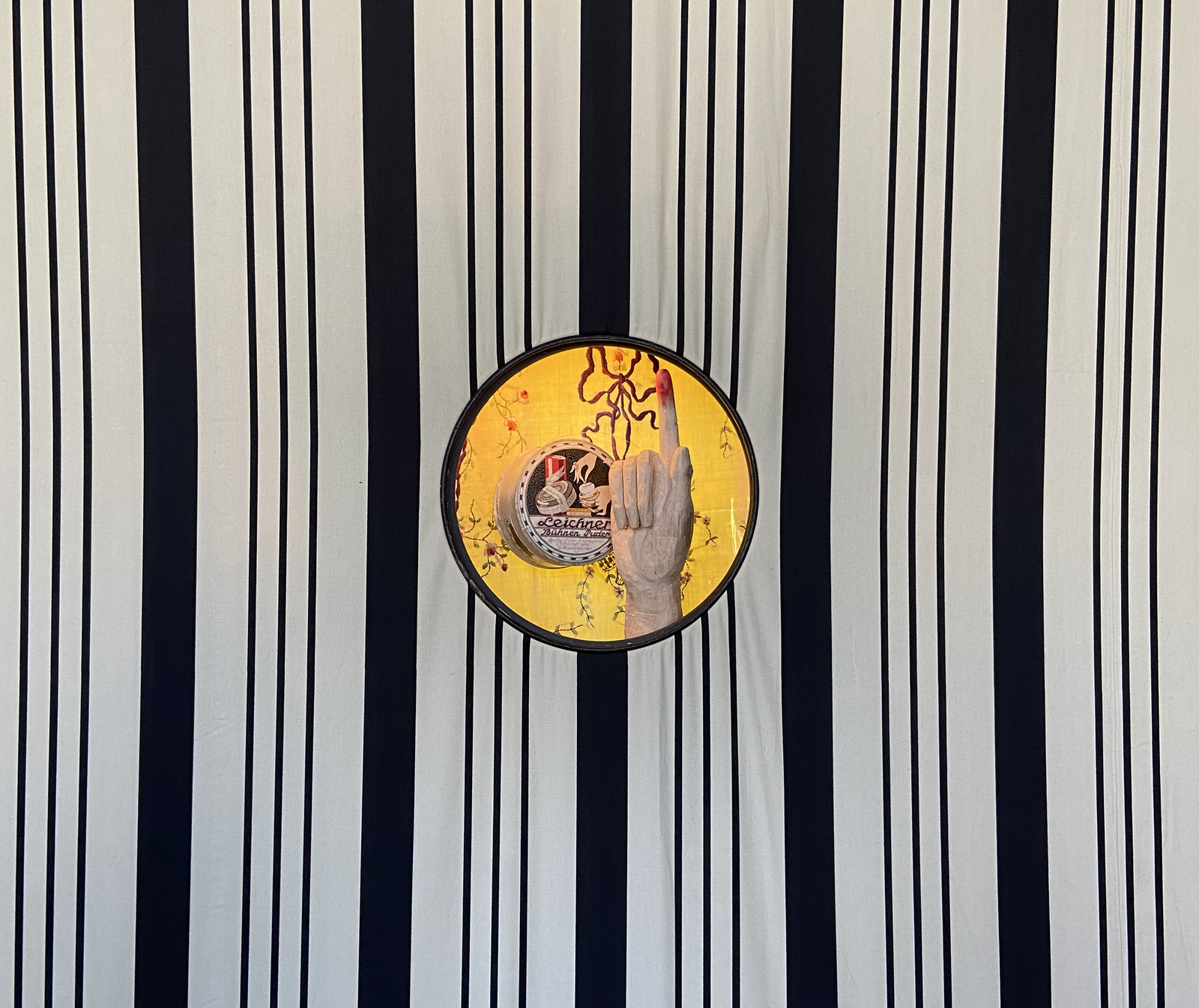
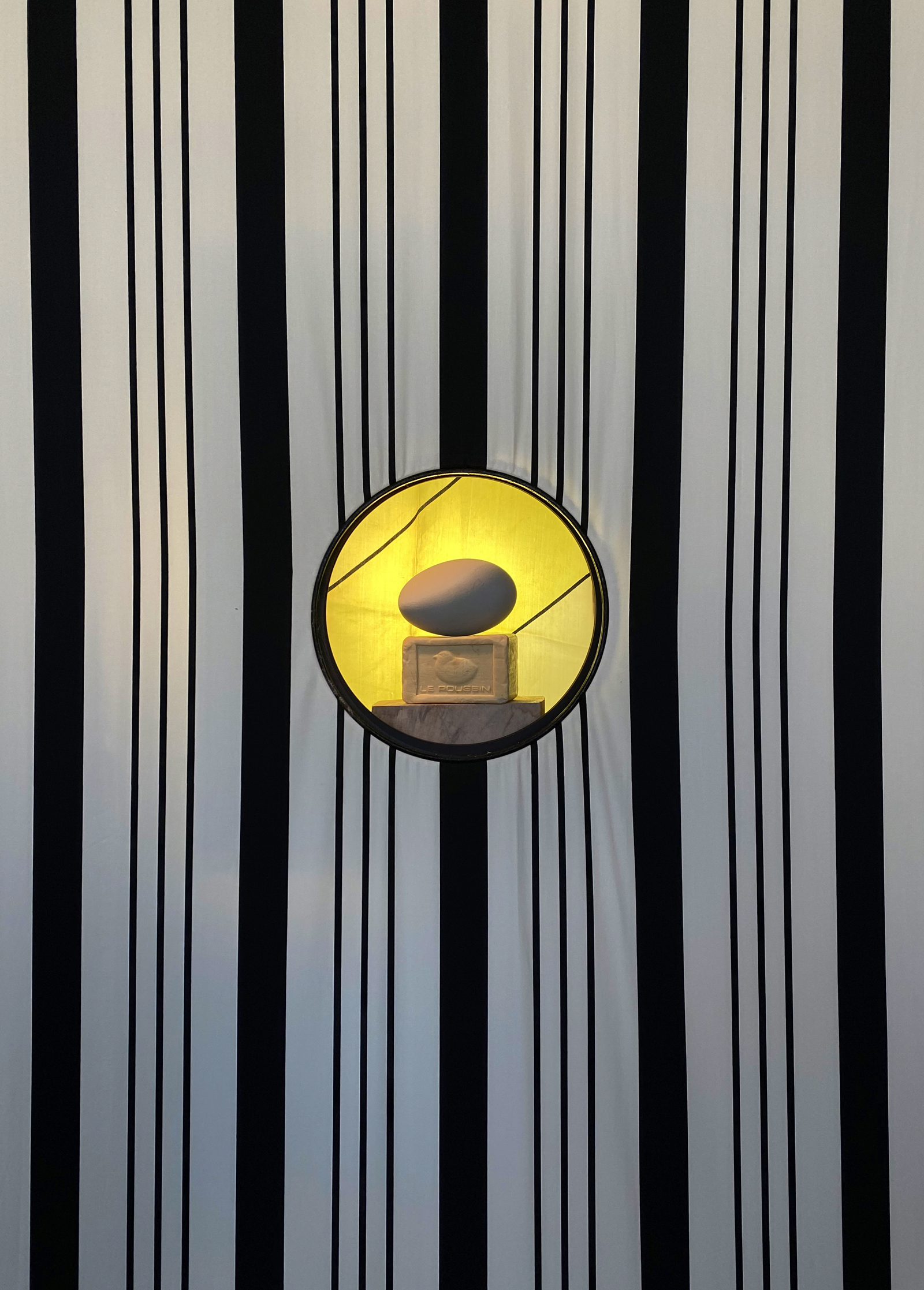
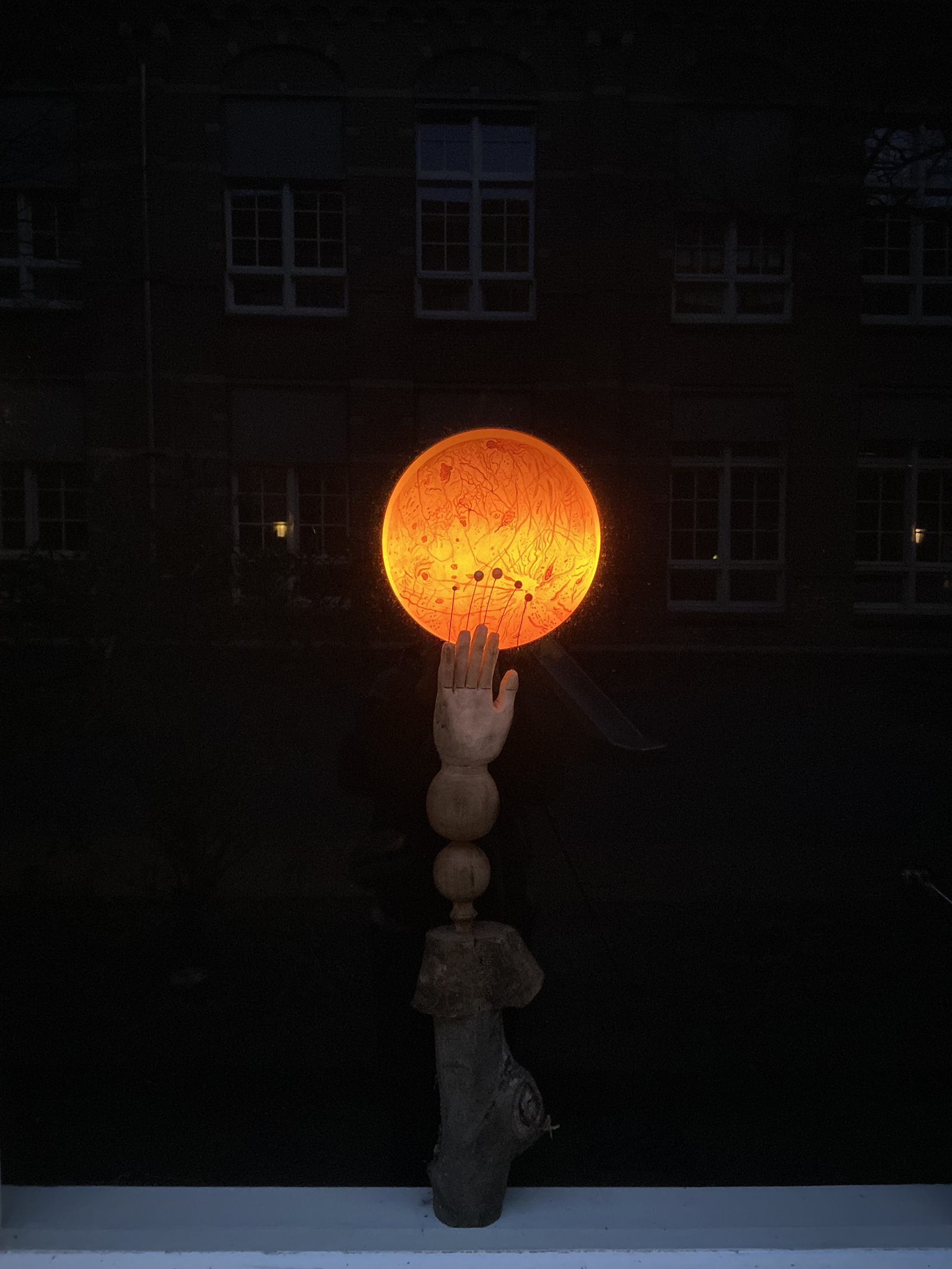
FIG 3. images belong to the work Emporium of Obsolete Things, which was also made with my grandmother's objects. This is a collaboration with Roger Cremers, 2023. 

total installation
Fig. 1.12 Survival of the Faintest
File under: documentation
Doina Kraal, Peter Cox
CBK Dordrecht
medium shot
Fig. 1.18 Survival of the Faintest
File under: documentation
Doina Kraal, Peter Cox
CBK Dordrecht
note with flowers
Fig. 1.3 Surviva of the faintest
File under: documentation
Doina Kraal
CBK Dordrecht
medium shot
Fig. 1.31 Survival of the Faintest
File under: documentation
Doina Kraal, Katarina van Clooster
CBK Dordrecht
small shelf of wood
Fig. 1.23 Survival of the Faintest
File under: documentation
Doina Kraal
CBK Dordrecht
Hand
Fig. 1.8 Survival of the Faintest
File under: documentation
Doina Kraal
CBK Dordrecht
Vase
Fig. 1.22 Survival of the Faintest
File under: documentation
Doina Kraal
CBK Dordrecht
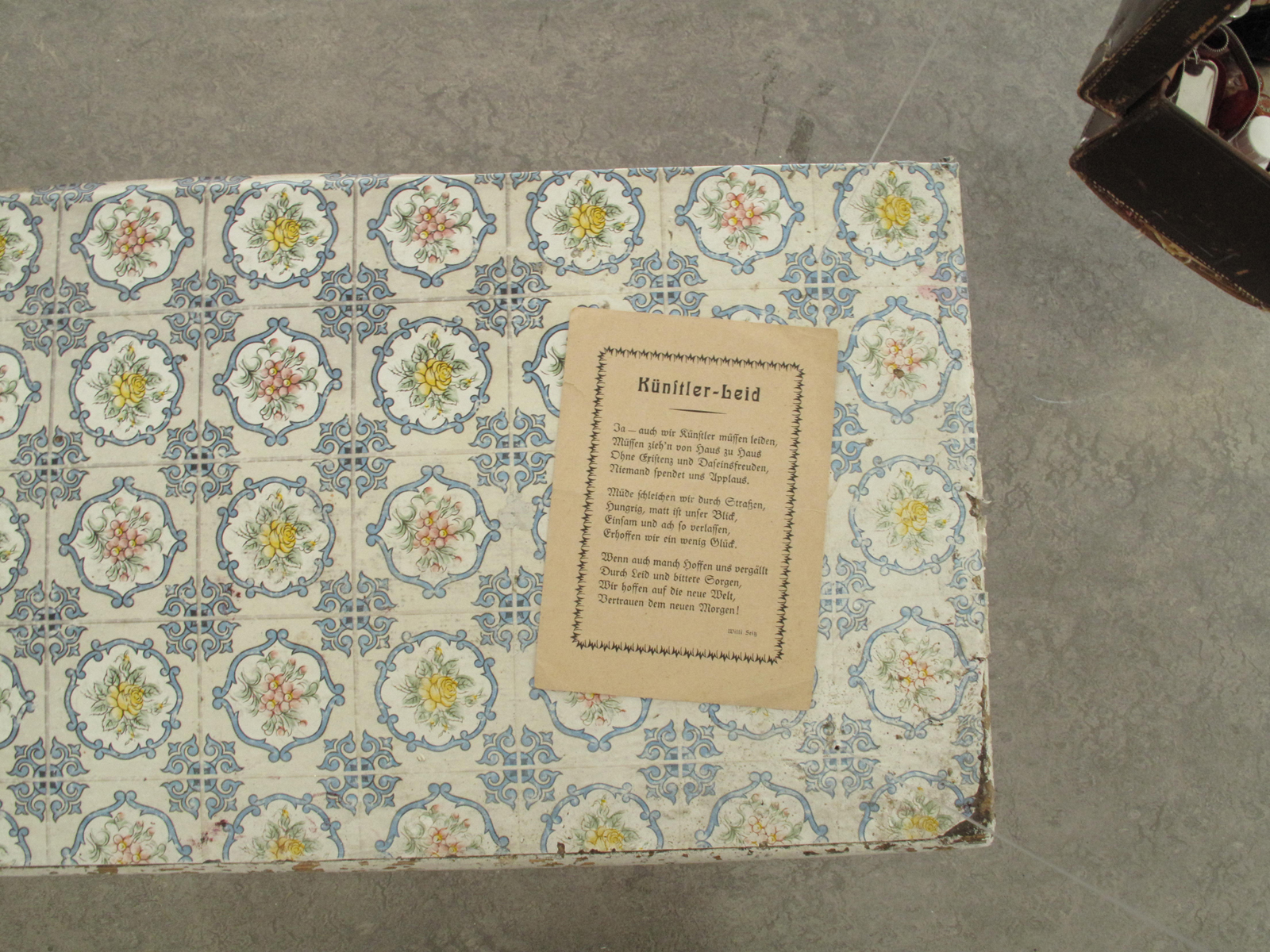
Kuenstlerleid
Fig. 1.26 Survival of the Faintest
File under: documentation
Doina Kraal
CBK Dordrecht
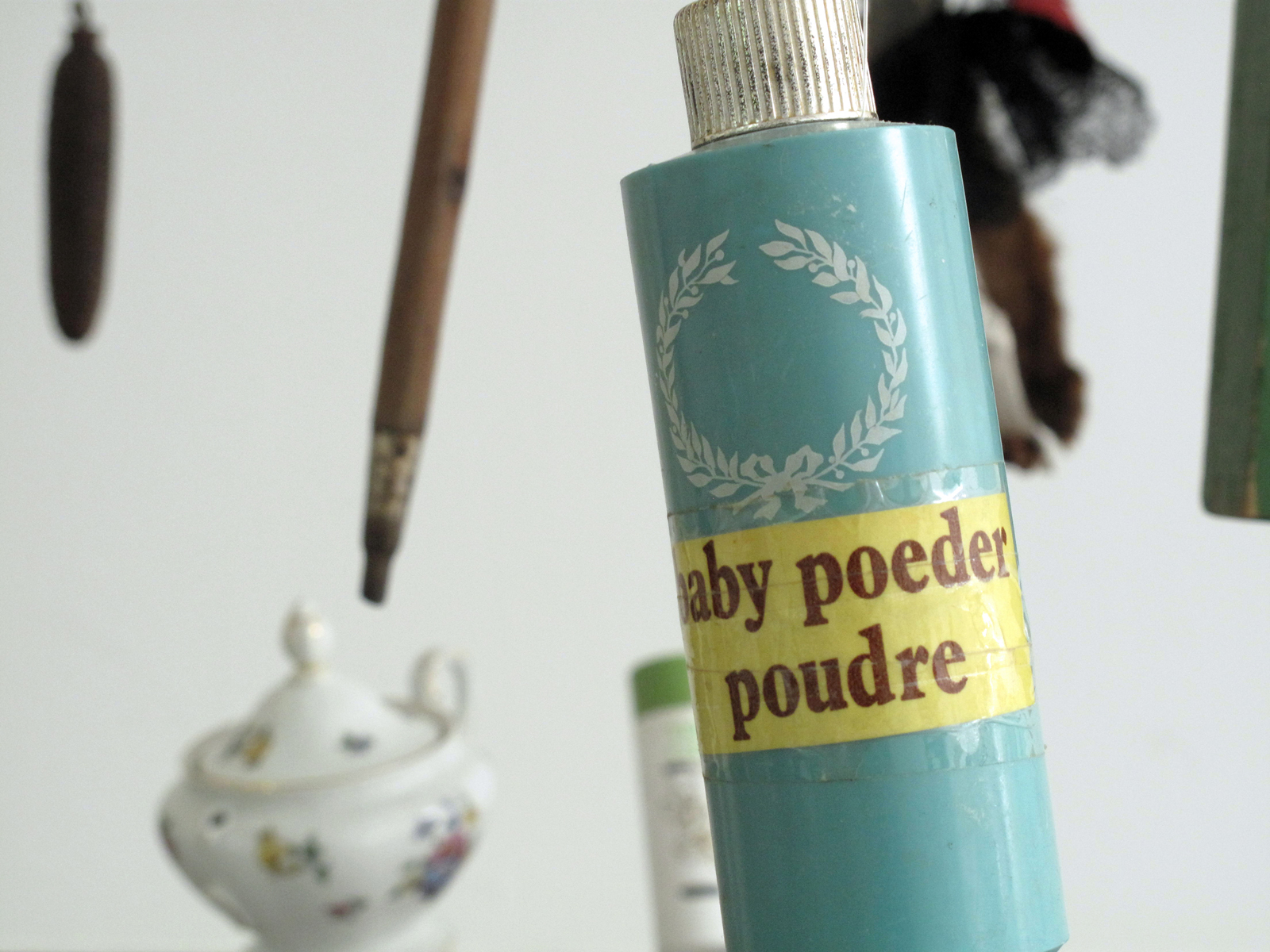
babypowder
Fig. 1.1 Survival of the faintest
File under: documentation
Doina Kraal
CBK Dordrecht
stop
Fig. 2.5 stop
File under: image
Doina Kraal
Amsterdam
headless sailor
Fig. 1.27 Survival of the Faintest
File under: documentation
Doina Kraal
CBK Dordrecht
moon at night
Fig. 3.5 Emporium of Obsolete Things
File under: documentation
Roger Cremers, Doina Kraal
Roggeveenstraat, Amsterdam
Egg
Fig. 2.1 Ei
File under: image
Doina Kraal
Amsterdam
chef's hat
Fig. 1.25 Survival of the Faintest
File under: documentation
Doina Kraal
CBK Dordrecht
hand with lipstick
Fig. 3.8 Emporium of Obsolete Things
File under: work in progress
Roger Cremers, Doina Kraal
Amsterdam
Egg
Fig. 3.1 Emporium of Obsolete Things
File under: documentation
Roger Cremers, Doina Kraal
Van Heemskerckstraat, Amsterdam
parasolletjes
Fig. 1.28 Survival of the Faintest
File under: documentation
Doina Kraal
CBK Dordrecht
kalebas
Fig. 1.24 Survival of the Faintest
File under: documentation
Doina Kraal
CBK Dordrecht
keys
Fig. 1.13 Survival of the Faintest
File under: documentation
Doina Kraal
CBK Dordrecht
Lintjes
Fig. 2.2 Lintjes
File under: documentation
Doina Kraal
Amsterdam
speldenkussen
Fig. 1.20 Survival of the Faintest
File under: documentation
Doina Kraal
CBK Dordrecht
Hair
Fig. 1.7 Survival of the Faintest
File under: documentation
Doina Kraal
CBK Dordrecht
doorbell
Fig. 1.4 survival of the faintest
File under: documentation
Doina Kraal
CBK Dordrecht
flowers
Fig. 1.19 Survival of the Faintest
File under: documentation
Doina Kraal
CBK Dordrecht
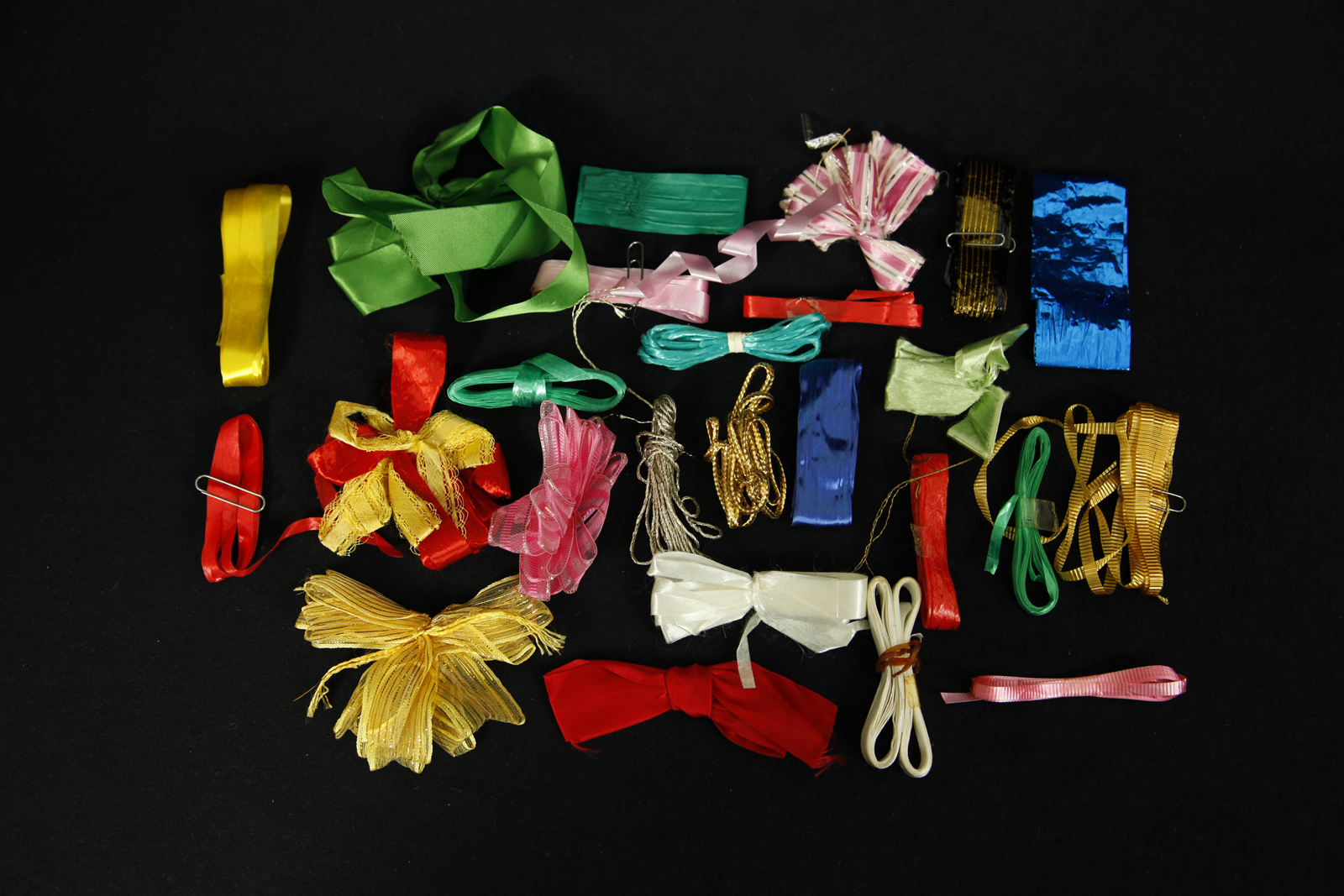
ribbons
Fig. 1.32 Survival of the Faintest
File under: image
Doina Kraal
Amsterdam, The Netherlands
schort
Fig. 2.3 schort
File under: image
Doina Kraal
Amsterdam
belts
Fig. 1.15 Survival of the Faintest
File under: documentation
Doina Kraal
CBK Dordrecht
verstuiver
Fig. 1.14 Survival of the Faintest
File under: documentation
Doina Kraal
CBK Dordrecht
overview Peter Cox
Fig. 1.29 Survival of the Faintest
File under: documentation
Doina Kraal, Peter Cox
CBK Dordrecht
Bernadine Ypma
File under: text
In de Rarekiek & Survival of the Faintest

About the lias, the universal book and art

The meaning of the archive isn’t neutral or objective but becomes uncertain [1] and ambiguous as a result of the interaction with the person accessing it. No wonder that the concept of the archive is a well-appreciated source of inspiration for many contemporary artists. They create new archives, for instance, use archives as sources of material and ideas. Others employ archival methods to record their oeuvre. Artists also work with the idea of the archive: the physical form is used as a theme, as well as the act of archiving by categorising or structuring objects. The popular image of the archive is a place with rows and rows of unique and historical documents and objects kept in a quiet and dim lit basement. Within this notion the act of archiving exists of preserving, categorizing and labelling. The actual archive and the act of archiving, however, are faced towards the future. Scholar Hugh Taylor explains that archival material is a record of an action that produces a response when seen or read. As a result the archive is an extension of ourselves. The archive is an instru- ment for the conduct of affairs or relationships, as are artefacts. [2]

In several previous works Kraal uses the archive and collections of her grandparents as a source and a starting point for new creations such as Survival of the faintest (2009) and Tussen door stop (2009). In Survival of the faintest Kraal made use of the extensive collection of old objects that was hidden away in the cupboards of her grandmother’s house. Browsing through the objects, photographs and letters, Kraal searches for new stories that can enrich the objects with multiple interpretations. The objects were used and reused for different purposes and labelled with ideas for new ways to deploy them after some particular alterations. The last traces of the original utility eroded when Kraal attached strings to a selection of the objects in order to hang the collection free in space.

This way of presenting or arranging objects is related to an old form of archiving, the ‘lias’. This manner of binding together was used by city administrations in Europe. The word ‘file’ is related to the French ‘fil’, which means thread. Filing meant in its original meaning stringing up objects and documents. [3] Kraal arranged the collection in a three-dimensional order. Art scholar Sven Spieker has written on the subject of using archival methods by artists as part of their work. He calls the use of this method of stringing up objects in order to arrange them ‘to tame the archive’. The archival structure imposes meaning on the individual objects. For Survival of the faintest Kraal uses the collection as a source of material and chooses the faintest and most unusable objects to rearrange the objects by the manner in which the individual objects are placed within the group. With this archival method the meaning of the individual object devaluates while the object within the group obtains an eternal status. [4]

For Tussen door stop Kraal made use of the family photo collection of her grandparents. The photographs show family outings and vacations of long ago. Kraal again opts for the objects that were less successful, photographs in which passers-by are accidently caught on camera for example. By focusing on unintended details Kraal uses the archive to discover and re-discover events that have been forgotten or were never noticed.

Collections and the web as a representation of the world

The more recent installation In the Wonderbox (In de Rarekiek) developed by Doina Kraal in 2011–2012, shows similarities with historical private collections such as cabinets of curiosities (‘rariteiten- kabinet’ in Dutch). These collections were formed by private collectors and existed of objects that were meant for study or wonder. While thematic collections are popular in our time, encyclopaedic collections were much favoured during the sixteenth and seventeenth century. The ambition of the private collectors was to gather items of all sorts of specimens to stimulate the curiosity of the spectators. By studying the objects one could acquire a broad range of knowledge. In the eighteenth century, specialised collections of art, literature or science were in fashion, and the cabinet of curiosities became less relevant. By the nineteenth century, the collections were accommodated in national museums and categorised according to the then current scientific insights. [5] As classifications and categorisation methods advanced, a universal language for categorising library collections was developed at the beginning of the twentieth century, by Paul Otlet and Henri La Fontaine. By publishing the book Traité de Documentation in 1934, Paul Otlet presented new and exciting technologies of gathering and  sharing knowledge. Otlet's big ambition was to create a universal book by gathering all the knowledge present in the world. This knowledge should be transferred combined with keywords onto small index cards that could be browsed by a specially designed machinery. Otlet envisioned that the machine, combined with a telescope and a telephone line, should be able to project the desired information onto a projection screen. His ideas bear a striking resemblance with the current information technologies and Internet. The objects in the sixteenth century cabinets of curiosity were labelled according to the categories of naturalia, artificialia, antiquities or exotica. The curiosities are an agglomeration of different objects without a predominant hierarchy. The sixteenth-century collector expected that it was possible to create a comprehensive and complete collection. If In the Wonderbox was a sixteenth- century cabinet, the number of objects would grow up to a point of completion. Instead Kraal refuses to categorise the objects and changes the selection of objects over time. In Kraal’s latest work Touche-à-Tout the selection of objects on display will be altered during her travels.

The act of archiving and ambiguous categories

The sixteenth-century cabinets, the nineteenth-century museum and the twentieth-century libraries are ways of sharing knowledge about the world. Collections of physical objects and books enabled people to gather information about the world around them. In recent times, we are able to travel the world physically, but more important, we have access to vast amounts of information created all over the world through Internet. Physical objects devaluate and are replaced by digital copies. The web is an expanding virtual world of information in which categorising and imposing structures are personal acts of the user. Kraal states that her latest work resembles the Internet as a combination of fact and fiction, information and entertainment. But the major resemblance with the Internet is that Kraal in her latest works refuses to conform to the existing categories of collection or archive. The installations as a whole are invariably adaptable works in progress. Kraal researches the very notions of archiving and categorising. Existing categories fade and meaning becomes interchangeable. This way, the fluidity of the objects’ meaning becomes apparent.

NOTES

1.  Ketelaar, Eric, Tacit Narratives: The Meanings of Archives [https://fketelaa.home.xs4all.nl/TacitNarratives.pdf]

2.  Taylor, Hugh, “Heritage” revisited: Documents as Artifacts in the Context of Museums and Material Culture, in: Archivaria, nummer 40, 1995. p.9

3.  Spieker, Sven, The Big Archive: Art from Bureaucracy, MIT Press, 2008

4.  Website www.doinakraal.com: ‘Things are one another’s sisters, brothers or distant cousins; they improve each other or weaken the other. They look alike in shape or function or they need each other and are complementary. Thus my de-evolution of things came into being. The winners, the survivors, were the weakest, the most useless, the faintest. They obtained the absolute eternal status.’ Visited november 2014.

5.  Rijnders, Mieke. Kabinetten, galerijen en musea, red. Bergvelt, Leonoor e.a., 2005


BERNADINE YPMA

Bernadine Ypma MA studied history of art and archival science at the University of Amsterdam. Ypma was editor in chief of the journal Archievenblad of the Royal Society of Dutch Archivists. She combines creative craftsmanship as a goldsmith with strategic thinking as an advisor and interim director of cultural and heritage organizations.
Eierwarmer
Fig. 1.5 Survival of the Faintest
File under: documentation
Doina Kraal
CBK Dordrecht
hand daytime
Fig. 3.6 Emporium of Obsolete Things
File under: documentation
Roger Cremers, Doina Kraal, Frans van Tartwijk
Roggeveenstraat, Amsterdam
Chanel bottle
Fig. 1.3 Survival of the faintest
File under: documentation
Doina Kraal
CBK Dordrecht
green medicin
Fig. 1.8 Survival of the Faintest
File under: documentation
Doina Kraal
CBK Dordrecht
Angel
Fig. 1.6 Survival of the Faintest
File under: documentation
Doina Kraal
CBK Dordrecht
Roger Cremers, Doina Kraal, Frans van Tartwijk
File under: text
Emporium of Obsolete Things

Emporium of Obsolete Things

Emporium of Obsolete Things by Roger Cremers and Doina Kraal
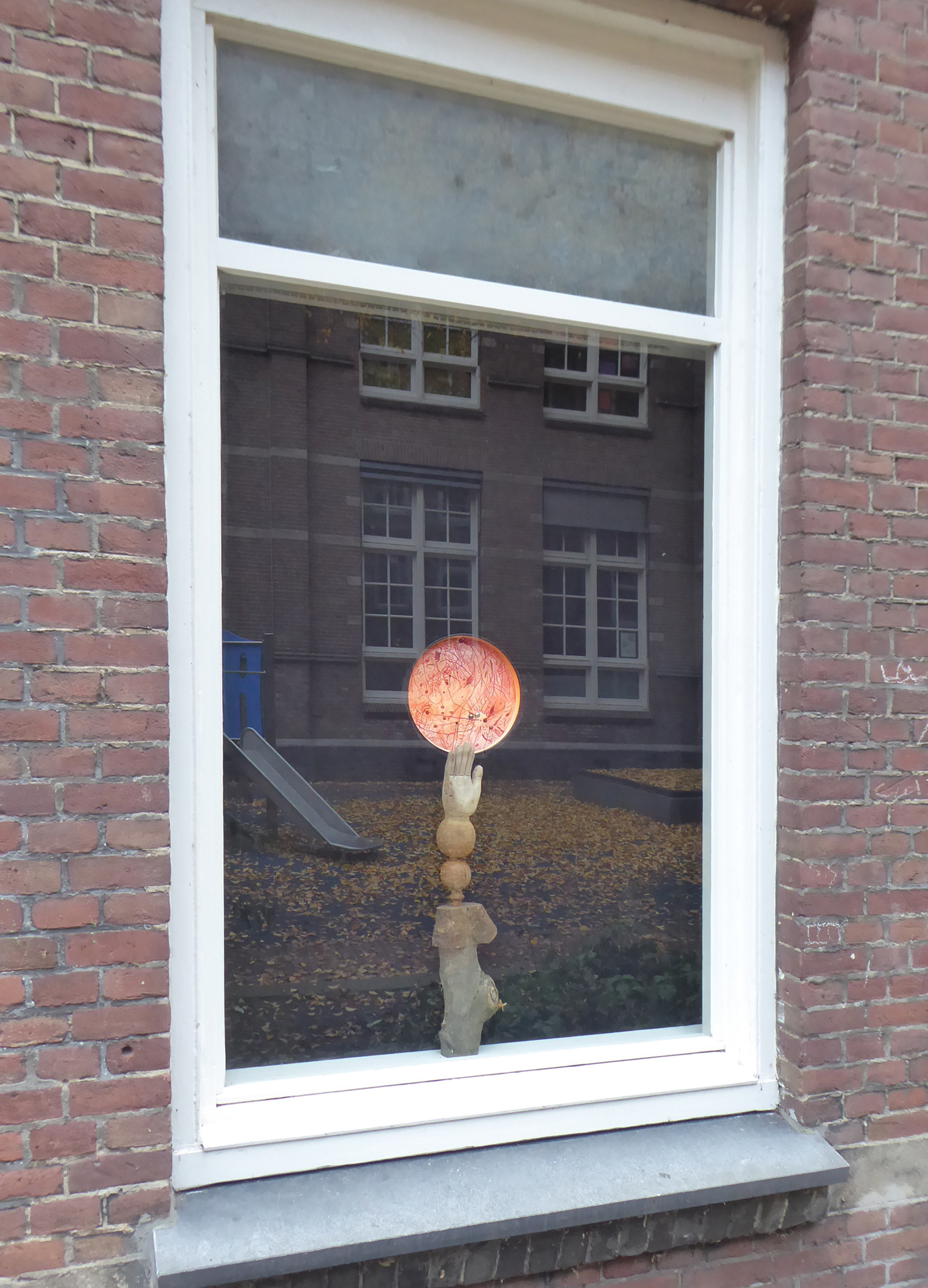
Kunsttrajectetalages - six windows in the Zeeheldenbuurt, Amsterdam

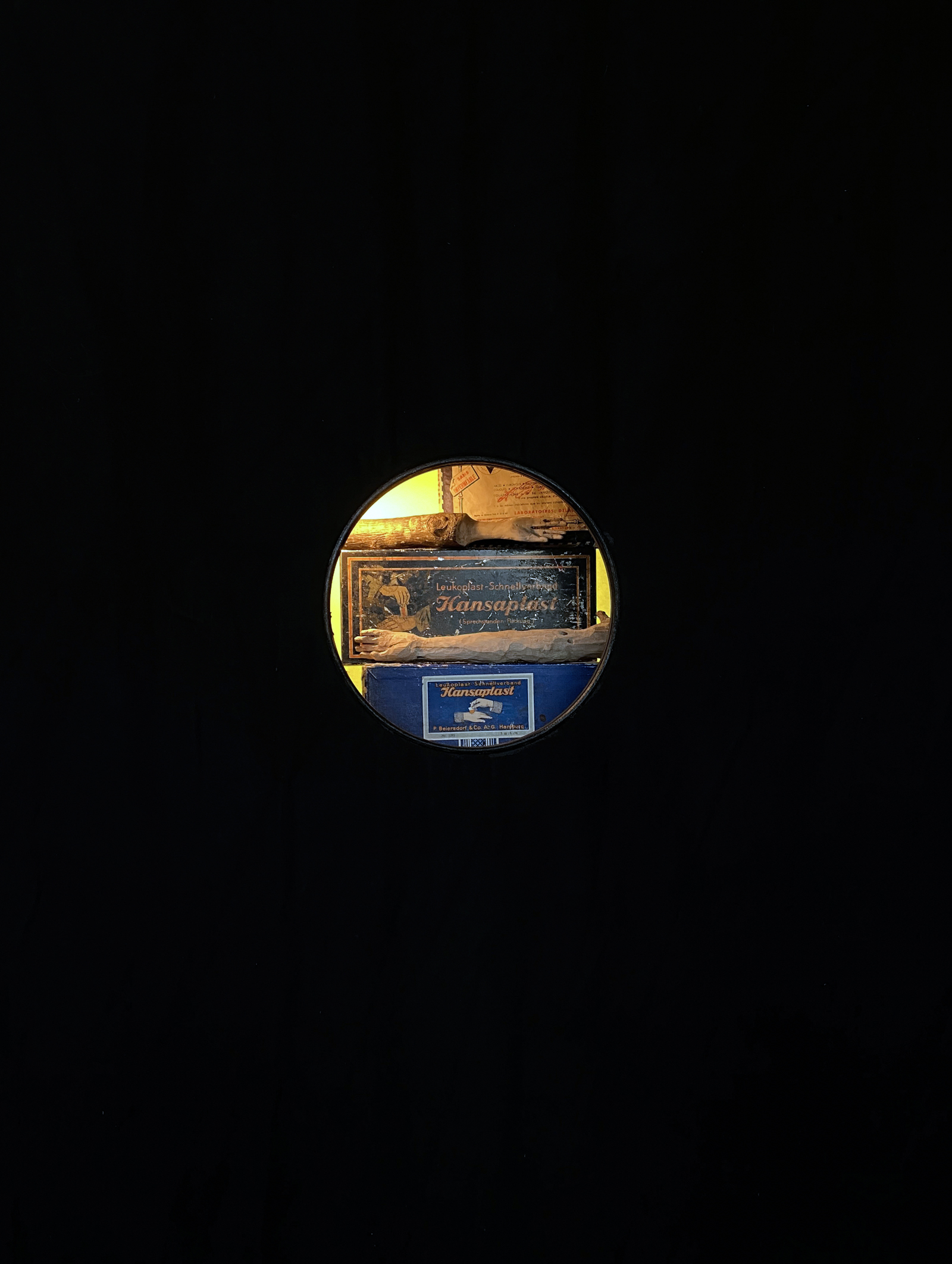
Artists Roger Cremers and Doina Kraal share a fascination for objects with a history. For their exhibition in the Zeeheldenbuurt, they made a selection from the items that Oma Lola, Kraal's grandmother, left her in 2009. The Thingworld that Lola surrounded herself with consisted for a great part of objects any other person wouldn’t find worth keeping: forgotten toys, dried make-up, broken china, or torn pieces of cloth. Recycling was her favourite activity. She enjoyed emphasizing the handiness, the value, but certainly also the beauty of these objects and she invented new purposes for many of them. After Lola died, Doina decided to keep the very objects that someone else would throw away. Those things had to survive.

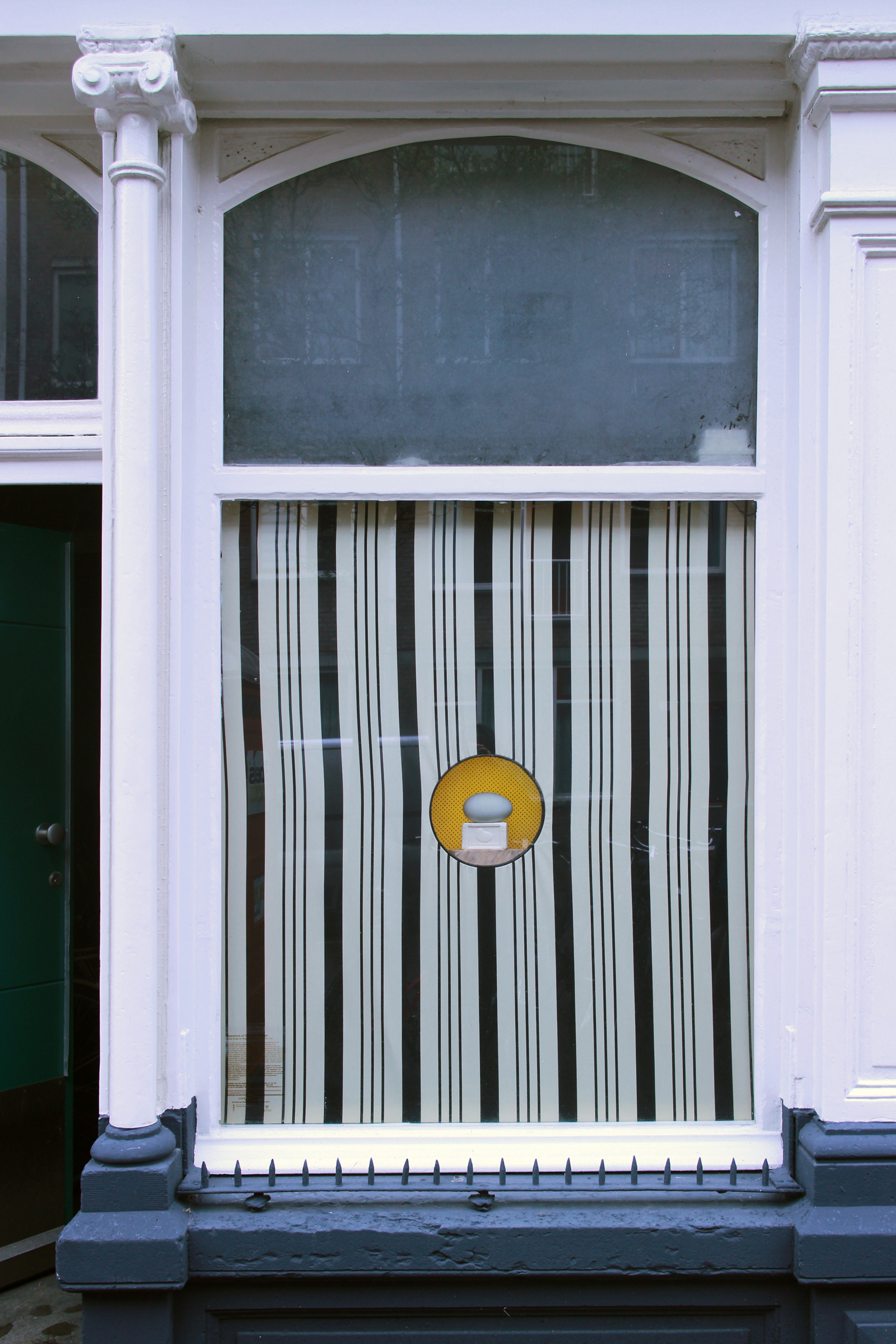
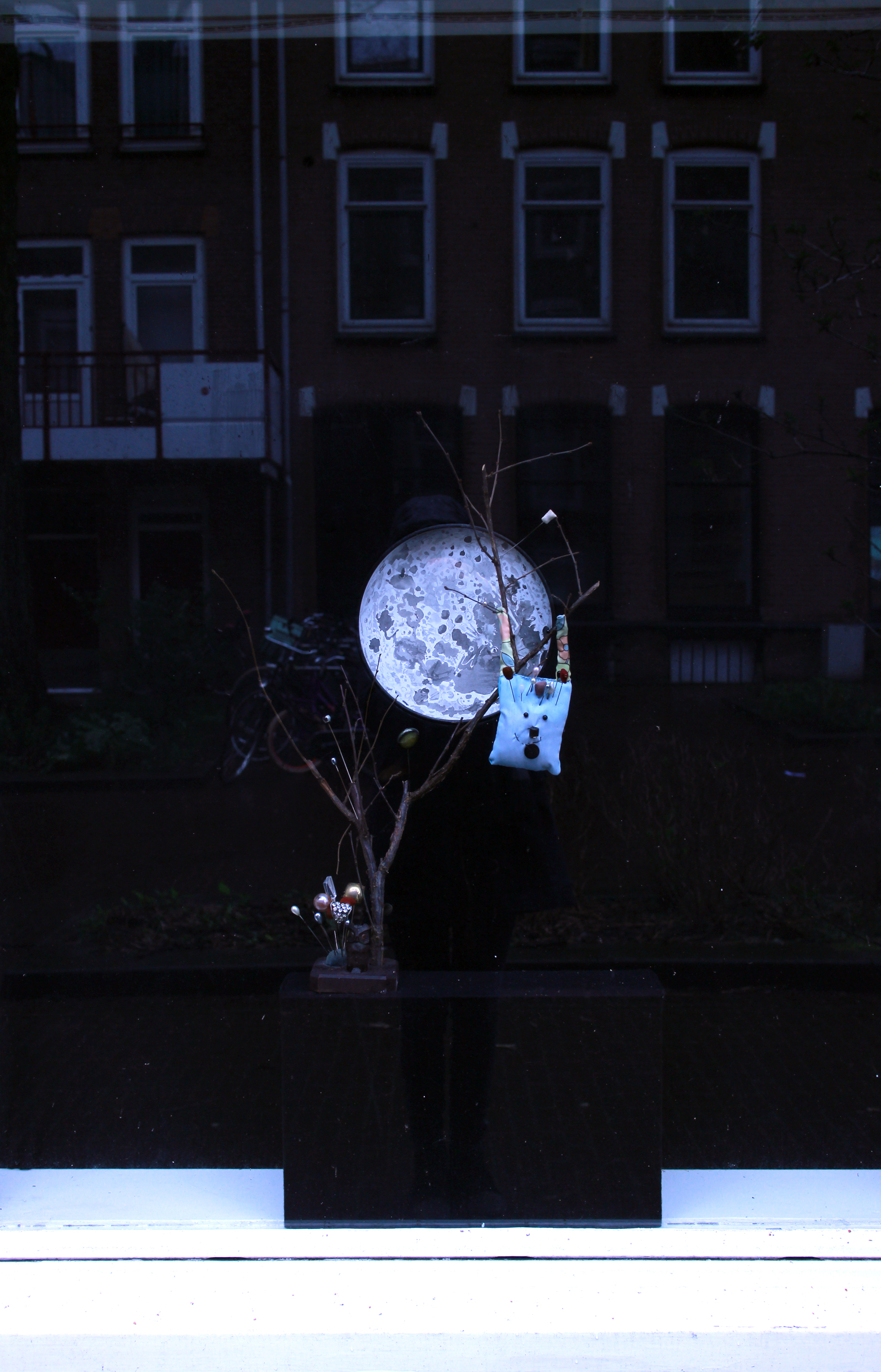
In their work Emporium of Obsolete Things, Cremers and Kraal have given a selection of the preserved objects a new life. The artists have created vistas, behind which the objects are displayed as mysterious treasures. They no longer have a function, but they do tell a story. By adding objects or making certain combinations of things, new situations arise and thus new meanings come into being.
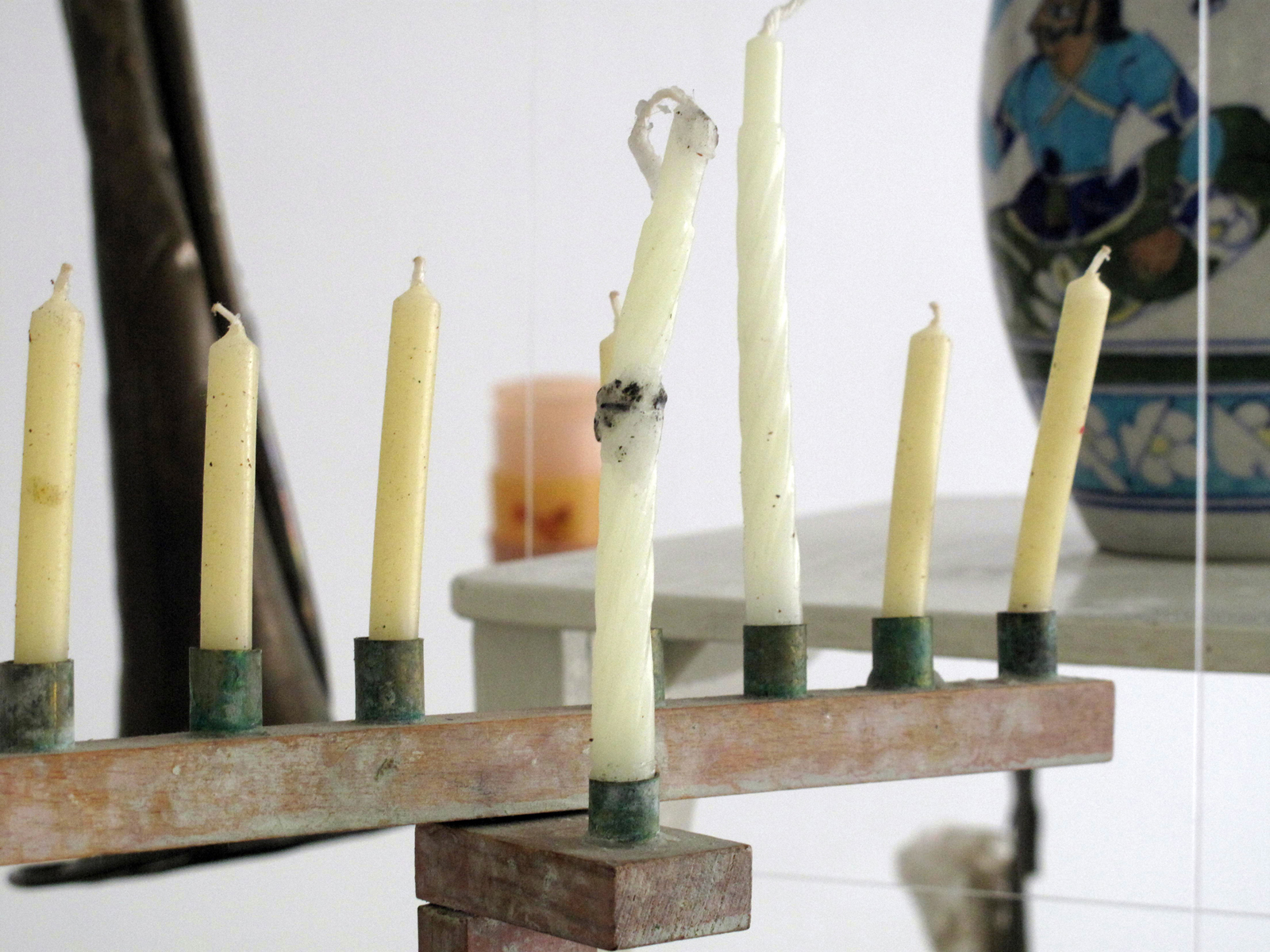
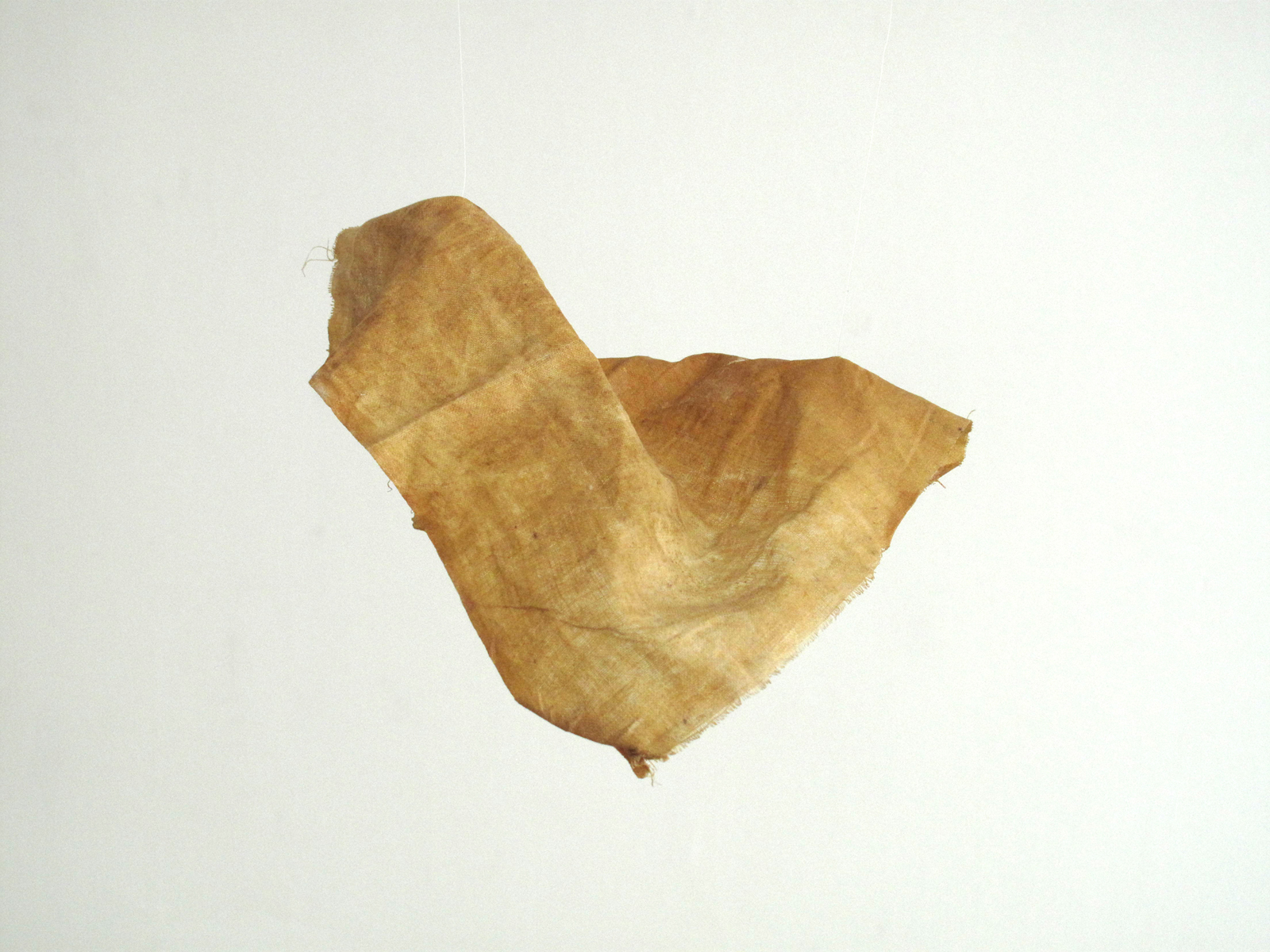
FIG 3. images are part of Emporium of Obsolete Things

hand
Fig. 3.4 Emporium of Obsolete Things
File under: documentation
Roger Cremers, Doina Kraal
Roggeveenstraat, Amsterdam
music box
Fig. 1.33 Survival of the Faintest
File under: image
Doina Kraal
Amsterdam, The Netherlands
Hoedje
Fig. 1.9 Survival of faintest
File under: documentation
Doina Kraal
CBK Dordrecht
menora
Fig. 1.10 Survival of the Faintest
File under: documentation
Doina Kraal
CBK Dordrecht
Doekje
Fig. 1.11 Survival of the Faintest
File under: documentation
Doina Kraal
CBK Dordrecht
sponge
Fig. 1.21 Survival of the Faintest
File under: documentation
Doina Kraal
CBK Dordrecht
Hansaplast
Fig. 3.7 Emporium of Obsolete Things
File under: work in progress
Roger Cremers, Doina Kraal
Amsterdam
window
Fig. 3.3 Emporium of Obsolete Things
File under: documentation
Roger Cremers, Doina Kraal
Van Heemskerckstraat, Amsterdam
Moon
Fig. 3.2 Emporium of Obsolete Things
File under: documentation
Roger Cremers, Doina Kraal
Roggeveenstraat, Amsterdam
ribbons
Fig. 2.4 lintjes
File under: image
Doina Kraal
Amsterdam